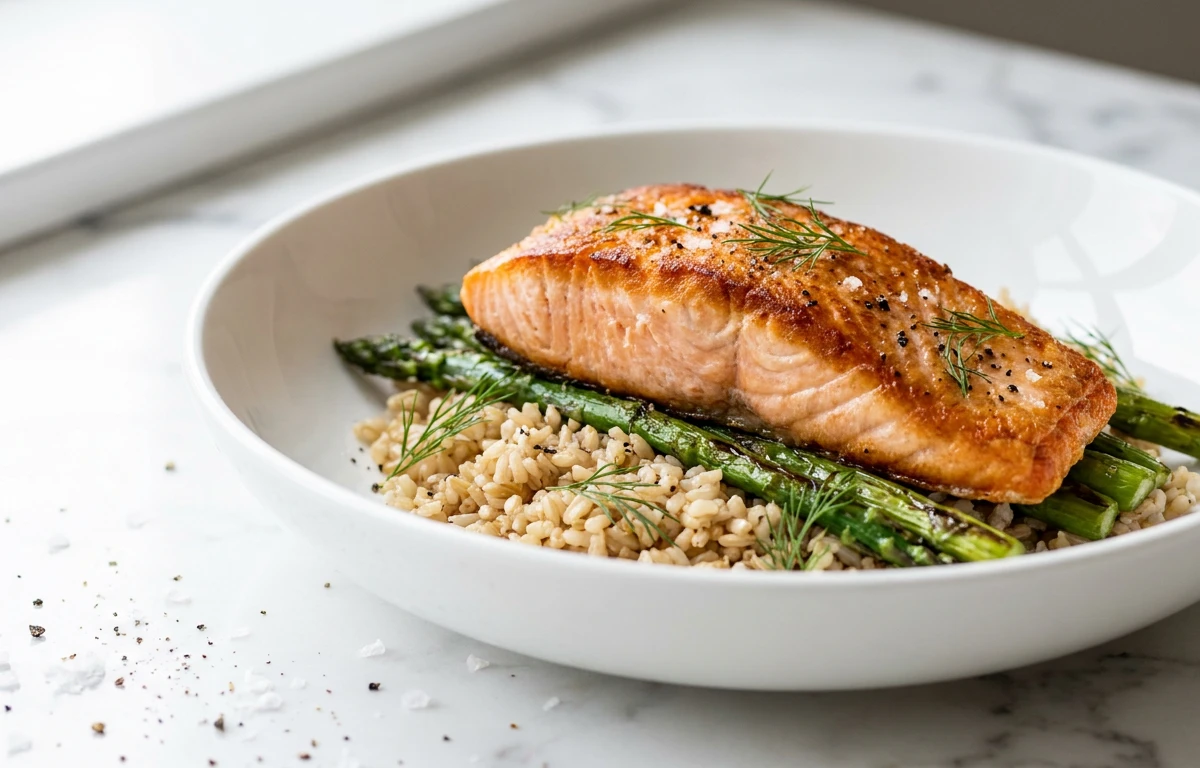
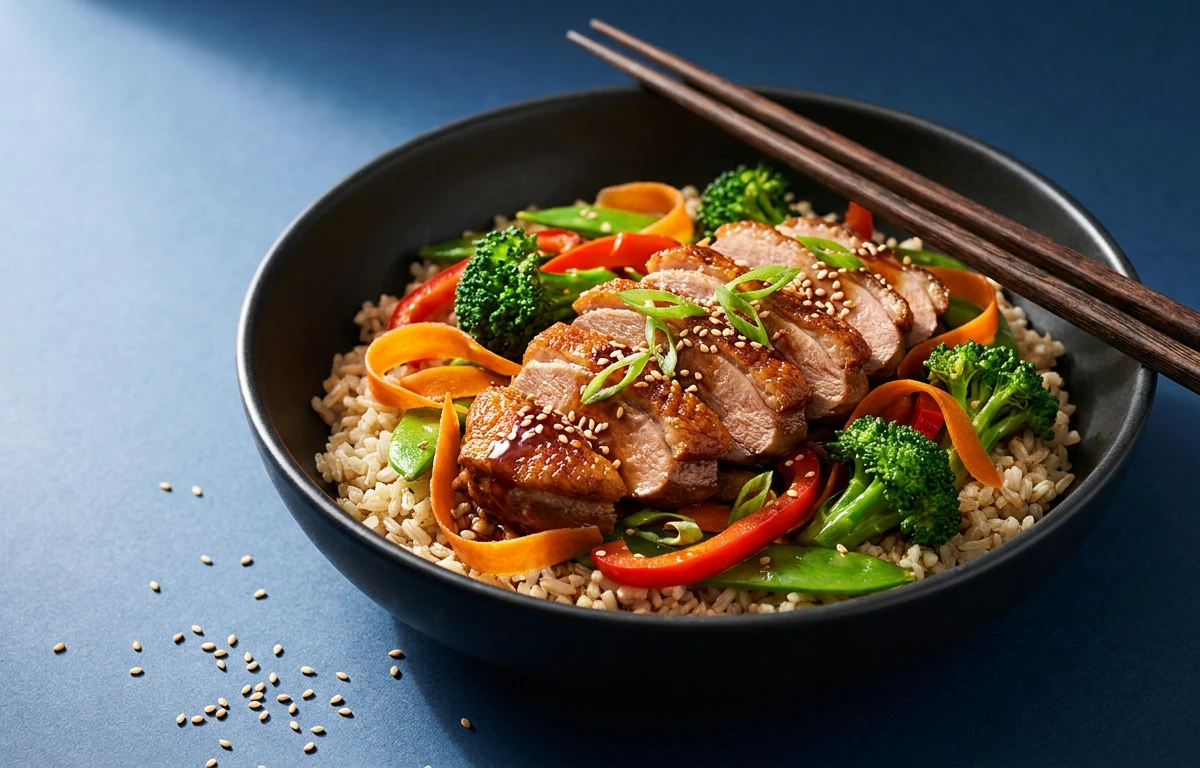
Grain10 recipes
brown rice.
VegetarianVeganGluten-freeDairy-freeNut-freePeanut-freeSoy-freeEgg-freeShellfish-freeHoney-freeAlcohol-freeWhole grain
ALSO KNOWN AS
raw brown ricewhole grain riceunpolished ricecooked whole grain ricecooked unpolished ricecooked cargo rice
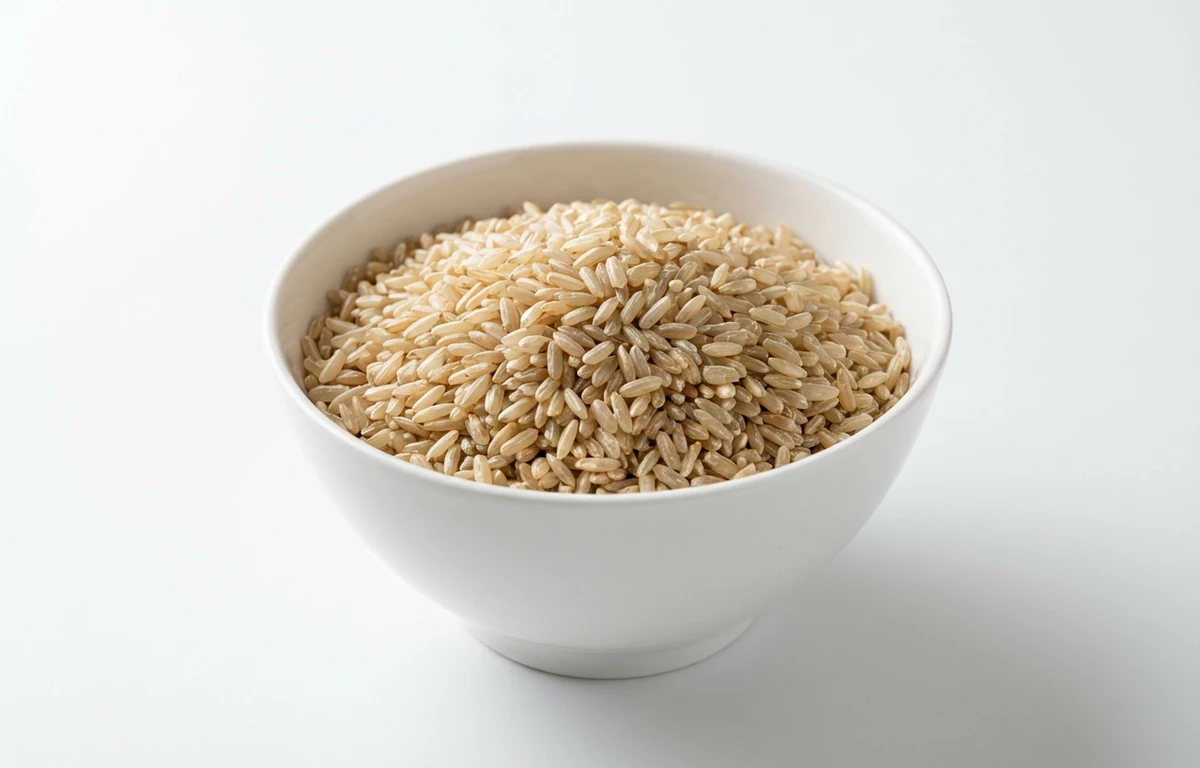
SERVING
CALORIES
362
PROTEIN
7.3g
CARBS
76.2g
FAT
2.6g
FIBER
3.4g
NUTRITION PROFILE · per 100 g
Everything in this ingredient.
MACRONUTRIENTS
Calories362kcal—
Protein7.3g15%
Carbohydrates76.2g28%
Fiber3.4g12%
Sugar0.20g0%
Total fat2.6g3%
Saturated fat0.50g3%
Trans fat0g—
Cholesterol0mg0%
Water11.6g—
MINERALS
Sodium7.0mg0%
Potassium223mg5%
Calcium10mg1%
Iron0.80mg4%
Magnesium215mg51%
Phosphorus575mg46%
Zinc3.9mg36%
Copper0.56mg62%
Manganese5.3mg230%
Selenium31.6µg58%
VITAMINS
Vitamin A0µg0%
Vitamin C0mg0%
Vitamin D0µg0%
Vitamin E1.1mg7%
Vitamin K1.0µg1%
Thiamin (B1)1.0mg83%
Riboflavin (B2)0.18mg14%
Niacin (B3)12mg75%
Pantothenic acid (B5)2.0mg39%
Vitamin B60.88mg52%
Folate (B9)42.5µg11%
Vitamin B120µg0%
%DV based on a 2,000 cal diet. Source: USDA FoodData Central. A dash in the %DV column means there’s no established Daily Value for that nutrient.
MEASUREMENT CONVERSIONS
How much is what.
1 cup185g
1 tablespoon11.6g
1 teaspoon3.9g
1 ml0.8g
1 liter770.8g
HEALTH BENEFITS
Why eat it.
- ✓Rich in dietary fiber, which aids digestion, promotes satiety, and helps maintain bowel health.
- ✓Contains essential minerals like manganese, selenium, and magnesium, which support bone health, antioxidant function, and energy production.
- ✓Has a lower glycemic index compared to white rice, leading to a slower rise in blood sugar levels.
- ✓May help lower cholesterol and reduce the risk of heart disease due to the natural oils and fiber in the bran and germ.
COOKING TIPS
In the kitchen.
- 1Always rinse brown rice under cold water before cooking to remove excess surface starch, which helps prevent clumping.
- 2Use a ratio of 1 part rice to 2-2.5 parts water or broth. Bring to a boil, then reduce heat to a low simmer, cover, and cook for 40-50 minutes.
- 3After cooking, let the rice rest, covered and off the heat, for at least 10 minutes before fluffing with a fork. This allows steam to distribute evenly for a better texture.
- 4Soaking brown rice for 30 minutes to an hour before cooking can help soften the grain and reduce cooking time.
STORAGE
Keep it fresh.
- Store uncooked brown rice in an airtight container in a cool, dark pantry for up to 6 months.
- For longer-term storage (up to a year), place the airtight container in the refrigerator or freezer to prevent the oils in the bran from going rancid.
FAQ
Frequently asked questions.
Is brown rice healthy?
Yes, brown rice is a highly nutritious whole grain that retains its bran and germ layers. It is rich in dietary fiber for digestion and contains essential minerals like manganese and magnesium, which support bone health and energy production.
How many calories and carbs are in brown rice?
100g of dry brown rice contains approximately 362 calories and 76.2g of carbohydrates. It also provides about 7.3g of protein and 2.6g of healthy fats, making it a dense source of energy.
Is brown rice good for weight loss?
Yes, brown rice can aid weight loss because its high fiber content promotes satiety, helping you feel full for longer. Its lower glycemic index also helps prevent the rapid blood sugar spikes that can lead to increased hunger.
Is brown rice gluten-free?
Yes, brown rice is naturally gluten-free. It is an excellent and safe grain choice for individuals with celiac disease or those following a gluten-restricted diet.
Is brown rice keto-friendly?
No, brown rice is not considered keto-friendly. With over 76g of carbohydrates per 100g, it is too high in carbs for a standard ketogenic diet, which typically limits daily carb intake to under 50g.
How do you cook brown rice?
The standard ratio is 2 cups of water for every 1 cup of rice. Bring the water to a boil, add the rice, then cover and simmer on low heat for 40 to 50 minutes until the water is fully absorbed and the grains are tender.
What does brown rice taste like?
Brown rice has a distinct nutty flavor and a chewier, firmer texture than white rice. This is because the fibrous bran layer and nutrient-rich germ are left intact during processing.
Do I need to soak brown rice before cooking?
Soaking is not required, but it is recommended. Soaking the rice for 30 minutes to 2 hours can help soften the outer bran layer, resulting in a fluffier texture and slightly shorter cooking time.
How long does brown rice last?
Dry brown rice lasts about 6 months in a pantry, or up to a year if stored in the refrigerator or freezer. Once cooked, it should be stored in an airtight container in the fridge and consumed within 4 to 6 days.
Can diabetics eat brown rice?
Yes, brown rice is generally a better option for diabetics than white rice. Its fiber content results in a lower glycemic index, which leads to a slower and more controlled rise in blood sugar levels after a meal.
RECIPES
Cook with brown rice.
10 recipes · sorted by what’s quick