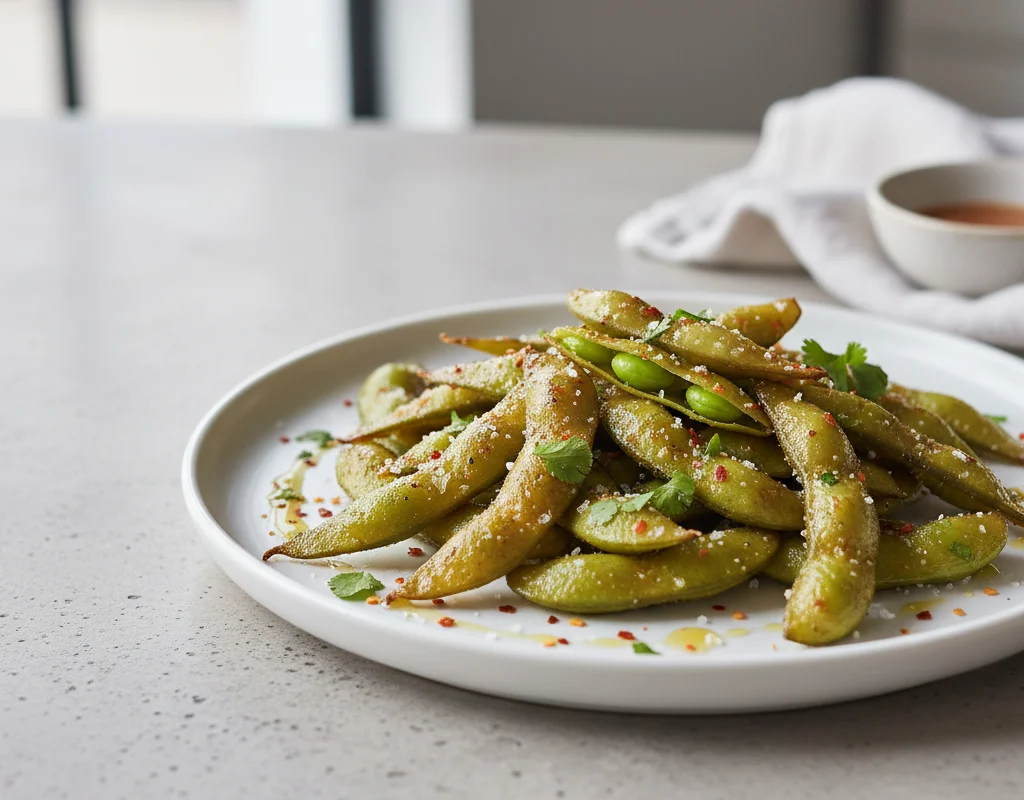
Vegetable Brown Rice Pilaf
Nutty brown rice cooked with a colorful medley of diced vegetables in a fragrant, herby broth. This all-in-one pilaf is light yet satisfying, with each grain staying separate and fluffy. A versatile side or light main that brings hearty whole-grain goodness to any table in under an hour.
For 4 servings
- prep
Rinse the brown rice.
Place brown rice in a fine-mesh sieve and rinse under cold water until the water runs clear. Drain well.
- saute · ~10 min
Sauté the vegetables.
1.Heat olive oil in a medium saucepan over medium heat.2.Add diced onion and cook until softened and translucent (4-5 min).3.Add minced garlic, carrot, celery, and bell pepper. Sauté until vegetables begin to soften (5-6 min).4.Stir in dried thyme and cook until fragrant (30 sec).TIPKeep the vegetables moving so they soften evenly without browning too much. - simmer · ~5 min
Toast the rice and add liquid.
1.Add rinsed brown rice to the pot and stir for 2 minutes to lightly toast the grains.2.Pour in water, then add salt, black pepper, and bay leaf.3.Bring to a boil over high heat.TIPToasting the rice for a couple of minutes enhances its nutty flavor. - simmer · ~45 min
Cook the pilaf.
1.Once boiling, reduce heat to low, cover the pot with a tight-fitting lid.2.Simmer gently until rice is tender and all water is absorbed (40-45 min).3.Remove from heat and let it sit, covered, for 5 minutes off the heat.TIPResist the urge to lift the lid during cooking — the steam needs to stay trapped inside. - garnish
Fluff and finish.
1.Remove and discard the bay leaf.2.Fluff the pilaf gently with a fork.3.Fold in fresh chopped parsley.4.Taste and adjust seasoning if needed.
What to keep in mind.
6 tips from the recipe — small details that make a real difference to the final dish.
- 1Rinse brown rice until water runs clear to remove excess starch for fluffy grains.
- 2Sauté vegetables just until softened, not browned, to keep their color and sweetness.
- 3Toasting the rice for 2 minutes deepens its nutty flavor before adding liquid.
- 4Don't lift the lid while simmering — trapped steam ensures even cooking.
- 5Let the pilaf rest off heat for 5 minutes so steam redistributes for fluffier texture.
- 6Fluff with a fork rather than stirring to keep grains separate and light.
Adapt it for your goals.
Mushroom-herb
Add 1 cup sliced cremini or shiitake mushrooms along with the bell pepper; swap dried thyme for dried oregano and add a splash of soy sauce for an umami-rich version.
nutty crunchNutty-crunch
Fold in 1/4 cup toasted slivered almonds or pine nuts after cooking, plus 2 tablespoons dried cranberries for a sweet-savory contrast.
spicy southwestSpicy-southwest
Replace celery with 1/2 cup corn kernels, add 1/2 teaspoon cumin and 1/4 teaspoon smoked paprika, and finish with a squeeze of lime and fresh cilantro instead of parsley.
low oilLow-oil
Reduce olive oil to 1 tablespoon and use a nonstick pan; sauté vegetables in a splash of vegetable broth to keep them moist without extra fat.
high proteinHigh-protein
Stir in 1 cup cooked chickpeas or edamame during the last 10 minutes of cooking, and finish with a sprinkle of nutritional yeast for a cheesy note.
Why this is on our healthy list.
Rich in Whole Grains
Brown rice provides fiber and complex carbohydrates that support steady energy and digestive health.
Packed with Colorful Veggies
Carrots, celery, and bell pepper supply vitamins A, C, and K along with antioxidants that help reduce inflammation.
Heart-Healthy Fats
Olive oil offers monounsaturated fats that may support cardiovascular health when used in place of saturated fats.
Low in Sodium
With only a small pinch of added salt, this pilaf is naturally low in sodium, making it a good option for those watching their salt intake.
Frequently asked questions
Yes, but short-grain rice will produce a slightly stickier, more tender pilaf. Adjust cooking time as needed — short-grain may cook a few minutes faster.