Other10 recipes
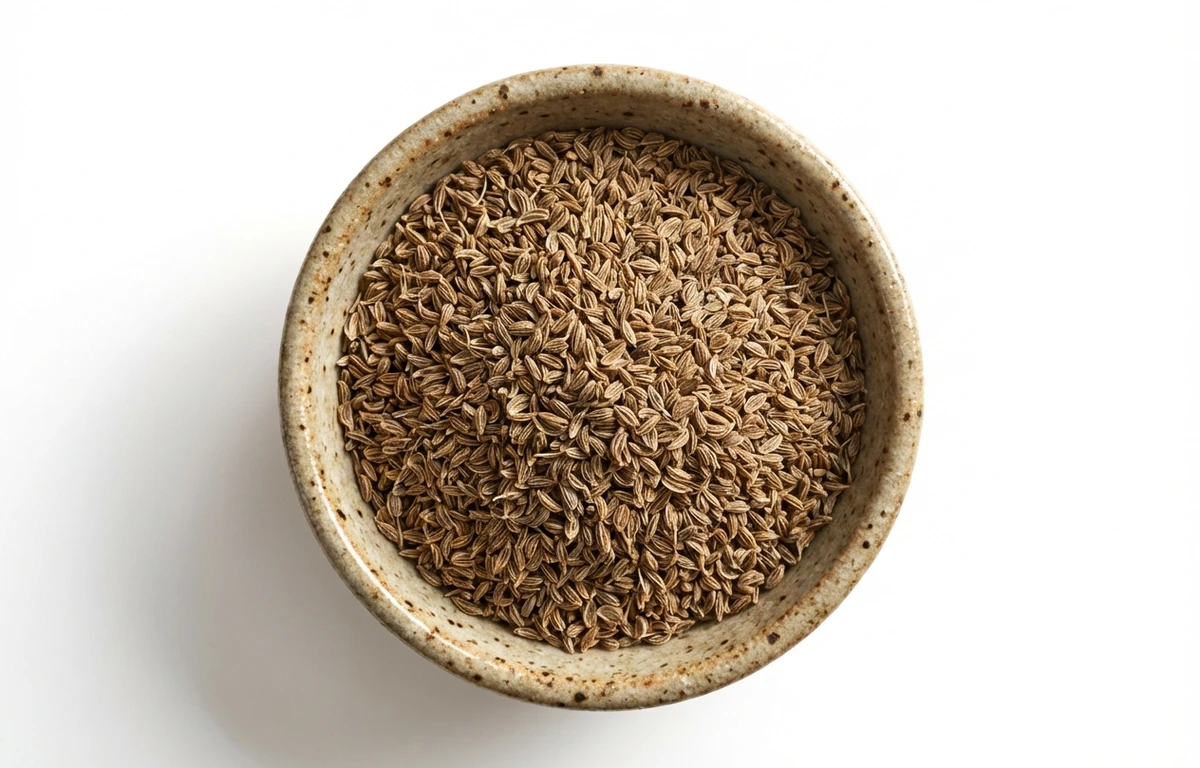
carom seeds.
VegetarianVeganGluten-freeDairy-freeNut-freePeanut-freeSoy-freeEgg-freeShellfish-freeHoney-freeAlcohol-free
ALSO KNOWN AS
carom seedsjavaneomumajwainajowanbishop's weedthymol seedstrachyspermum ammivamuomam
SERVING
CALORIES
461
PROTEIN
16g
CARBS
43g
FAT
25g
FIBER
39g
NUTRITION PROFILE · per 100 g
Everything in this ingredient.
MACRONUTRIENTS
Calories461kcal—
Protein16g32%
Carbohydrates43g16%
Fiber39g139%
Sugar0g0%
Total fat25g32%
Saturated fat4.0g20%
Trans fat0g—
Cholesterol0mg0%
Water8.0g—
MINERALS
Sodium10mg0%
Potassium1300mg28%
Calcium1525mg117%
Iron15mg83%
Magnesium230mg55%
Phosphorus550mg44%
Zinc4.5mg41%
Copper0.80mg89%
Manganese2.0mg87%
Selenium5.0µg9%
VITAMINS
Vitamin A0µg0%
Vitamin C0mg0%
Vitamin D0µg0%
Vitamin E0mg0%
Vitamin K0µg0%
Thiamin (B1)0.20mg17%
Riboflavin (B2)0.30mg23%
Niacin (B3)2.1mg13%
Vitamin B60.40mg24%
Folate (B9)10µg3%
Vitamin B120µg0%
%DV based on a 2,000 cal diet. Source: USDA FoodData Central. A dash in the %DV column means there’s no established Daily Value for that nutrient.
MEASUREMENT CONVERSIONS
How much is what.
1 cup130g
1 tablespoon7.5g
1 teaspoon2.5g
1 oz28.4g
1 lb453.6g
1 ml0.6g
1 liter550g
HEALTH BENEFITS
Why eat it.
- ✓Relieves indigestion, bloating, and gas effectively
- ✓Possesses strong antibacterial and antifungal properties due to thymol
- ✓May help lower blood pressure and improve cholesterol levels
- ✓Provides relief from chronic cough and respiratory congestion
- ✓Acts as a natural anti-inflammatory agent for joint pain
COOKING TIPS
In the kitchen.
- 1Crush seeds between your palms before adding to a dish to release the oils
- 2Dry roast on low heat for 30-60 seconds to enhance the nutty, pungent flavor
- 3Add to hot oil (tempering) at the end of cooking to prevent the seeds from turning bitter
STORAGE
Keep it fresh.
- Store in an airtight glass container to preserve the volatile aromatic oils
- Keep in a cool, dark, and dry place away from direct sunlight and heat
- Avoid using a wet spoon to scoop seeds to prevent moisture entry and mold
FAQ
Frequently asked questions.
How long do carom seeds last?
Whole carom seeds can last for 1 to 2 years if stored in an airtight container in a cool, dark place. Ground ajwain loses its potency much faster, usually within 6 months.
How do I pick high-quality carom seeds?
Look for seeds that are olive green to light brown in color. They should have a very strong, pungent aroma similar to thyme. Avoid seeds that look dusty or have no scent.
What is a good substitute for carom seeds?
Dried thyme is the closest substitute due to the shared thymol content. Cumin seeds or oregano can also work, though the flavor profile will shift slightly.
How should I prepare carom seeds for cooking?
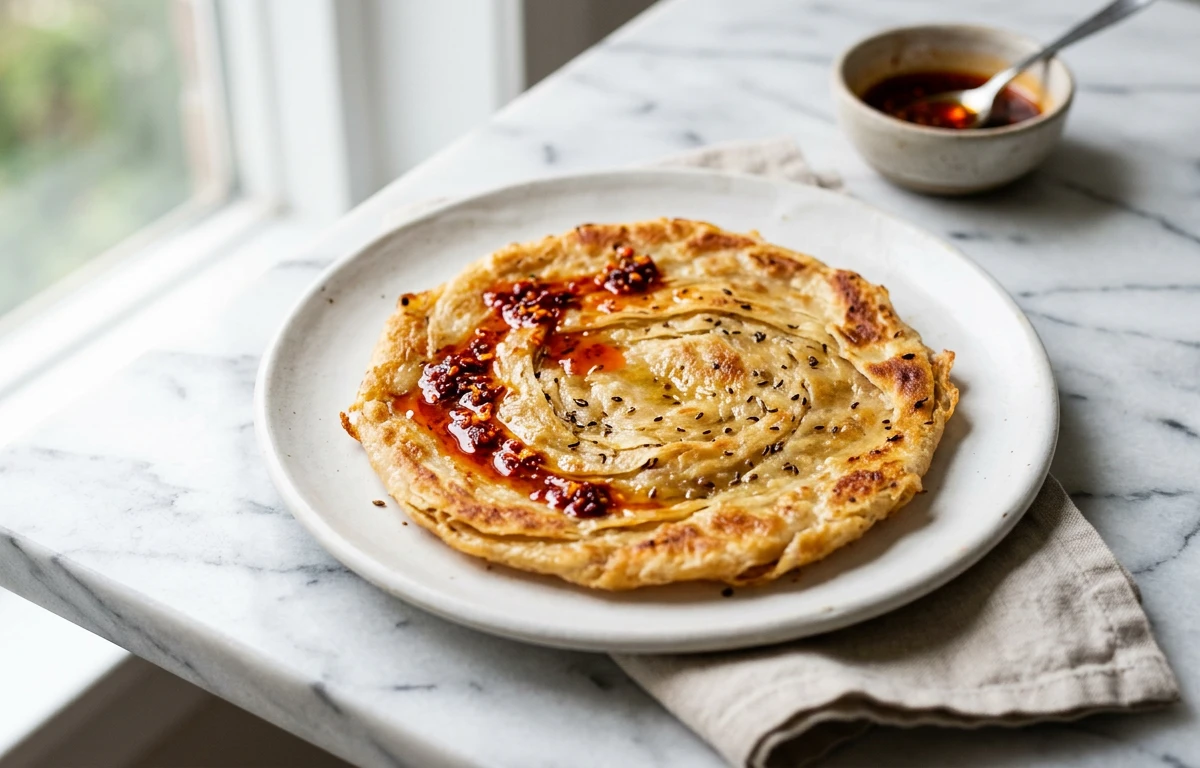
For most Indian recipes, they are either added to hot oil (tadka) or crushed between the palms and added to doughs for snacks like samosas or parathas.
Are carom seeds good for weight loss?
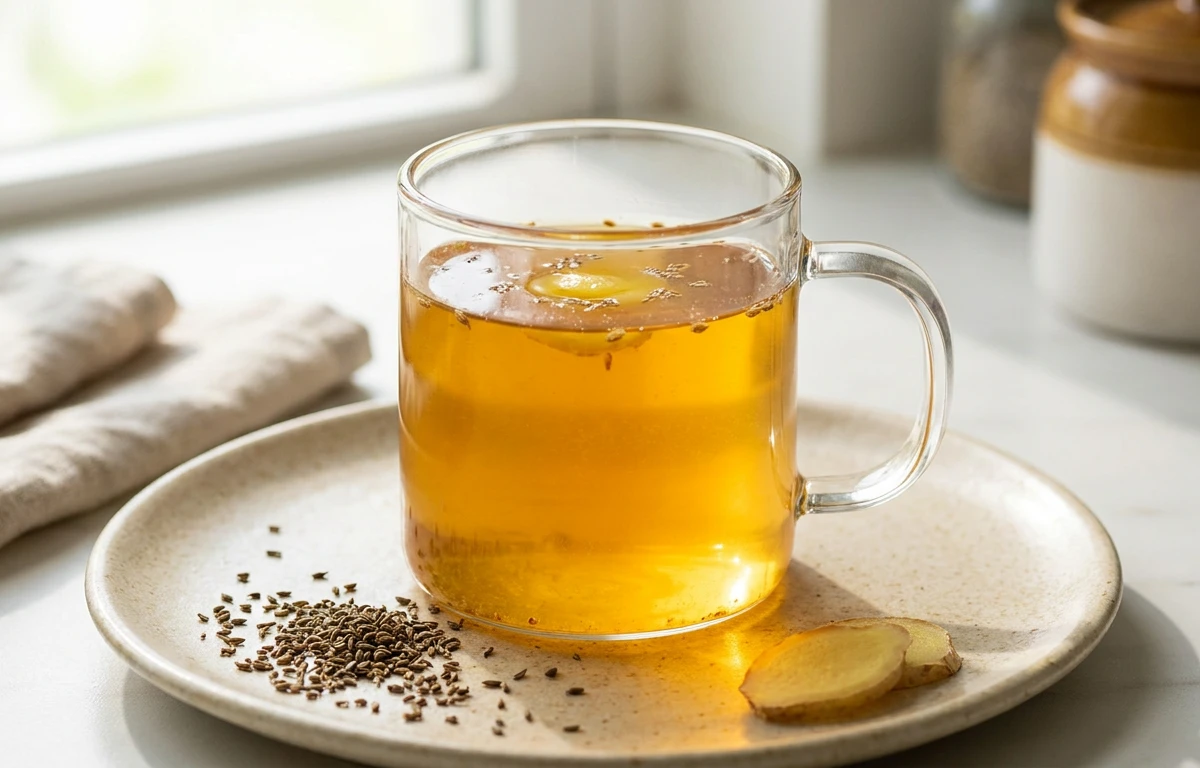
They are believed to aid weight loss by improving digestion and boosting metabolism, often consumed as 'ajwain water' on an empty stomach.
Can carom seeds be frozen?
Yes, they can be frozen in an airtight container to extend shelf life, though it is rarely necessary if kept in a dry pantry.
What do carom seeds taste like?
They have a very pungent, bitter, and sharp flavor, similar to a concentrated version of thyme or oregano with a slight peppery kick.
Why are carom seeds used in fried foods?
They are traditionally added to heavy or fried foods (like pakoras) because they significantly aid in the digestion of fats and prevent bloating.
Are carom seeds safe during pregnancy?
In small culinary amounts, they are generally safe, but excessive consumption should be avoided as they may stimulate the uterus. Always consult a doctor.
Do carom seeds contain gluten?
No, carom seeds are naturally gluten-free and safe for those with celiac disease or gluten sensitivity.
RECIPES
Cook with carom seeds.
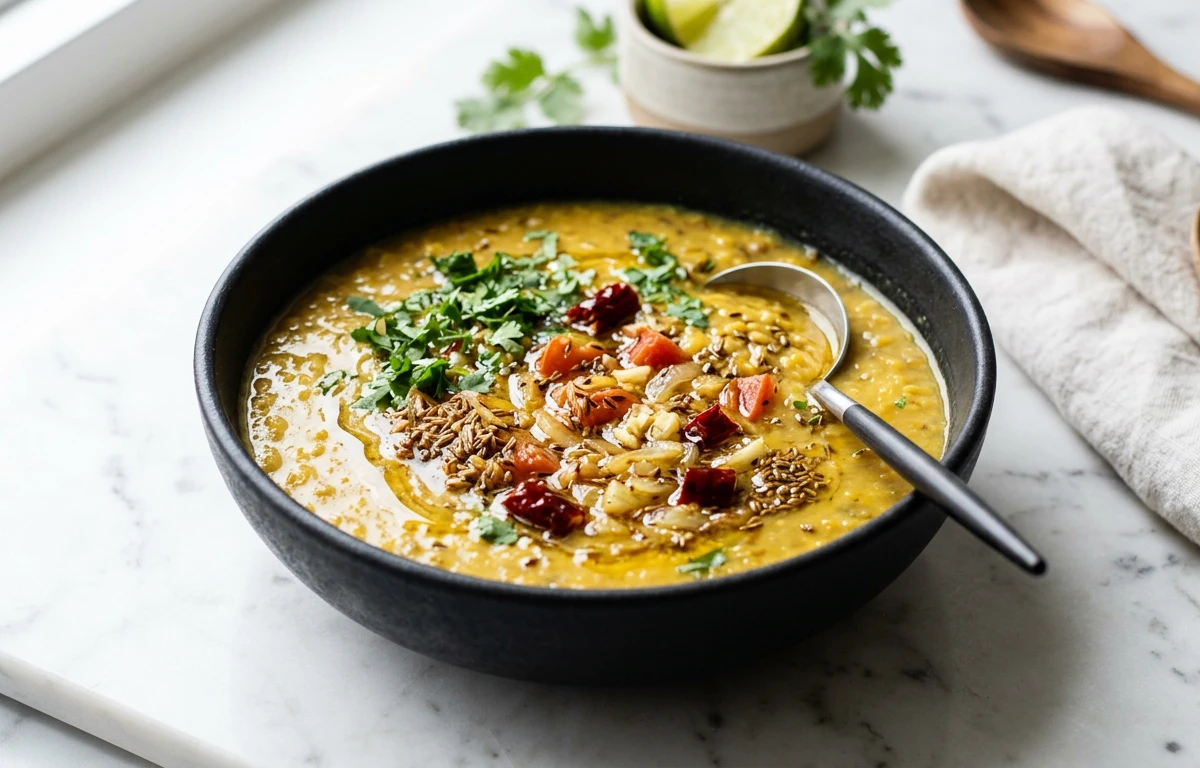
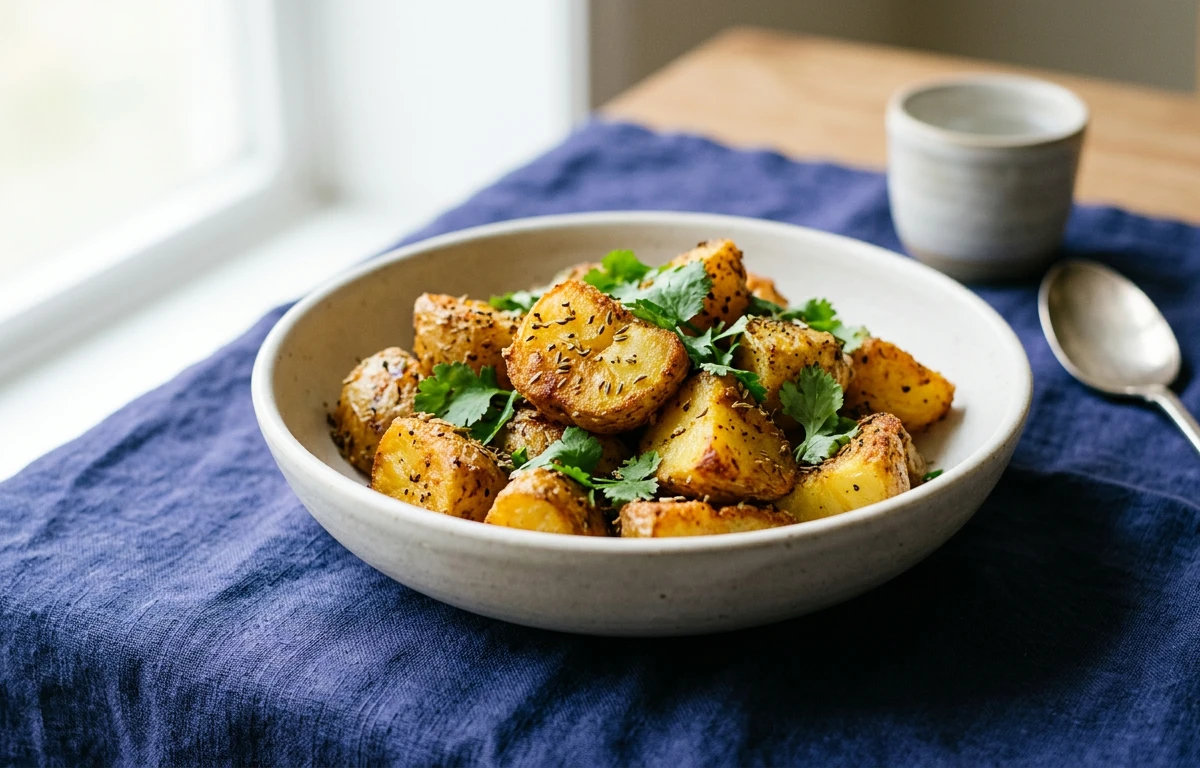
10 recipes · sorted by what’s quick