Protein5 recipes
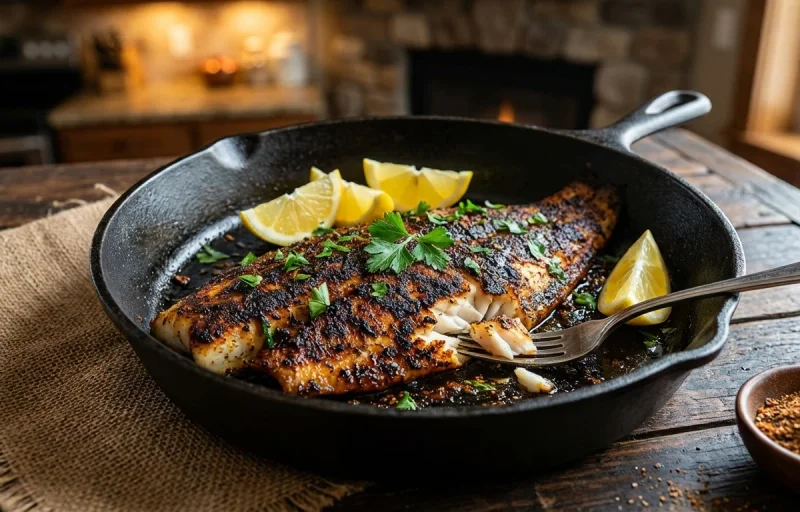
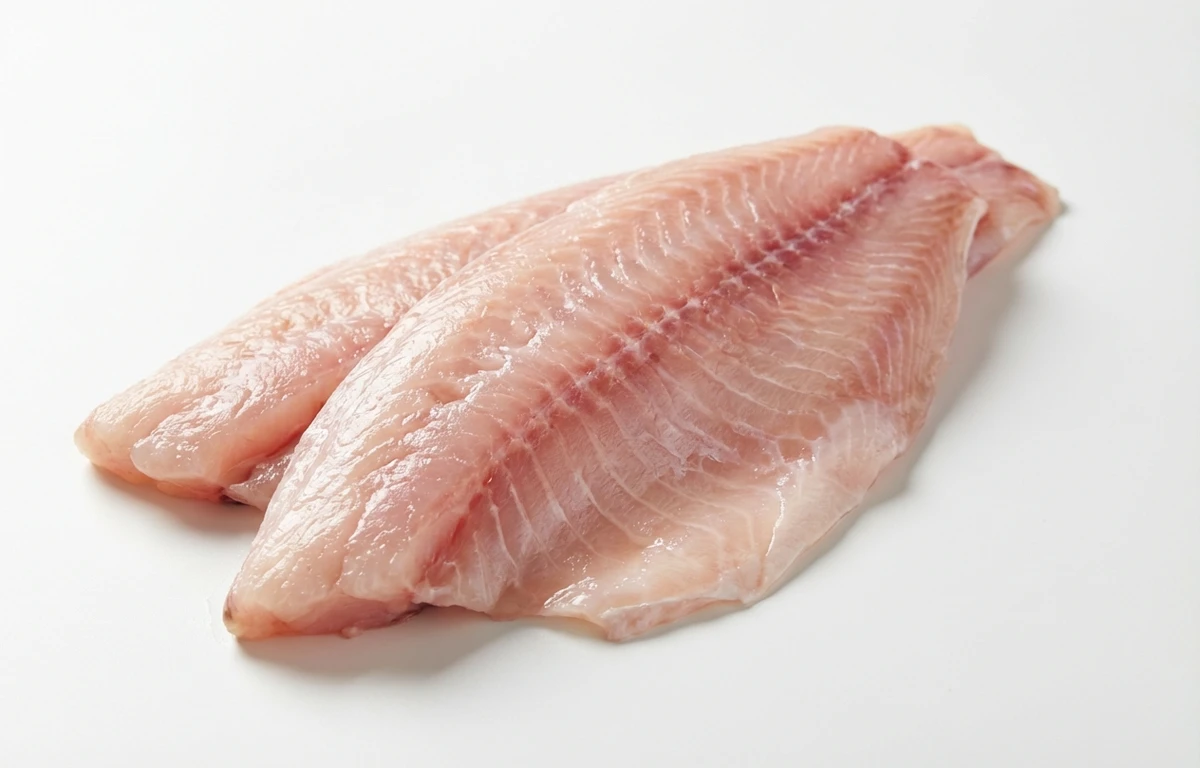
catfish fillets.
VegetarianVeganGluten-freeDairy-freeNut-freePeanut-freeSoy-freeEgg-freeShellfish-freeHoney-freeAlcohol-free
SERVING
CALORIES
105
PROTEIN
16.4g
CARBS
0g
FAT
4.3g
FIBER
0g
NUTRITION PROFILE · per 100 g
Everything in this ingredient.
MACRONUTRIENTS
Calories105kcal—
Protein16.4g33%
Carbohydrates0g0%
Fiber0g0%
Sugar0g0%
Total fat4.3g6%
Saturated fat1.1g6%
Trans fat0g—
Cholesterol58mg19%
Water78.5g—
MINERALS
Sodium43mg2%
Potassium358mg8%
Calcium14mg1%
Iron0.30mg2%
Magnesium23mg5%
Phosphorus209mg17%
Zinc0.50mg5%
Copper0.02mg2%
Manganese0.01mg0%
Selenium12.6µg23%
VITAMINS
Vitamin A15µg2%
Vitamin C0mg0%
Vitamin D12.5µg63%
Vitamin E0.70mg5%
Vitamin K0.10µg0%
Thiamin (B1)0.06mg5%
Riboflavin (B2)0.07mg5%
Niacin (B3)2.4mg15%
Pantothenic acid (B5)0.75mg15%
Vitamin B60.11mg6%
Folate (B9)10µg3%
Vitamin B122.9µg121%
%DV based on a 2,000 cal diet. Source: USDA FoodData Central. A dash in the %DV column means there’s no established Daily Value for that nutrient.
MEASUREMENT CONVERSIONS
How much is what.
1 oz28.4g
1 lb453.6g
1 ml1g
1 liter1040g
1 piece170g
HEALTH BENEFITS
Why eat it.
- ✓Excellent source of Vitamin B12 for nerve health
- ✓High in Vitamin D for bone and immune support
- ✓Provides lean protein for muscle maintenance
- ✓Contains heart-healthy Omega-3 fatty acids
- ✓Low in mercury compared to many other fish species
COOKING TIPS
In the kitchen.
- 1Pat fillets completely dry with paper towels to ensure a good sear
- 2Cook until the internal temperature reaches 145°F (63°C)
- 3Avoid overcooking as catfish can become tough and dry quickly
STORAGE
Keep it fresh.
- Store in the coldest part of the refrigerator for up to 2 days
- Keep in original vacuum-sealed packaging or airtight container
- Freeze for up to 6 months if wrapped tightly in moisture-proof foil
FAQ
Frequently asked questions.
How long do raw catfish fillets last in the fridge?
Raw catfish fillets should be used within 1 to 2 days of purchase for optimal safety and freshness.
Can I freeze catfish fillets?
Yes, you can freeze them for up to 6 months. Ensure they are wrapped tightly in plastic wrap and then placed in a freezer bag to prevent freezer burn.
What is a good substitute for catfish?
Tilapia, swai, or cod are excellent substitutes as they have a similar mild flavor and firm texture.
How can I tell if catfish has gone bad?
Spoiled catfish will have a strong 'fishy' or ammonia-like odor, a slimy texture, or a dull, yellowish discoloration.
Is catfish high in mercury?
No, catfish is considered a 'Best Choice' by the FDA because it is generally very low in mercury compared to larger predatory fish.
What is the best way to cook catfish?
Catfish is versatile and can be fried, blackened, grilled, or baked. Southern-style frying is the most traditional method.
Does catfish have a lot of bones?
Fillets are typically deboned during processing, but it is always good practice to check for small pin bones before cooking.
Is catfish a good source of protein?
Yes, a 100g serving provides about 16-18 grams of high-quality complete protein with relatively low calories.
How do I remove the 'muddy' taste sometimes associated with catfish?
Soaking the fillets in milk or buttermilk for 30 minutes before cooking can help neutralize any earthy or muddy flavors.
RECIPES
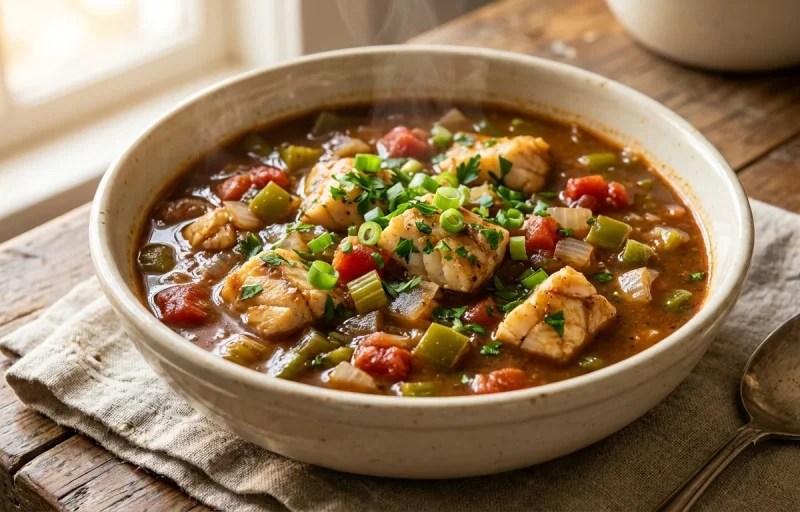
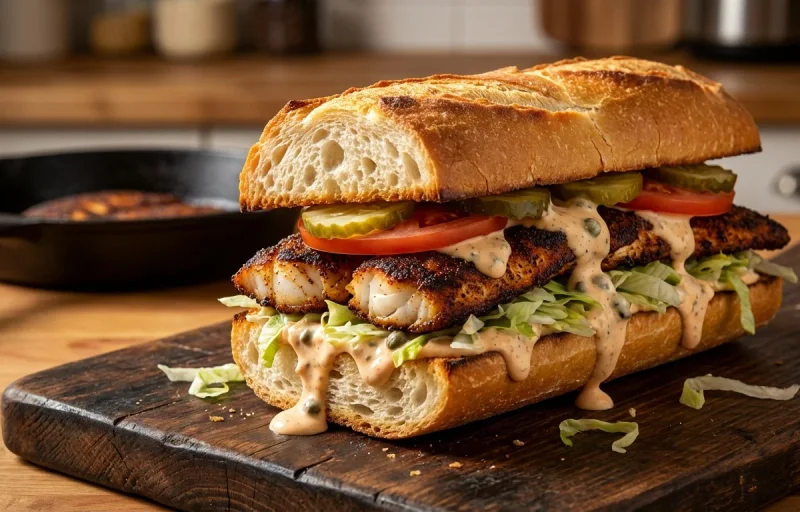
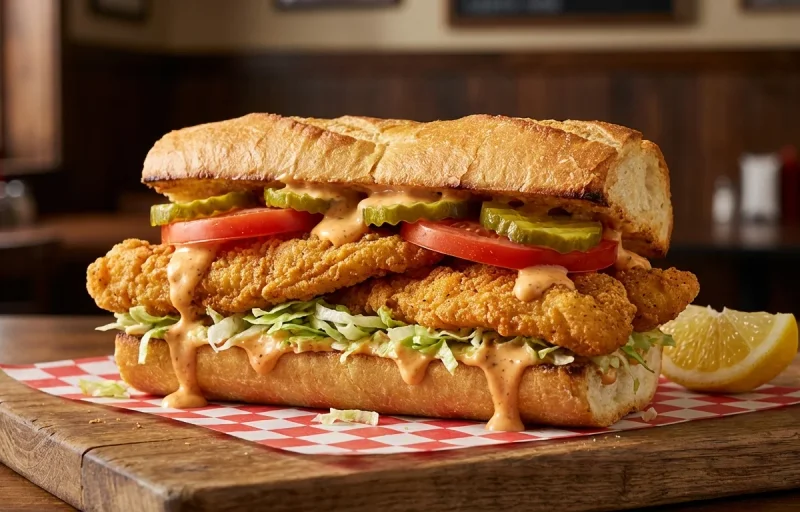
Cook with catfish fillets.
5 recipes · sorted by what’s quick