
Loading...
Also known as: Chenna, Chhena, Chhana, Chena
Per 100g
Nutrition data source: USDA FoodData Central
Common measurement equivalents in grams
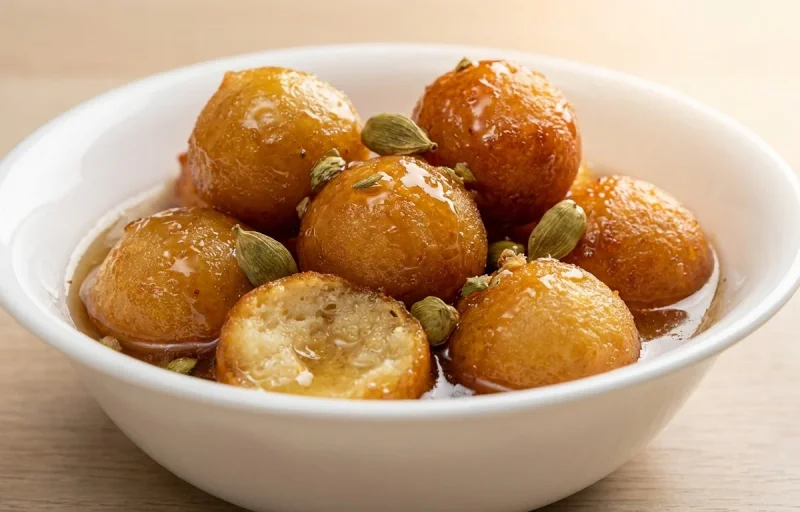
A delightful Odia sweet made from fresh cottage cheese (chhena), deep-fried to a perfect golden brown and soaked in a fragrant cardamom-infused sugar syrup. It's soft, spongy, and incredibly delicious.

A classic Odia sweet made from fresh chhena (paneer), lightly fried until golden brown and soaked in a fragrant sugar syrup. It has a delightful, slightly chewy and grainy texture that sets it apart from other Indian sweets.
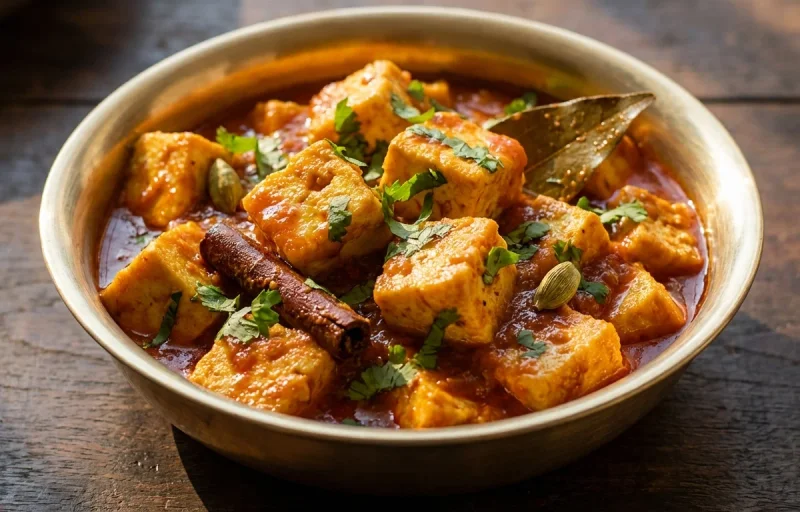
A rustic and flavorful curry from Odisha, featuring soft, freshly made cheese (chhena) simmered in a spicy and tangy tomato-onion gravy. This traditional dish is a delightful alternative to the usual paneer curries.

A legendary Odia dessert, this baked cheese cake is made from fresh chhena, sugar, and semolina. It boasts a beautifully caramelized crust and a soft, melt-in-your-mouth texture, a true delight from Odisha.
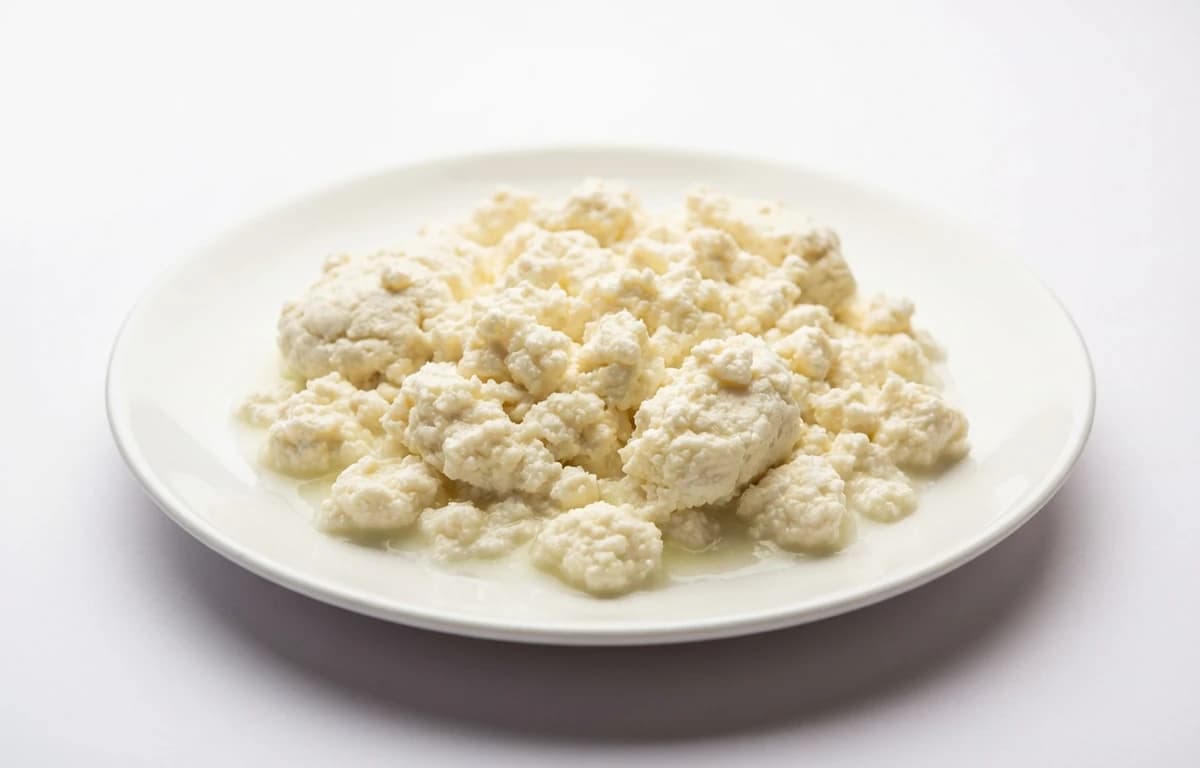
Chhena is a fresh, unripened curd cheese made by curdling milk with an edible acid like lemon juice or vinegar and then draining the whey.
While both are made from curdled milk, Chhena is the soft, unpressed curd used primarily for sweets, whereas Paneer is pressed into firm blocks for savory dishes.
Fresh Chhena lasts about 2 to 3 days in the refrigerator. It is best consumed as fresh as possible.
Freezing is not recommended as it significantly alters the texture, making it crumbly and grainy once thawed.
Full-fat cow milk is generally preferred for making Chhena, especially for Bengali sweets, as it results in a softer texture than buffalo milk.
Yes, it is an excellent source of protein and calcium, making it beneficial for vegetarians and those looking to build muscle or maintain bone density.
Freshly crumbled mild ricotta or very soft, unpressed farmer's cheese can be used as substitutes in some recipes.
Spoiled Chhena will have a sour or off-putting smell, a slimy texture, or visible mold growth.
It is the primary ingredient for many Indian sweets like Rasgulla, Sandesh, and Rasmalai, and can also be used in stuffed parathas.
Chhena is a versatile ingredient found in cuisines around the world. With 190 calories per 100g and 14.1 grams of protein, it's a nutritious addition to many dishes.
Explore more ingredients in the dairy category with complete nutrition information.
View all dairy →Explore more ingredients similar to Chhena.
The most-searched ingredients on CraftMyMeals.
No, Chhena contains lactose, although the levels are lower than in liquid milk because much of the lactose is removed with the whey.