Other10 recipes
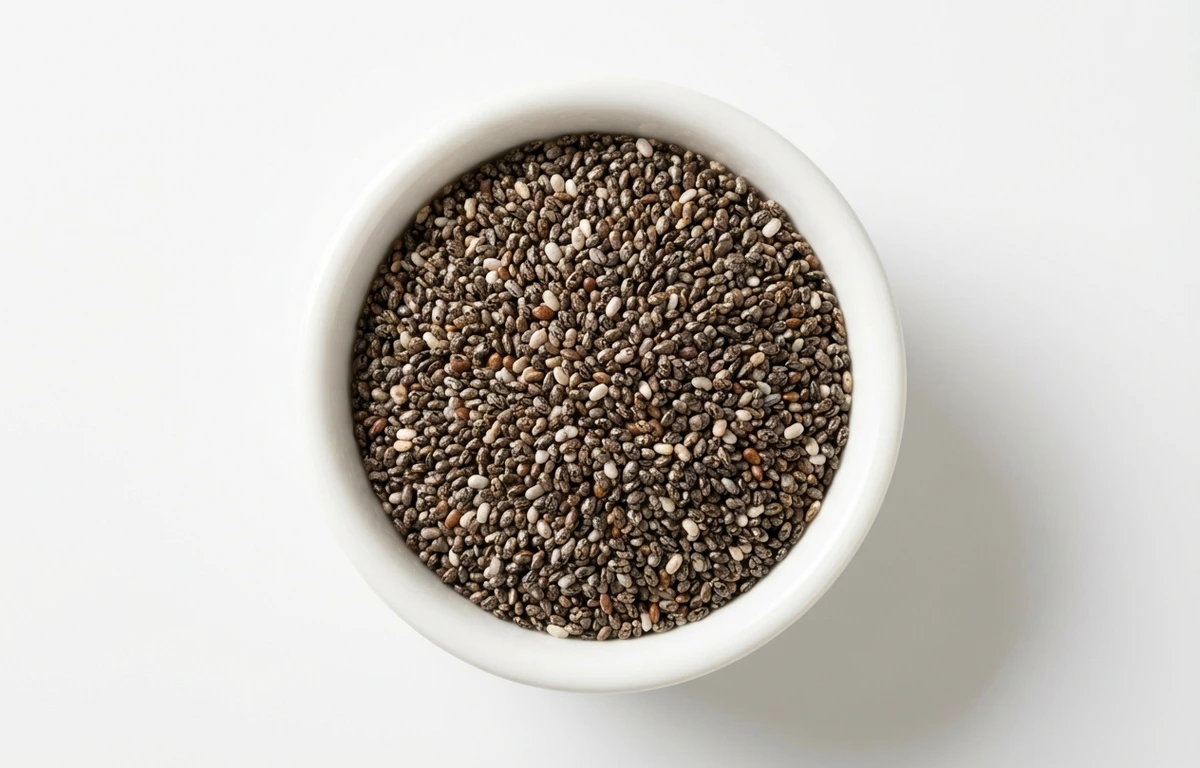
chia seeds.
VegetarianVeganGluten-freeDairy-freeNut-freePeanut-freeSoy-freeEgg-freeShellfish-freeHoney-freeAlcohol-free
ALSO KNOWN AS
chiaraw chia seedssalba seedsचिया बीजchia seedsdried chia seeds
SERVING
CALORIES
486
PROTEIN
16.5g
CARBS
42.1g
FAT
30.7g
FIBER
34.4g
NUTRITION PROFILE · per 100 g
Everything in this ingredient.
MACRONUTRIENTS
Calories486kcal—
Protein16.5g33%
Carbohydrates42.1g15%
Fiber34.4g123%
Sugar0g0%
Total fat30.7g39%
Saturated fat3.3g16%
Trans fat0g—
Cholesterol0mg0%
Water5.8g—
MINERALS
Sodium16mg1%
Potassium407mg9%
Calcium631mg49%
Iron7.7mg43%
Magnesium335mg80%
Phosphorus860mg69%
Zinc4.6mg42%
Copper0.90mg100%
Manganese2.7mg117%
Selenium55.2µg100%
VITAMINS
Vitamin A16µg2%
Vitamin C1.6mg2%
Vitamin D0µg0%
Vitamin E0.50mg3%
Vitamin K0µg0%
Thiamin (B1)0.60mg50%
Riboflavin (B2)0.20mg15%
Niacin (B3)8.8mg55%
Pantothenic acid (B5)0.60mg12%
Vitamin B60.10mg6%
Folate (B9)49µg12%
Vitamin B120µg0%
%DV based on a 2,000 cal diet. Source: USDA FoodData Central. A dash in the %DV column means there’s no established Daily Value for that nutrient.
MEASUREMENT CONVERSIONS
How much is what.
1 cup160g
1 tablespoon9g
1 teaspoon3g
1 ml0.7g
1 liter600g
HEALTH BENEFITS
Why eat it.
- ✓Excellent source of omega-3 fatty acids (ALA), which support heart and brain health.
- ✓High in soluble fiber, which aids digestion, promotes satiety, and helps regulate blood sugar levels.
- ✓Rich in antioxidants that protect the body from free radical damage.
- ✓Good source of minerals like calcium, magnesium, and phosphorus, which are essential for bone health.
- ✓Contributes to hydration due to its ability to absorb water.
COOKING TIPS
In the kitchen.
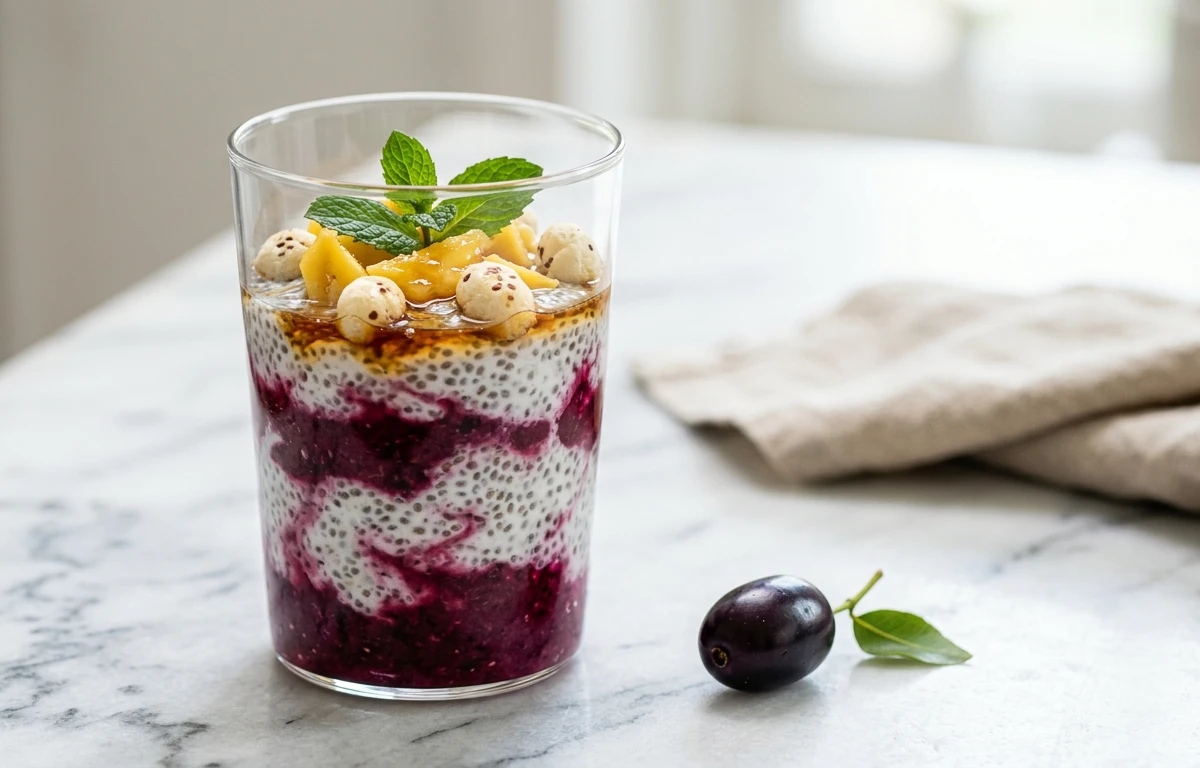
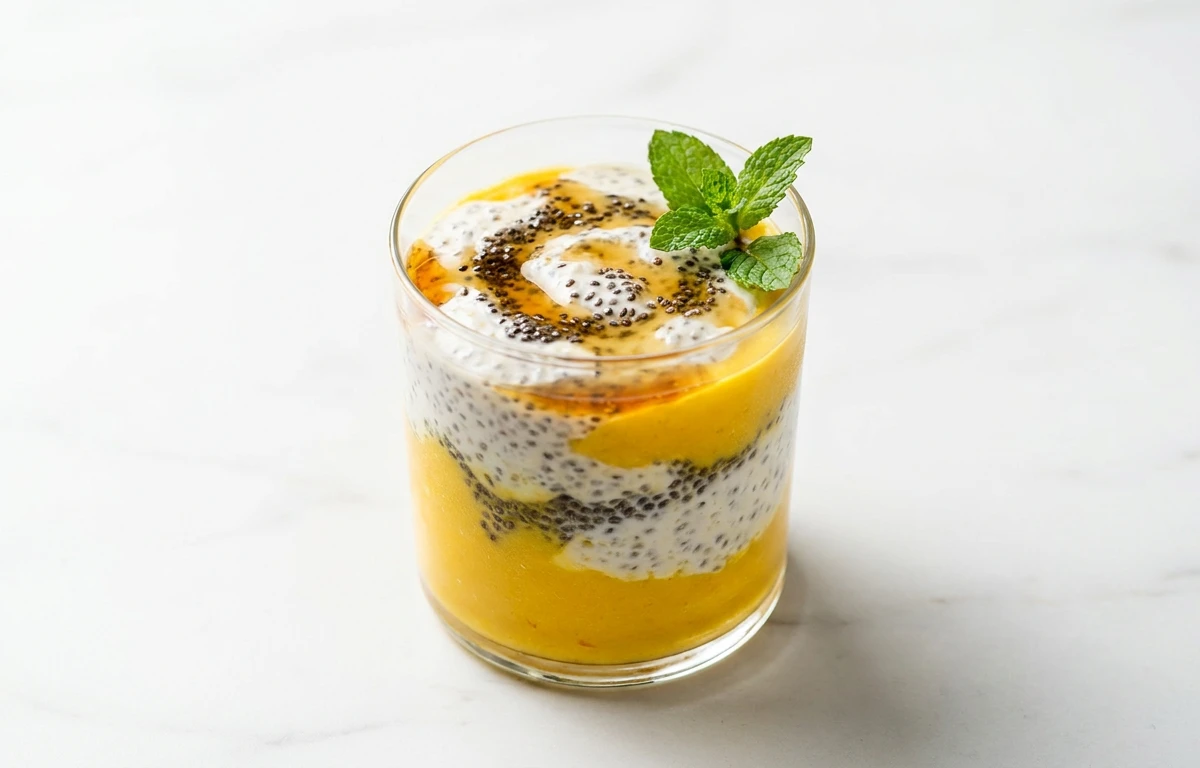
- 1Create a gel by mixing 1 part chia seeds with 4 parts liquid (water, milk, juice). Let sit for 15-20 minutes to use in puddings or as a thickener.
- 2Use as a vegan egg substitute in baking by mixing 1 tablespoon of ground chia seeds with 3 tablespoons of water and letting it rest for 5-10 minutes.
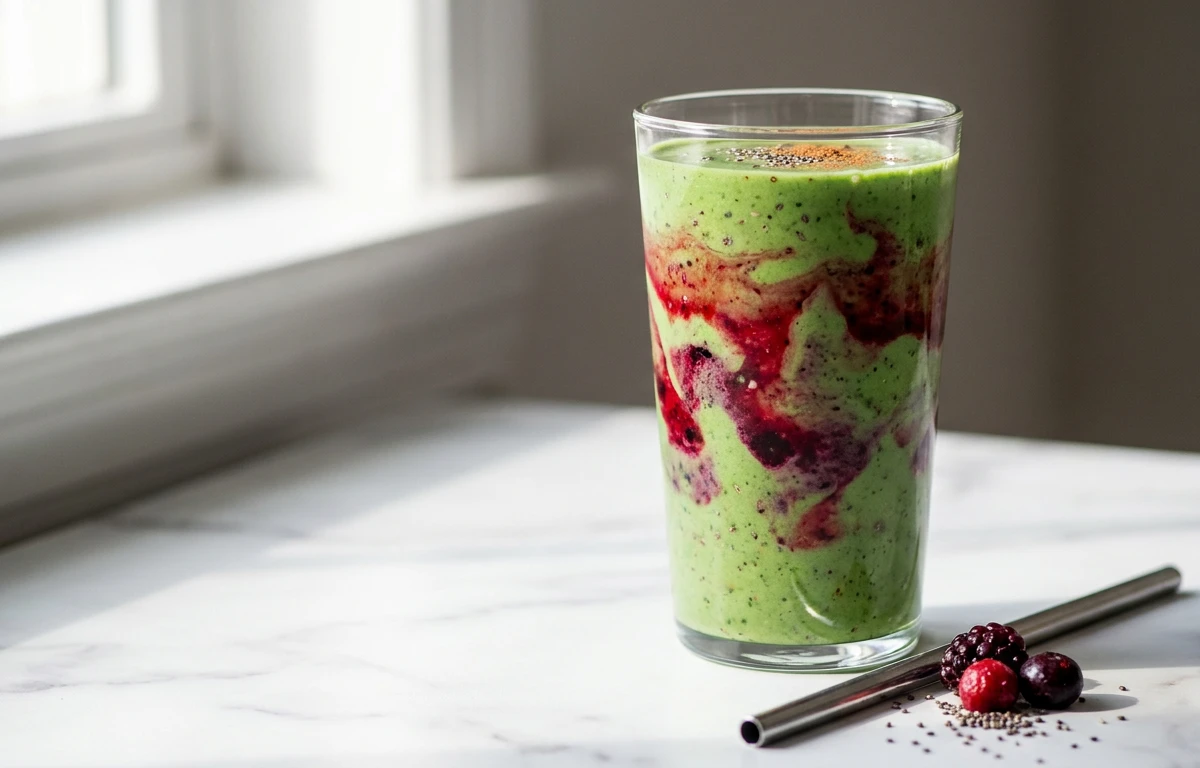
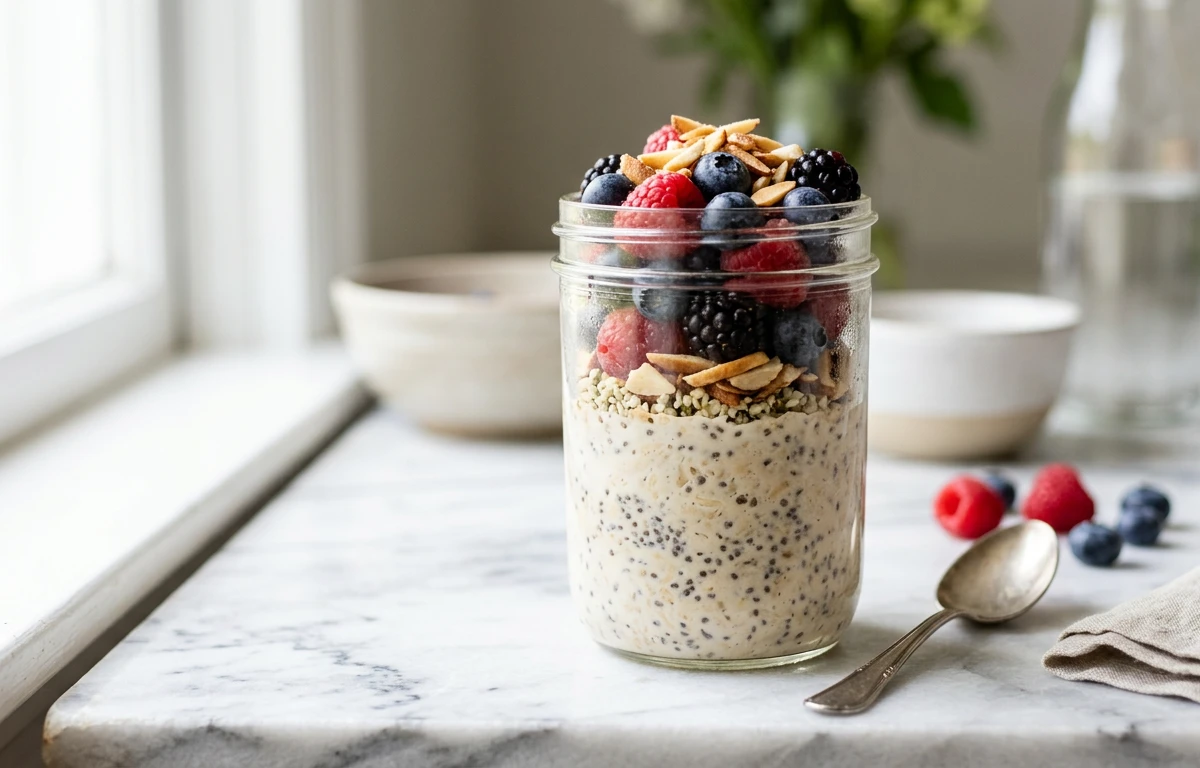
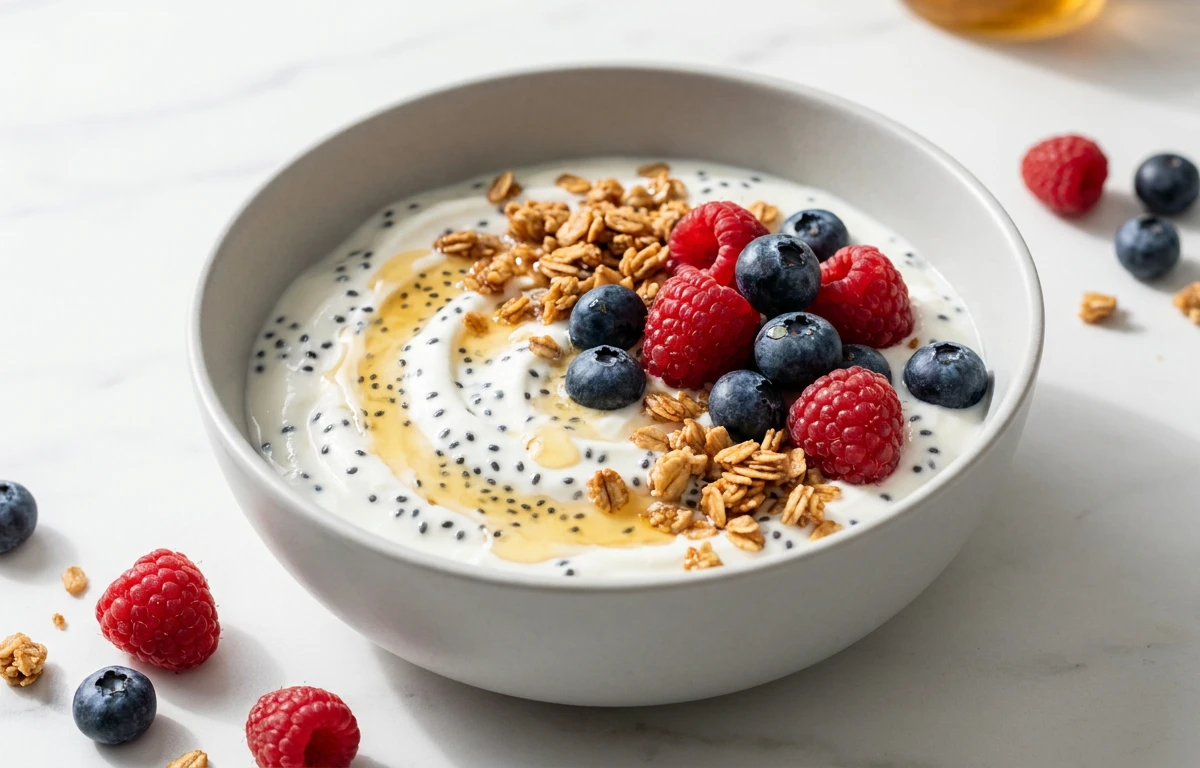
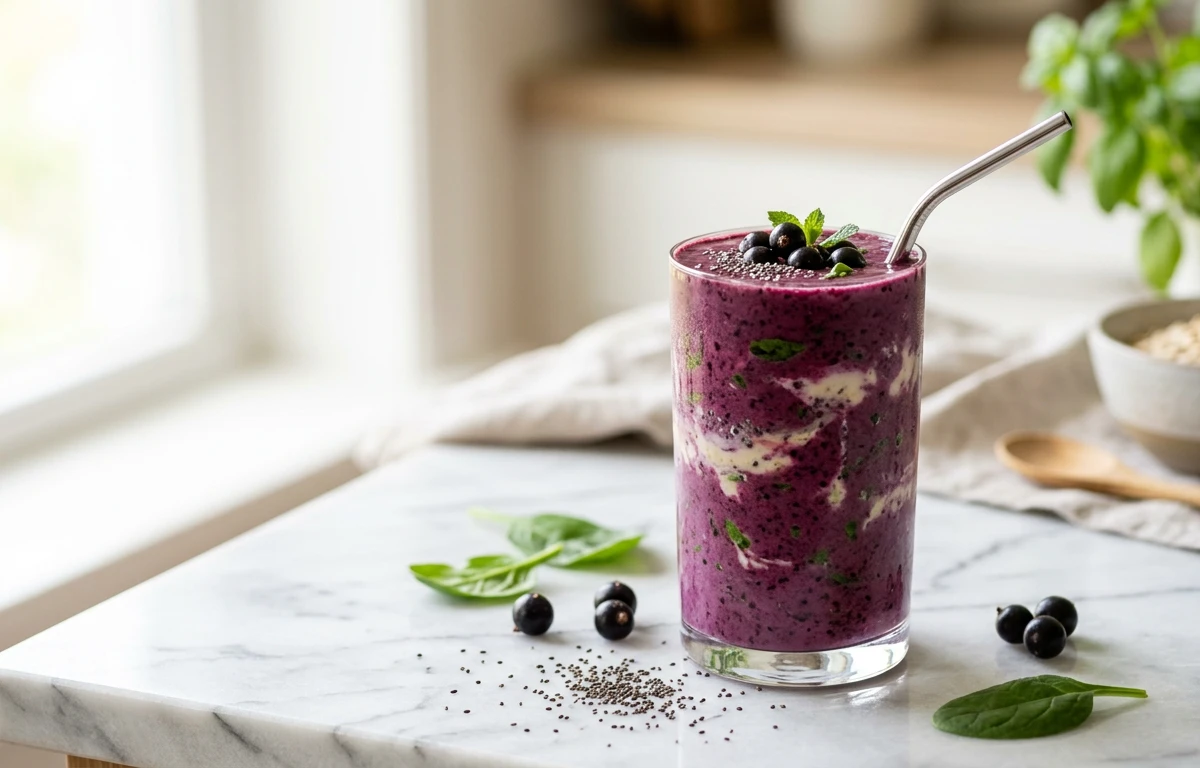
- 3Sprinkle whole or ground seeds directly onto yogurt, oatmeal, salads, or into smoothies for a nutrient boost.
- 4Add to homemade granola bars, breads, or muffins for extra texture and fiber.
STORAGE
Keep it fresh.
- Store in an airtight container in a cool, dark, and dry place like a pantry for up to 2 years.
- For longer-term storage, they can be kept in the refrigerator or freezer to protect the delicate fats from going rancid.
FAQ
Frequently asked questions.
Are chia seeds healthy?
Yes, chia seeds are highly nutritious, offering a wealth of omega-3 fatty acids, fiber, and antioxidants. They support heart health, aid digestion, and provide essential minerals like calcium and magnesium for bone strength.
How much protein and fiber are in chia seeds?
Per 100g, chia seeds contain approximately 16.5g of protein and a very high fiber content. This combination makes them excellent for muscle maintenance and digestive health, as the fiber helps regulate blood sugar levels.
Are chia seeds good for weight loss?
Chia seeds can aid weight loss because their high soluble fiber content absorbs water and expands in the stomach, promoting a feeling of fullness. This increased satiety can help reduce overall calorie intake throughout the day.
Are chia seeds vegan and gluten-free?
Yes, chia seeds are naturally vegan and gluten-free. They are a single-ingredient plant food, making them safe for individuals with celiac disease or those following a plant-based diet.
Are chia seeds keto-friendly?
Yes, chia seeds are very keto-friendly. While they have 42.1g of total carbs per 100g, the vast majority of those carbs are fiber, resulting in a very low net carb count that fits well within a ketogenic lifestyle.
How do you prepare or eat chia seeds?
Chia seeds can be eaten raw sprinkled on yogurt or salads, but they are most commonly soaked in liquid to create 'chia pudding.' They can absorb up to 12 times their weight in liquid, developing a unique gel-like texture.
What do chia seeds taste like?
Chia seeds have a very mild, slightly nutty flavor that is largely neutral. This allows them to easily take on the flavor of whatever liquid or food they are added to, such as almond milk, juice, or smoothies.
Can I use chia seeds as an egg substitute?
Yes, you can make a 'chia egg' by mixing 1 tablespoon of chia seeds with 3 tablespoons of water. Let the mixture sit for about 5-10 minutes until it becomes gelatinous; it works as an excellent binder in vegan baking.
How should I store chia seeds and how long do they last?
Store chia seeds in an airtight container in a cool, dark place like a pantry for up to 2 years. For even longer shelf life, you can keep them in the refrigerator to prevent the natural oils from eventually going rancid.
Do I need to grind chia seeds to get the nutritional benefits?
Unlike flax seeds, chia seeds do not need to be ground to be digested or to provide nutritional benefits. Your body can effectively break down the whole seed to access the omega-3 fatty acids and minerals inside.
RECIPES
Cook with chia seeds.
10 recipes · sorted by what’s quick