Protein10 recipes
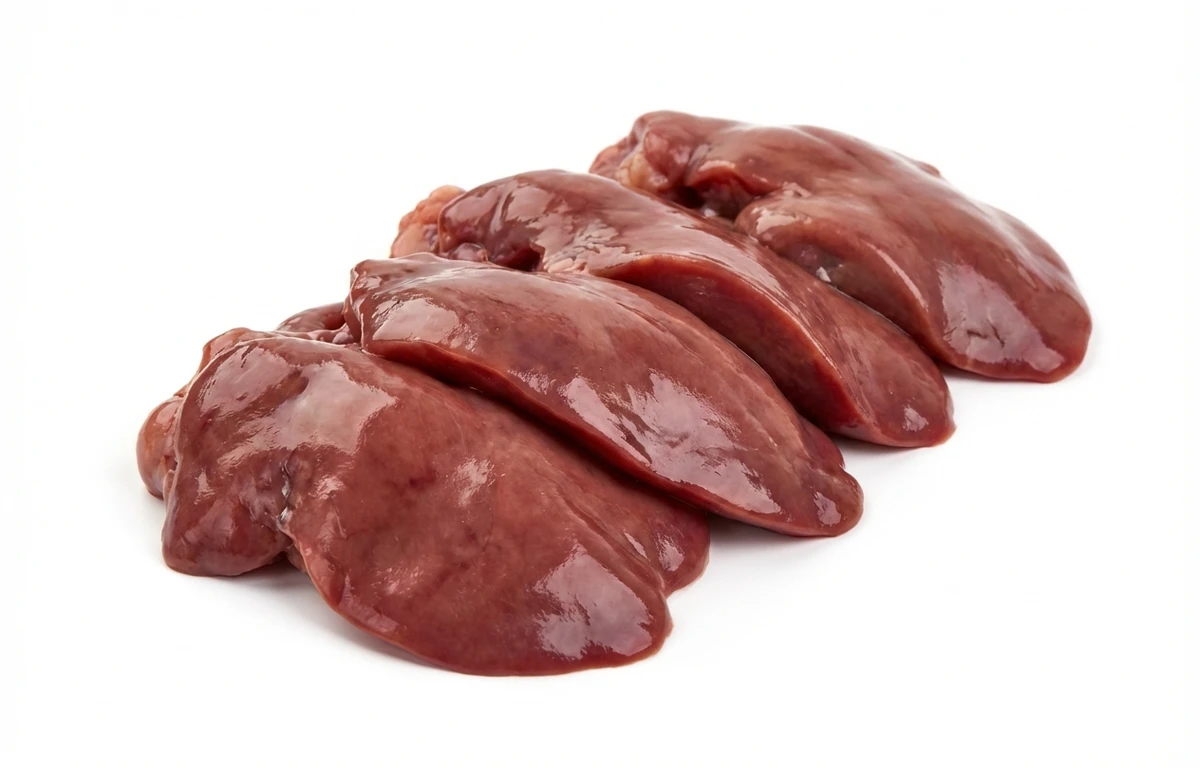
chicken liver.
VegetarianVeganGluten-freeDairy-freeNut-freePeanut-freeSoy-freeEgg-freeShellfish-freeHoney-freeAlcohol-free
ALSO KNOWN AS
murgi ki kalejipoultry liverchicken livershígado de pollofegato di pollo
SERVING
CALORIES
119
PROTEIN
16.9g
CARBS
0.70g
FAT
4.8g
FIBER
0g
NUTRITION PROFILE · per 100 g
Everything in this ingredient.
MACRONUTRIENTS
Calories119kcal—
Protein16.9g34%
Carbohydrates0.70g0%
Fiber0g0%
Sugar0g0%
Total fat4.8g6%
Saturated fat1.6g8%
Trans fat0g—
Cholesterol345mg115%
Water76.5g—
MINERALS
Sodium71mg3%
Potassium230mg5%
Calcium8.0mg1%
Iron9.0mg50%
Magnesium18mg4%
Phosphorus297mg24%
Zinc2.7mg25%
Copper0.50mg56%
Manganese0.20mg9%
Selenium54.6µg99%
VITAMINS
Vitamin A3290µg366%
Vitamin C17.9mg20%
Vitamin D0µg0%
Vitamin E0.70mg5%
Vitamin K0µg0%
Thiamin (B1)0.30mg25%
Riboflavin (B2)1.8mg138%
Niacin (B3)9.7mg61%
Pantothenic acid (B5)6.2mg124%
Vitamin B60.90mg53%
Folate (B9)588µg147%
Vitamin B1216.6µg692%
%DV based on a 2,000 cal diet. Source: USDA FoodData Central. A dash in the %DV column means there’s no established Daily Value for that nutrient.
MEASUREMENT CONVERSIONS
How much is what.
1 cup250g
1 tablespoon15.5g
1 teaspoon5.2g
1 oz28.4g
1 lb453.6g
1 ml1.1g
1 liter1050g
1 piece35g
HEALTH BENEFITS
Why eat it.
- ✓Extremely high in Vitamin B12 for nerve health
- ✓Excellent source of heme iron to prevent anemia
- ✓Rich in Vitamin A for eye health and immunity
- ✓High quality complete protein for muscle repair
- ✓Contains high levels of folate for DNA synthesis
COOKING TIPS
In the kitchen.
- 1Soak in milk for 30 minutes before cooking to reduce bitterness and metallic taste
- 2Do not overcook; liver should be slightly pink in the center to remain tender
- 3Pat dry with paper towels before searing to achieve a good crust
STORAGE
Keep it fresh.
- Store in the coldest part of the refrigerator for no more than 1-2 days
- Freeze in airtight containers or vacuum-sealed bags for up to 3-4 months
- Keep raw liver separate from other foods to prevent cross-contamination
FAQ
Frequently asked questions.
How long does chicken liver last in the fridge?
Raw chicken liver is highly perishable and should be used within 1 to 2 days of purchase.
Can you freeze chicken liver?
Yes, it freezes well. Wrap it tightly in plastic wrap and then a freezer bag; it will stay good for 3 to 4 months.
How do I know if chicken liver has gone bad?
Spoiled liver will have a strong, sour smell, a slimy texture, or visible discoloration (grey or green tints).
What is the best way to clean chicken liver?
Rinse under cold water and trim away any green bile sacs, connective tissue, or large veins before cooking.
What can I substitute for chicken liver?
Duck liver or calf liver are the best substitutes, though calf liver has a stronger flavor.
Is chicken liver high in cholesterol?
Yes, it is very high in cholesterol (about 345mg per 100g), so it should be consumed in moderation.
Why is my chicken liver bitter?
Bitterness usually comes from the bile sac. Ensure all green parts are trimmed, and try soaking the liver in milk or lemon water before cooking.
What are common dishes made with chicken liver?
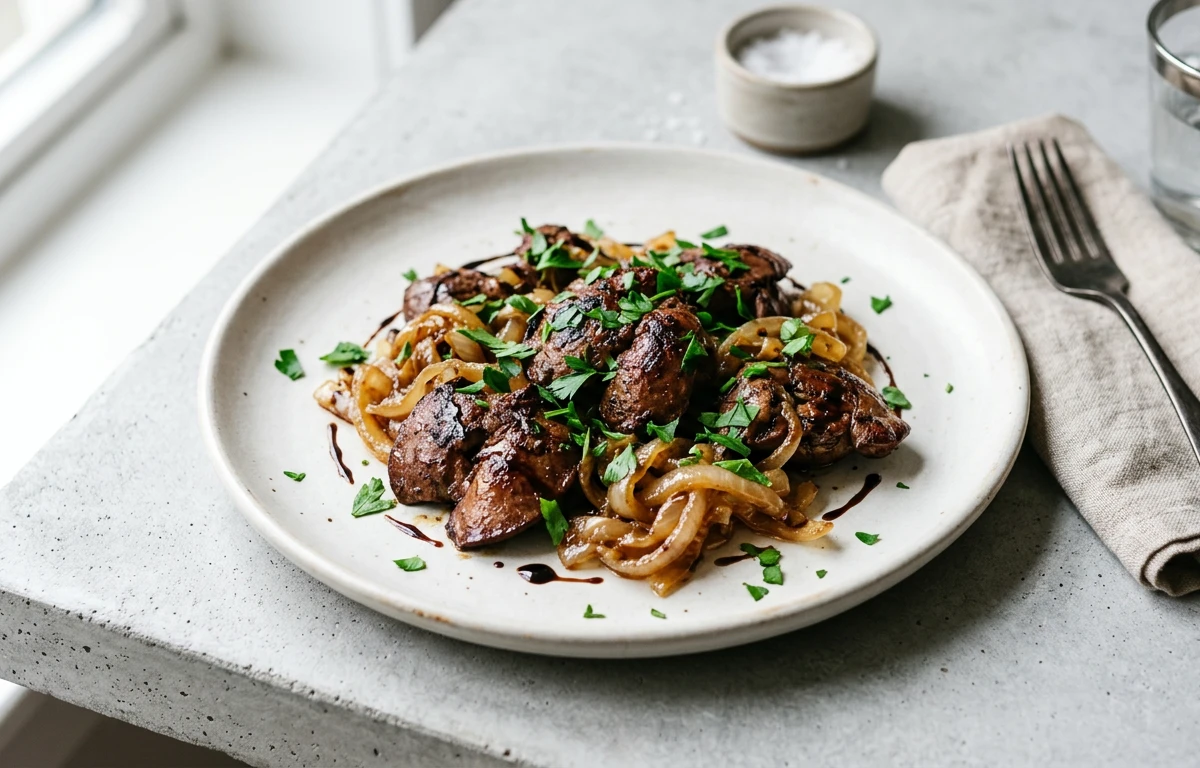
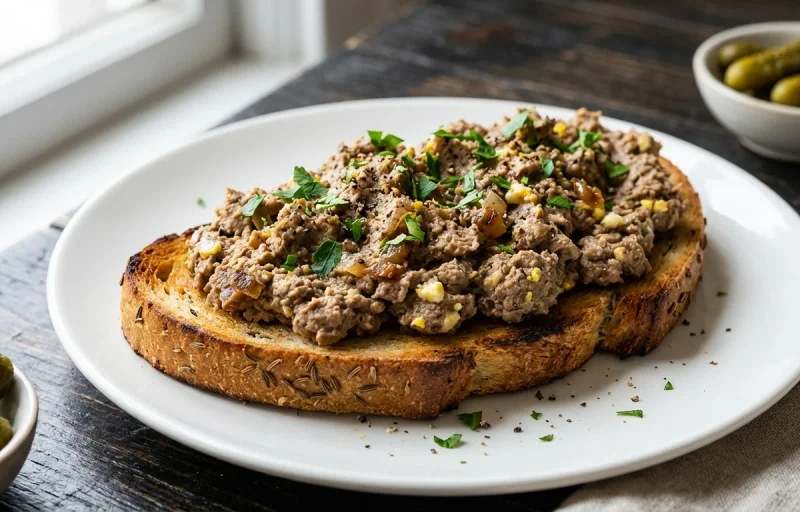
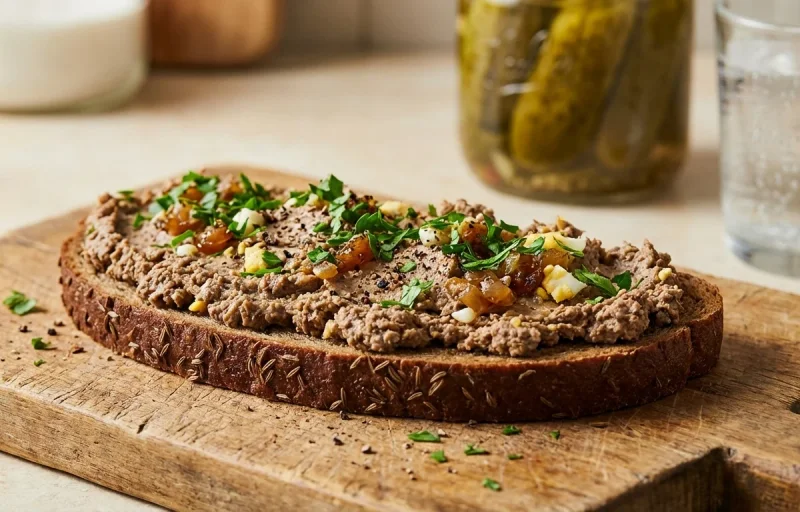
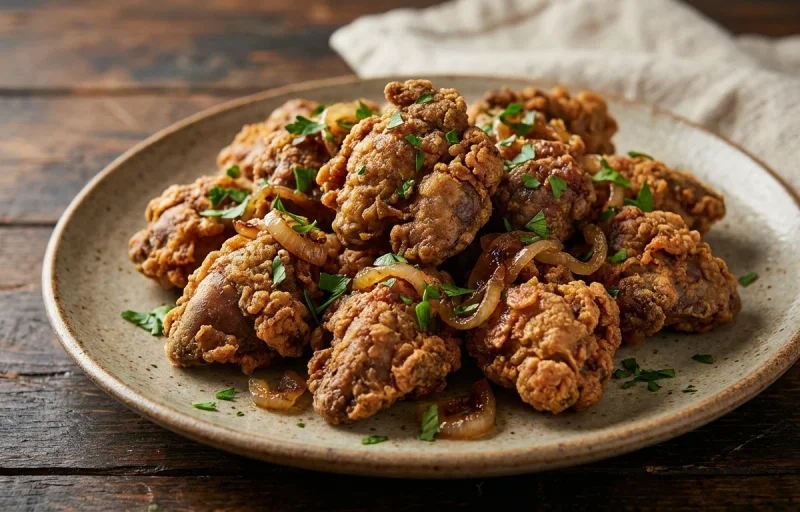
Common dishes include chopped liver, pâté, peri-peri chicken livers, and stir-fried liver with onions (Kaleji Fry).
Is it safe to eat chicken liver every day?
No, due to its extremely high Vitamin A content, eating it daily can lead to Vitamin A toxicity. Once or twice a week is generally recommended.
RECIPES
Cook with chicken liver.
10 recipes · sorted by what’s quick