
Protein10 recipes
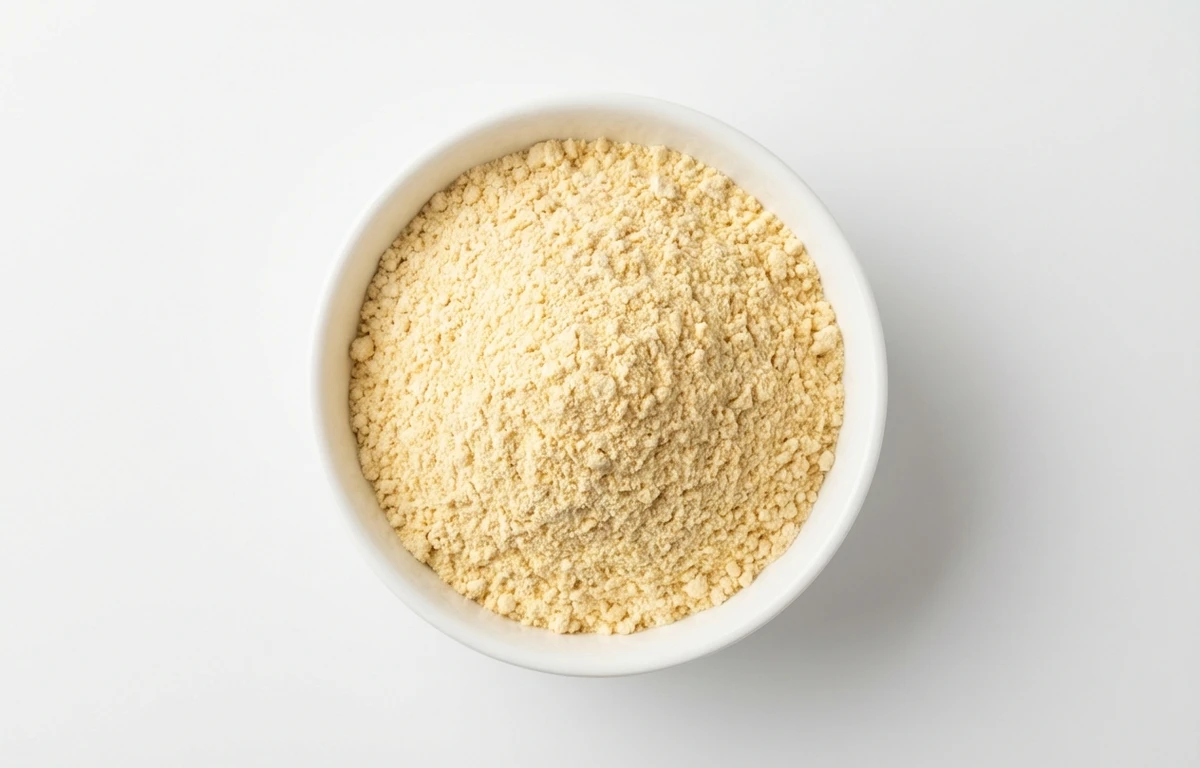
chickpea flour.
VegetarianVeganGluten-freeDairy-freeNut-freePeanut-freeSoy-freeEgg-freeShellfish-freeHoney-freeAlcohol-freeWhole grain
ALSO KNOWN AS
besanbesan flourgram flourgarbanzo bean flourbesan chickpea floursattu chickpea flour
SERVING
CALORIES
387
PROTEIN
22.4g
CARBS
62.9g
FAT
6.7g
FIBER
10.8g
NUTRITION PROFILE · per 100 g
Everything in this ingredient.
MACRONUTRIENTS
Calories387kcal—
Protein22.4g45%
Carbohydrates62.9g23%
Fiber10.8g39%
Sugar10.9g22%
Total fat6.7g9%
Saturated fat0.70g3%
Trans fat0g—
Cholesterol0mg0%
Water8.5g—
MINERALS
Sodium64mg3%
Potassium846mg18%
Calcium45mg3%
Iron4.9mg27%
Magnesium153mg36%
Phosphorus293mg23%
Zinc2.6mg24%
Copper0.84mg93%
Manganese1.5mg64%
Selenium7.6µg14%
VITAMINS
Vitamin A0µg0%
Vitamin C0mg0%
Vitamin D0µg0%
Vitamin E0.76mg5%
Vitamin K1.0µg1%
Thiamin (B1)0.45mg38%
Riboflavin (B2)0.10mg8%
Niacin (B3)1.6mg10%
Pantothenic acid (B5)0.56mg11%
Vitamin B60.45mg26%
Folate (B9)402µg101%
Vitamin B120µg0%
%DV based on a 2,000 cal diet. Source: USDA FoodData Central. A dash in the %DV column means there’s no established Daily Value for that nutrient.
MEASUREMENT CONVERSIONS
How much is what.
1 cup92g
1 tablespoon8g
1 teaspoon3g
1 ml0.6g
1 liter600g
HEALTH BENEFITS
Why eat it.
- ✓High in protein and fiber, which promotes satiety and aids in weight management.
- ✓Rich in essential minerals like iron, magnesium, and phosphorus, supporting energy production and bone health.
- ✓Has a lower glycemic index compared to wheat flour, helping to stabilize blood sugar levels.
- ✓Naturally gluten-free, making it an excellent alternative for individuals with celiac disease or gluten sensitivity.
COOKING TIPS
In the kitchen.
- 1To reduce its slightly bitter raw taste, lightly toast the flour in a dry skillet over medium heat for 5-7 minutes until fragrant.
- 2When used as a binder or egg substitute, mix 1/4 cup of chickpea flour with 1/4 cup of water to replace one egg.
- 3It is excellent for creating batters for savory pancakes (like socca or farinata), fritters (pakoras), and as a thickener for soups and curries.
- 4Due to its high absorbency, you may need to adjust liquid quantities when substituting it for other flours in baking.
STORAGE
Keep it fresh.
- Store in an airtight container in a cool, dark, and dry place, such as a pantry, for up to 6 months.
- For longer freshness and to prevent rancidity, store in the refrigerator or freezer in a sealed container for up to one year.
FAQ
Frequently asked questions.
Is chickpea flour healthy?
Yes, chickpea flour is highly nutritious. It is rich in protein, fiber, and essential minerals like iron and magnesium, which support energy production and bone health. Its low glycemic index also helps stabilize blood sugar levels compared to refined flours.
How much protein is in chickpea flour?
Chickpea flour is a high-protein alternative to traditional grain flours, containing approximately 22.4g of protein per 100g. This makes it an excellent plant-based protein source for vegetarians and vegans looking to boost their intake.
Is chickpea flour gluten-free?
Yes, chickpea flour is naturally gluten-free as it is made entirely from ground chickpeas. It is a safe and popular alternative for individuals with celiac disease or non-celiac gluten sensitivity.
Is chickpea flour keto-friendly?
While chickpea flour is high in protein and fiber, it contains about 62.9g of carbohydrates per 100g. Because of this carb count, it is generally not considered keto-friendly, though it is a better option for low-glycemic diets than wheat flour.
What does chickpea flour taste like?
Raw chickpea flour has a slightly bitter, bean-like taste that can be quite strong. However, once cooked, it mellows out into a mild, nutty, and savory flavor that works well in both sweet and savory dishes.
Can I substitute wheat flour with chickpea flour in baking?
You can typically substitute up to 25% of wheat flour with chickpea flour in most recipes to increase protein. For 100% substitution, it works best in dense recipes like flatbreads or fritters, as it lacks the gluten needed for light, airy breads.
Is chickpea flour good for weight loss?
Yes, its high fiber and protein content promotes satiety, helping you feel full for longer periods. This can help reduce overall calorie intake and cravings, making it a helpful tool for weight management.
How should I store chickpea flour?
Store chickpea flour in an airtight container in a cool, dry, and dark place. Because of its natural oil content, it can go rancid; for long-term storage, keeping it in the refrigerator or freezer is recommended.
Can chickpea flour be used as an egg substitute?
Yes, chickpea flour is a popular vegan egg replacer. When mixed with an equal amount of water, it creates a thick batter that can bind ingredients in baking or be used to make vegan 'omelets' and frittatas.
How long does chickpea flour last?
When stored in a cool, dry pantry, chickpea flour typically lasts about 6 months. If stored in the freezer, it can remain fresh for up to one year. Always check for a sour or rancid smell before use to ensure it hasn't spoiled.
RECIPES
Cook with chickpea flour.
10 recipes · sorted by what’s quick
.webp)
.webp)
.webp)



















