Other8 recipes
chorizo.
VegetarianVeganGluten-freeDairy-freeNut-freePeanut-freeSoy-freeEgg-freeShellfish-freeHoney-freeAlcohol-freeHalalKosherFermented
SERVING
CALORIES
450
PROTEIN
19.8g
CARBS
2.1g
FAT
39.8g
FIBER
0g
This ingredient is flagged as naturally gluten-free. Per 100 g, it provides 0 µg of vitamin K.
NUTRITION PROFILE · per 100 g
Everything in this ingredient.
MACRONUTRIENTS
Calories450kcal—
Protein19.8g40%
Carbohydrates2.1g1%
Fiber0g0%
Sugar0g0%
Total fat39.8g51%
Saturated fat14.1g71%
Trans fat0.12g—
Cholesterol106mg35%
Water35.8g—
MINERALS
Sodium1200mg52%
Potassium290mg6%
Calcium18mg1%
Iron1.8mg10%
Magnesium20mg5%
Phosphorus149mg12%
Zinc1.7mg15%
Copper0.08mg9%
Manganese0.09mg4%
Selenium18.6µg34%
VITAMINS
Vitamin A0µg0%
Vitamin C0mg0%
Vitamin D0.50µg3%
Vitamin E0.22mg1%
Vitamin K0µg0%
Thiamin (B1)0.21mg18%
Riboflavin (B2)0.31mg24%
Niacin (B3)5.5mg34%
Vitamin B60.31mg18%
Folate (B9)0µg0%
Vitamin B122.0µg83%
%DV based on a 2,000 cal diet. Source: USDA FoodData Central. A dash in the %DV column means there’s no established Daily Value for that nutrient.
MEASUREMENT CONVERSIONS
How much is what.
1 cup160g
1 tablespoon10g
1 oz28.4g
1 lb453.6g
HEALTH BENEFITS
Why eat it.
- ✓Rich source of complete protein, essential for muscle building and repair.
- ✓Provides significant amounts of B vitamins, particularly B12 and niacin, which support energy metabolism and nervous system function.
COOKING TIPS
In the kitchen.
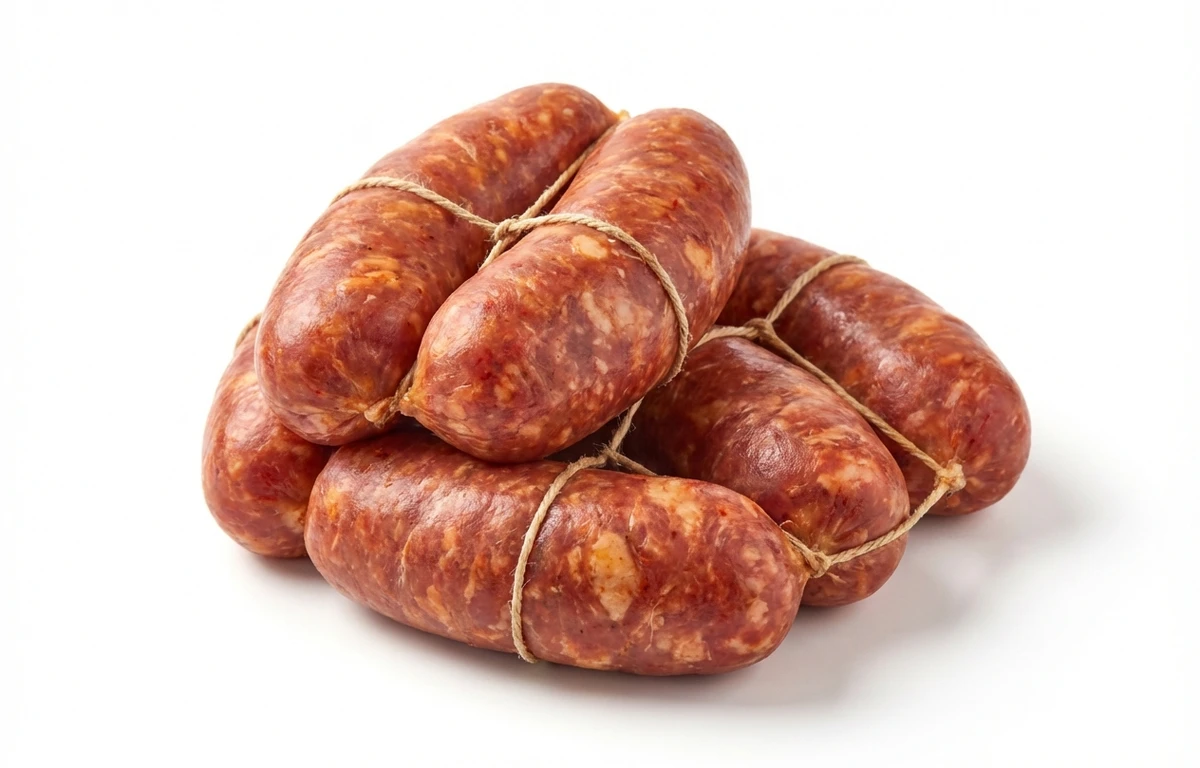
- 1For fresh chorizo, remove the casing before cooking. Crumble and cook in a skillet over medium heat until browned, draining off excess fat.
- 2Slice cured chorizo and pan-fry lightly to render its flavorful, paprika-infused oil, which can then be used to cook other ingredients.
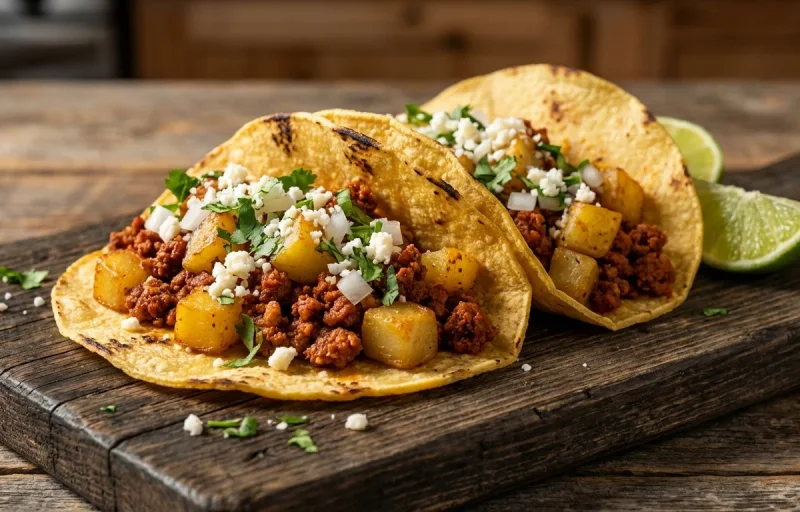
- 3The rendered fat from any chorizo is packed with flavor; use it to sauté onions, garlic, or potatoes for an extra dimension of taste.
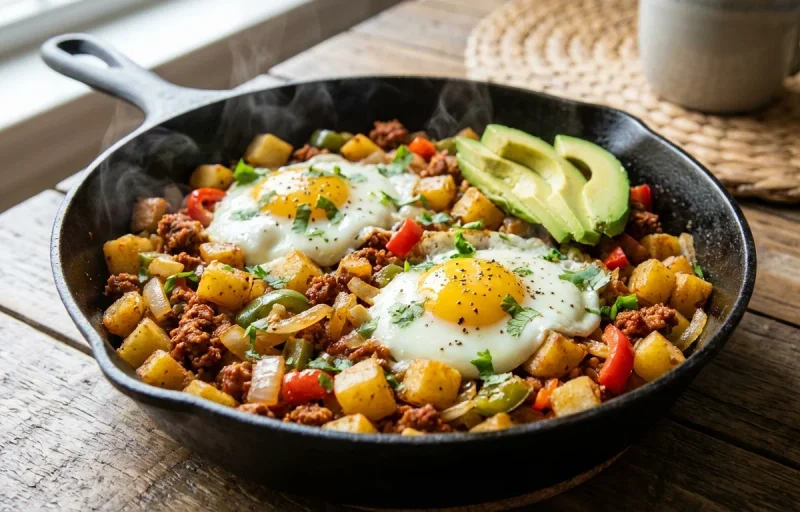
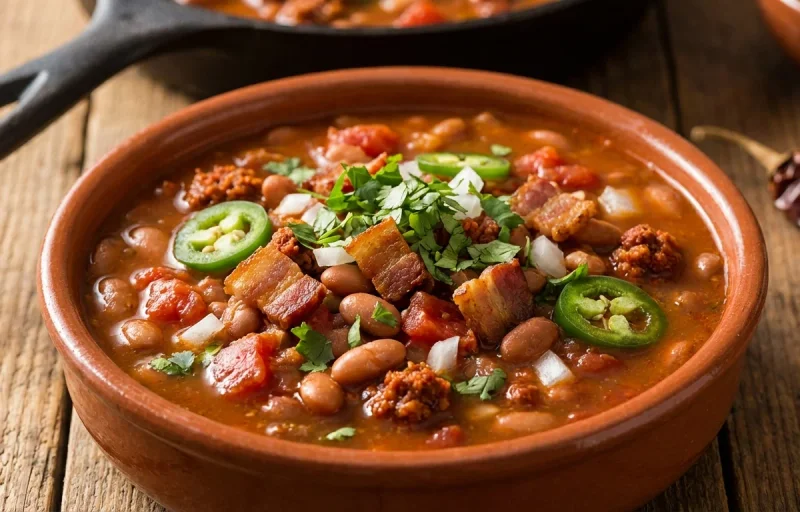
- 4Chorizo pairs exceptionally well with eggs, potatoes, beans, and seafood like shrimp, clams, or mussels.
STORAGE
Keep it fresh.
- Store fresh (Mexican-style) chorizo in the refrigerator and use within one week, or freeze for up to 3 months.
- Keep cured (Spanish-style) chorizo in a cool, dry place like a pantry. Once opened, wrap tightly and refrigerate for up to 3 weeks.
FAQ
Frequently asked questions.
Is chorizo healthy?
Chorizo is a rich source of complete protein and essential B vitamins, but it is also high in calories, sodium, and saturated fat. While it provides beneficial minerals like selenium and metabolism-boosting capsaicin from peppers, it should be consumed in moderation as part of a balanced diet.
How much protein and fat are in chorizo?
A 100g serving of chorizo contains approximately 19.8g of protein and 39.8g of fat. While it is an excellent source of protein for muscle repair, its high fat content contributes to a significant calorie density of about 450 calories per 100g.
Is chorizo keto-friendly?
Yes, chorizo is highly keto-friendly because it is high in fat and very low in carbohydrates, containing only about 2.1g of carbs per 100g. It fits well into a high-fat, low-carb lifestyle, though you should always check labels for any added sugars or fillers.
Is chorizo gluten-free?
While the primary ingredients of meat and spices are naturally gluten-free, some commercial brands may use wheat-based fillers or cross-contaminated spices. Always check the packaging for a gluten-free certification if you have a strict dietary restriction.
What does chorizo taste like?
Chorizo has a bold, savory, and smoky flavor profile with a distinct tang. It is heavily seasoned with garlic and either chili peppers or smoked paprika, which gives it a characteristic deep red color and a spicy, aromatic kick.
RECIPES
Cook with chorizo.
8 recipes · sorted by what’s quick