
Loading...
Per 100g
Nutrition data source: USDA FoodData Central
Common measurement equivalents in grams
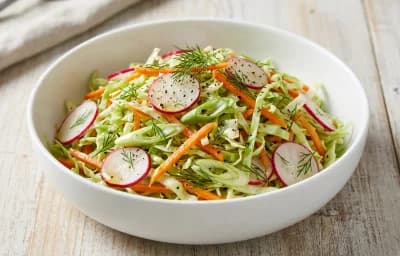
A crisp, vibrant, and refreshing slaw that's a perfect alternative to creamy coleslaw. The tangy apple cider vinegar dressing, sharp radishes, and fresh dill create a bright flavor profile that complements any barbecue, picnic, or light meal.

Crisp, sweet onion rings marinated in a tangy apple cider vinegar dressing with fresh parsley. A perfect, refreshing topping for burgers, grilled meats, or as a simple side for any barbecue.
Due to its high acidity, cider vinegar has an almost indefinite shelf life and does not technically expire, though its appearance may change over time.
The mother is a colony of beneficial bacteria and yeast that gives raw vinegar a cloudy appearance; it is considered the most nutritious part.
Yes, but cider vinegar is milder and fruitier. Use a 1:1 ratio, but expect a sharper, more neutral acidic taste from white vinegar.
No, refrigeration is not necessary. The acidic nature of the vinegar makes it self-preserving.
Look for 'raw', 'unfiltered', and 'unpasteurized' labels, and ensure it contains 'the mother' for maximum health benefits.
Yes, cider vinegar is naturally gluten-free as it is made from fermented apple juice.
Yes, when reacted with baking soda, it creates carbon dioxide bubbles that help vegan or egg-free cakes and breads rise.
It is not recommended to drink it straight as the high acidity can damage tooth enamel and the esophagus; always dilute it in water.
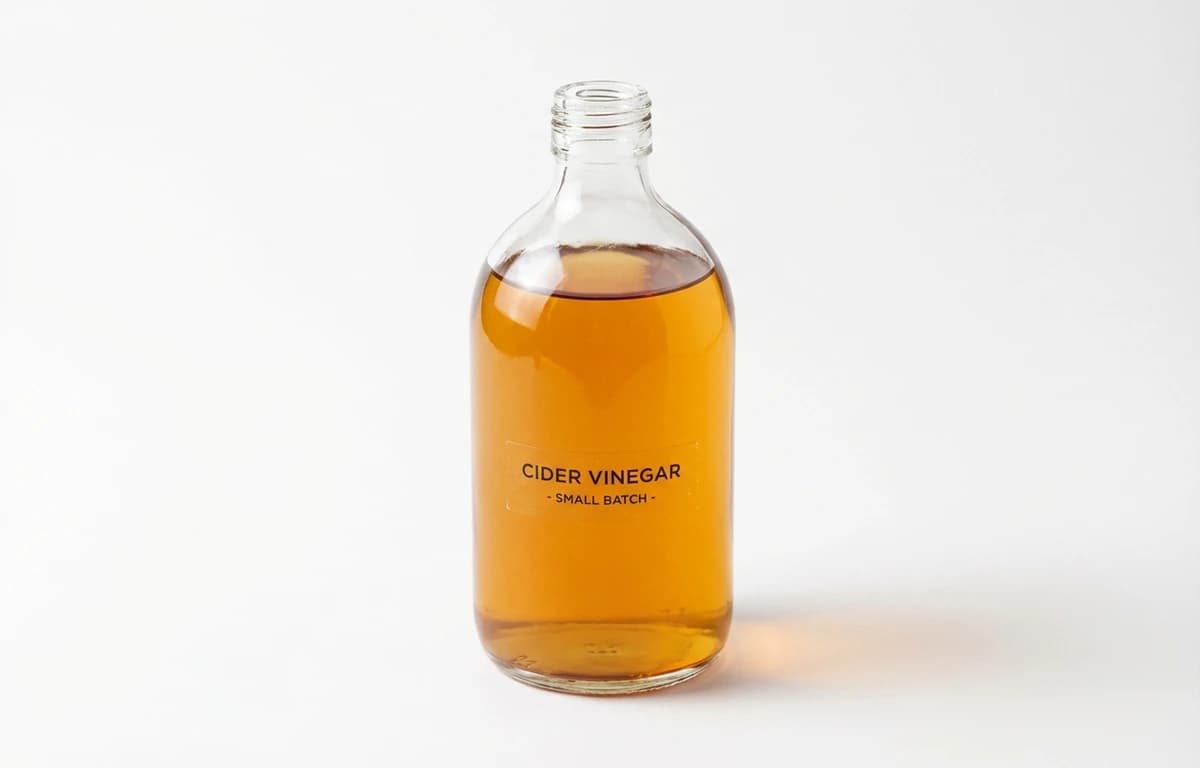
cider vinegar is a versatile ingredient found in cuisines around the world. With 21 calories per 100g and valuable grams of protein, it's a nutritious addition to many dishes.
Explore more ingredients in the condiment category with complete nutrition information.
View all condiment →Discover 0 recipes featuring cider vinegar with step-by-step instructions.
Browse recipes →