Other10 recipes
clams.
VegetarianVeganGluten-freeDairy-freeNut-freePeanut-freeSoy-freeEgg-freeShellfish-freeHoney-freeAlcohol-freeKosher
ALSO KNOWN AS
tisryaclamraw clamshellfish
SERVING
CALORIES
86
PROTEIN
14.7g
CARBS
3.6g
FAT
0.96g
FIBER
0g
This ingredient is flagged as naturally gluten-free. Per 100 g, it provides 0.20 µg of vitamin K.
NUTRITION PROFILE · per 100 g
Everything in this ingredient.
MACRONUTRIENTS
Calories86kcal—
Protein14.7g29%
Carbohydrates3.6g1%
Fiber0g0%
Sugar0g0%
Total fat0.96g1%
Saturated fat0.19g1%
Trans fat0.02g—
Cholesterol30mg10%
Water79g—
MINERALS
Sodium601mg26%
Potassium46mg1%
Calcium39mg3%
Iron1.6mg9%
Magnesium19mg5%
Phosphorus198mg16%
Zinc0.51mg5%
Copper0.05mg6%
Manganese0.09mg4%
Selenium30.6µg56%
VITAMINS
Vitamin A90µg10%
Vitamin C0mg0%
Vitamin D0µg0%
Vitamin E0.68mg5%
Vitamin K0.20µg0%
Thiamin (B1)0.02mg2%
Riboflavin (B2)0.04mg3%
Niacin (B3)0.35mg2%
Pantothenic acid (B5)0.15mg3%
Vitamin B60.01mg1%
Folate (B9)5.0µg1%
Vitamin B1211.3µg470%
%DV based on a 2,000 cal diet. Source: USDA FoodData Central. A dash in the %DV column means there’s no established Daily Value for that nutrient.
MEASUREMENT CONVERSIONS
How much is what.
1 cup227g
1 tablespoon14.2g
1 teaspoon4.7g
1 oz28.4g
1 lb453.6g
1 ml0.9g
1 liter945.8g
HEALTH BENEFITS
Why eat it.
- ✓Excellent source of Vitamin B12, crucial for nerve function, DNA synthesis, and brain health.
COOKING TIPS
In the kitchen.
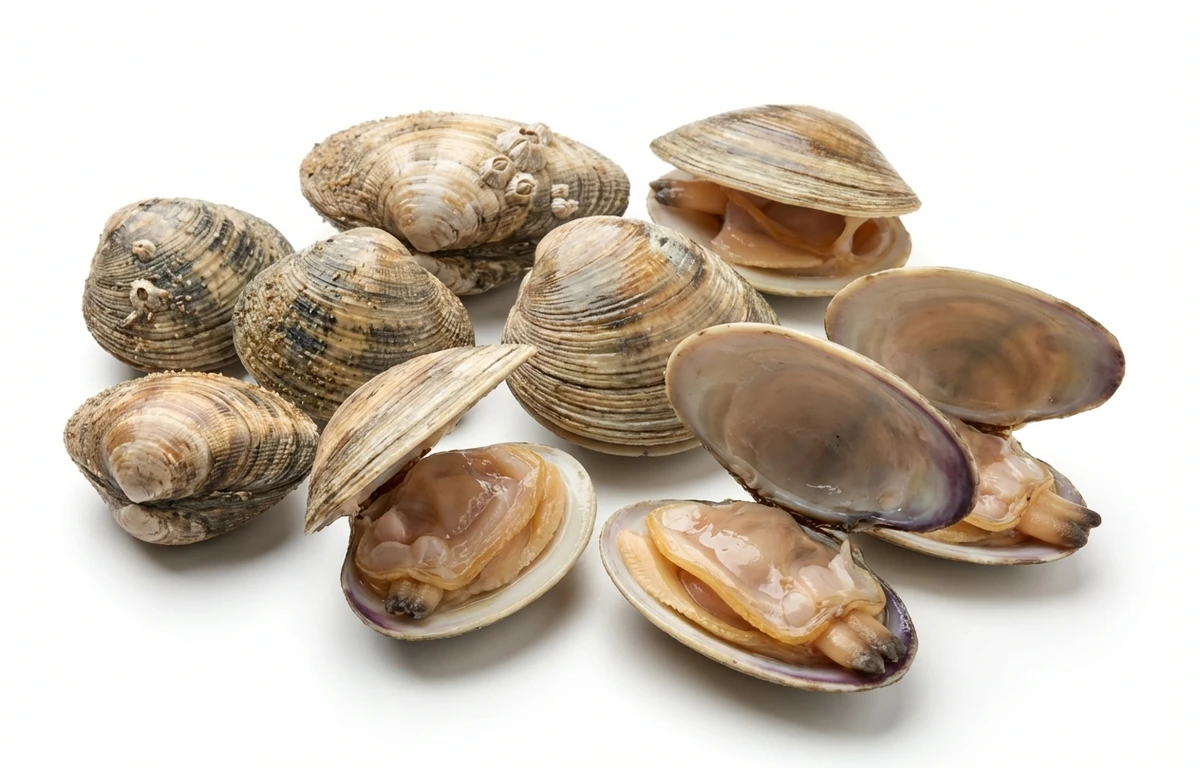
- 1Before cooking, scrub the shells thoroughly under cold running water. Discard any clams with broken shells or any that are open and do not close when tapped.
- 2Cook clams until their shells pop open, which usually takes 5-10 minutes when steaming or boiling. Discard any that remain tightly shut after cooking.
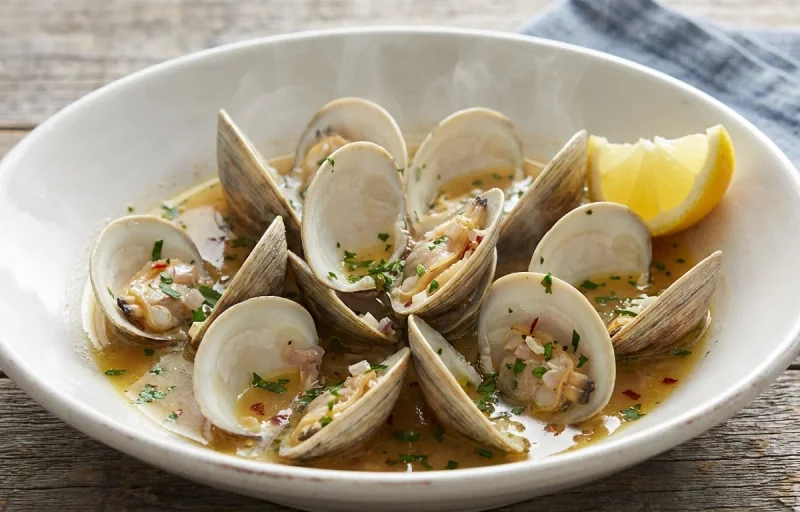
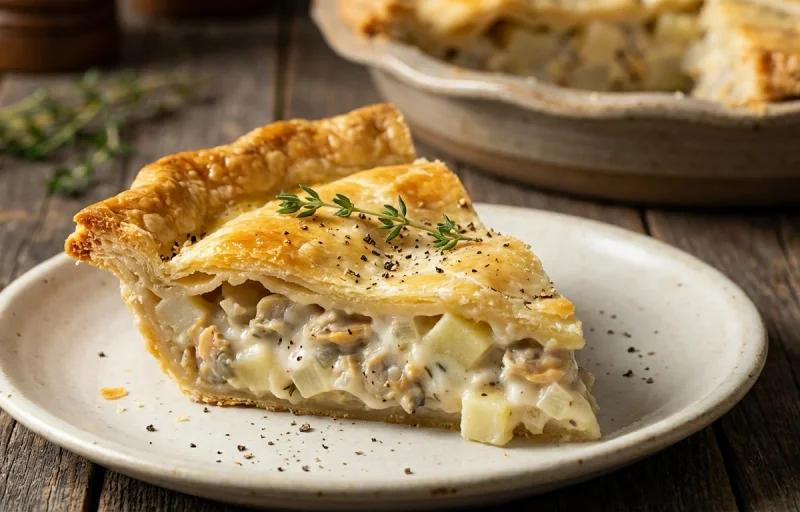
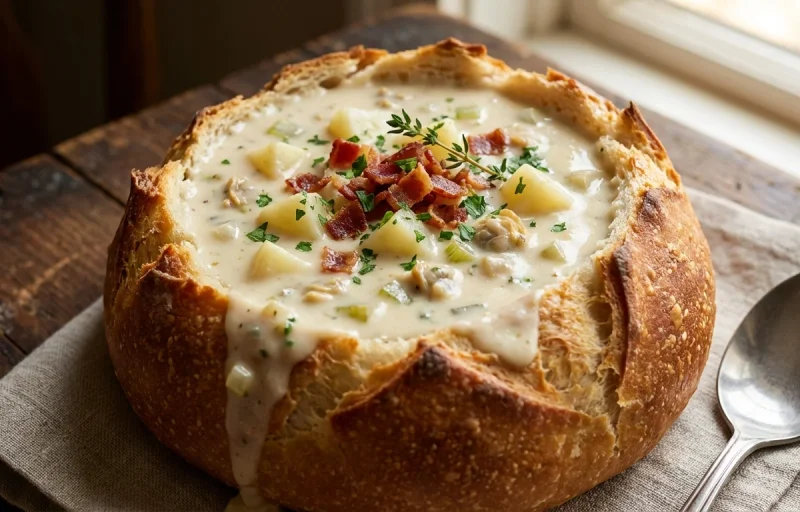
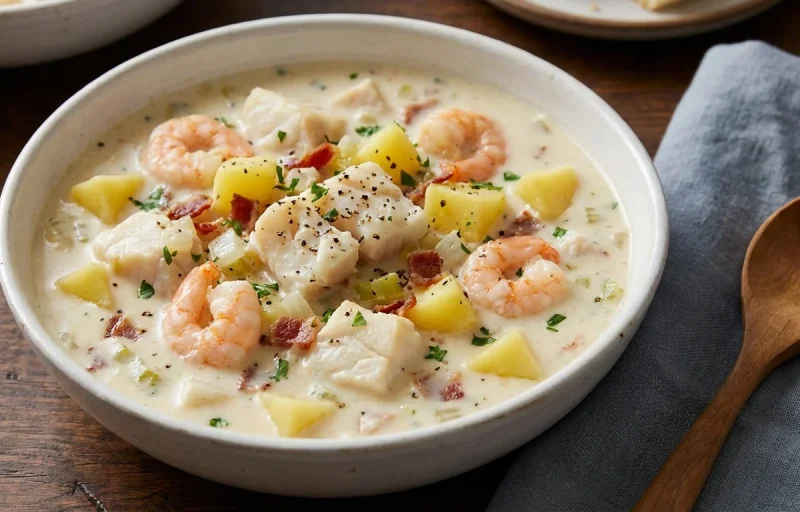
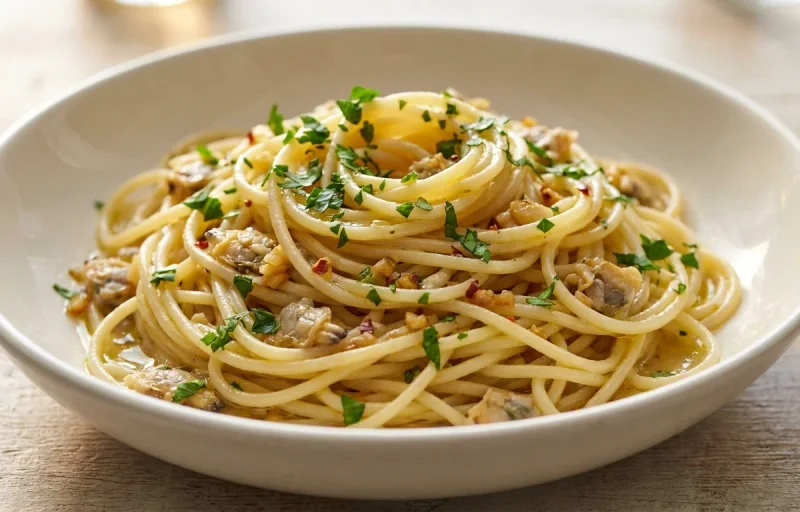
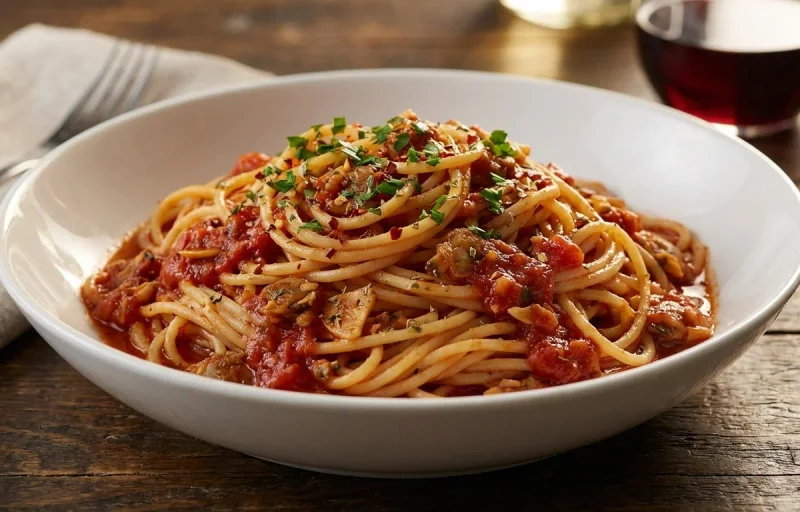
- 3Clams are versatile and can be steamed, grilled, baked, or added to soups (like chowder) and pasta sauces (like spaghetti alle vongole).
- 4Avoid overcooking clams as their texture can become tough and rubbery. Remove them from the heat as soon as their shells open.
STORAGE
Keep it fresh.
- Store live clams in the refrigerator (around 40°F or 4°C) in an open container covered with a damp cloth for up to 2 days. Do not store them in a sealed bag or submerged in water.
- Shucked clams should be kept in a covered container with their liquor in the coldest part of the refrigerator and used within 2-3 days.
FAQ
Frequently asked questions.
How much protein and iron are in clams?
A 100g serving of clams provides approximately 14.67g of lean protein and is one of the best dietary sources of iron available. They also offer significant amounts of selenium and Vitamin B12, making them a nutrient-dense seafood choice.
Are clams keto-friendly?
Yes, clams are keto-friendly as they contain only about 3.57g of carbohydrates per 100g. They are a great way to incorporate high-quality protein and essential minerals into a low-carb or ketogenic lifestyle.
Are clams gluten-free?
In their natural state, clams are 100% gluten-free. However, consumers should be cautious with prepared dishes like clam chowder, fried clams, or stuffed clams, as these often contain flour or breadcrumbs as thickeners or coatings.
Are clams halal or kosher?
Clams are not kosher as Jewish dietary law forbids shellfish. In Islamic dietary law, most schools consider all seafood halal, though the Hanafi school generally considers shellfish like clams to be 'makruh' or prohibited.
How do you clean clams before cooking?
Scrub the shells under cold water to remove debris, then soak them in a bowl of salted cold water for 20-30 minutes. This process, known as purging, allows the clams to spit out any sand or grit trapped inside their shells.
How do you know when clams are finished cooking?
Clams are cooked when their shells pop open, which usually takes 5-10 minutes depending on the heat. You must discard any clams that remain tightly closed after cooking, as they were likely dead before cooking and may be unsafe to eat.
How should fresh clams be stored and how long do they last?
Store live clams in the refrigerator in an open container covered with a damp cloth to keep them moist. Do not store them in airtight bags or submerged in fresh water, and aim to cook them within 1-2 days of purchase.
How can you tell if a raw clam is bad?
Before cooking, tap any open shells; if the shell does not close immediately, the clam is dead and should be thrown away. Additionally, discard any clams with cracked shells or those that have a strong, unpleasant ammonia-like odor.
RECIPES
Cook with clams.
10 recipes · sorted by what’s quick