fruit1 recipes
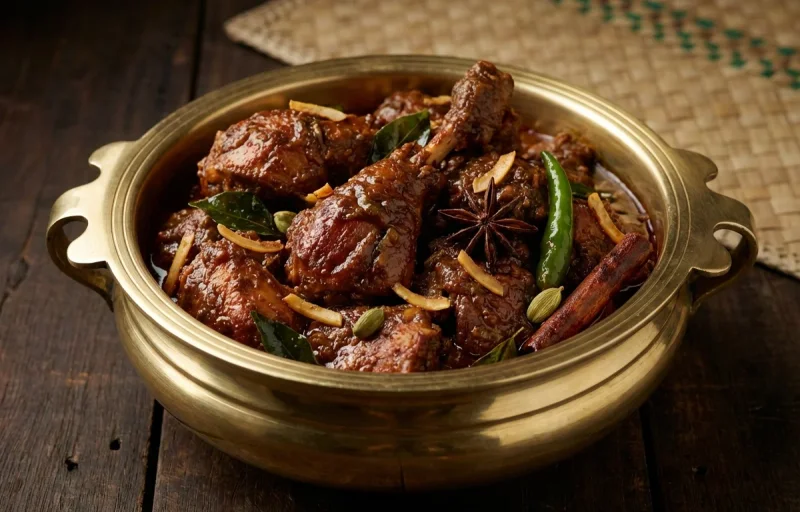
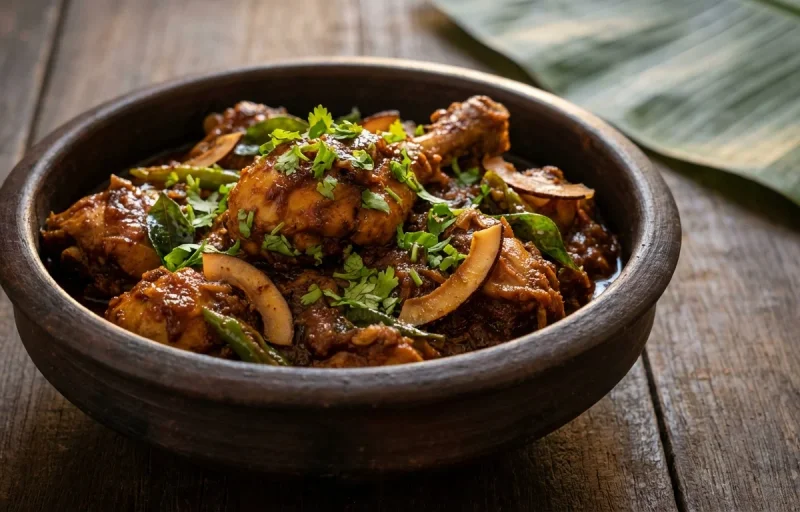
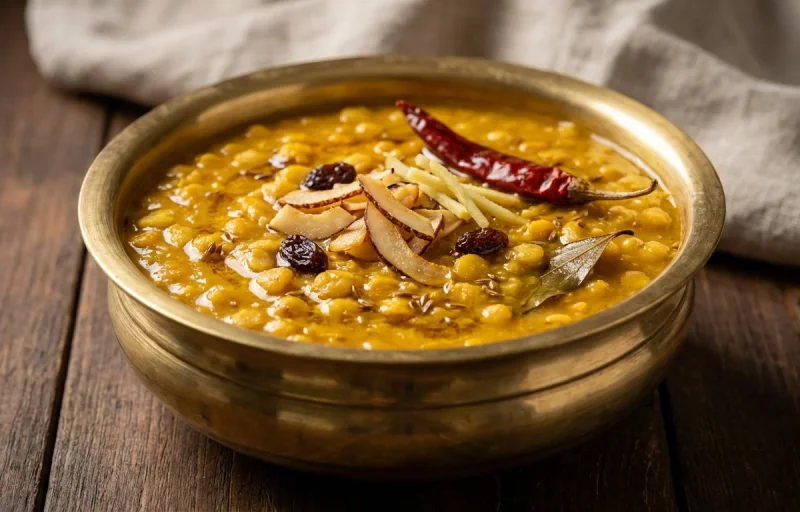
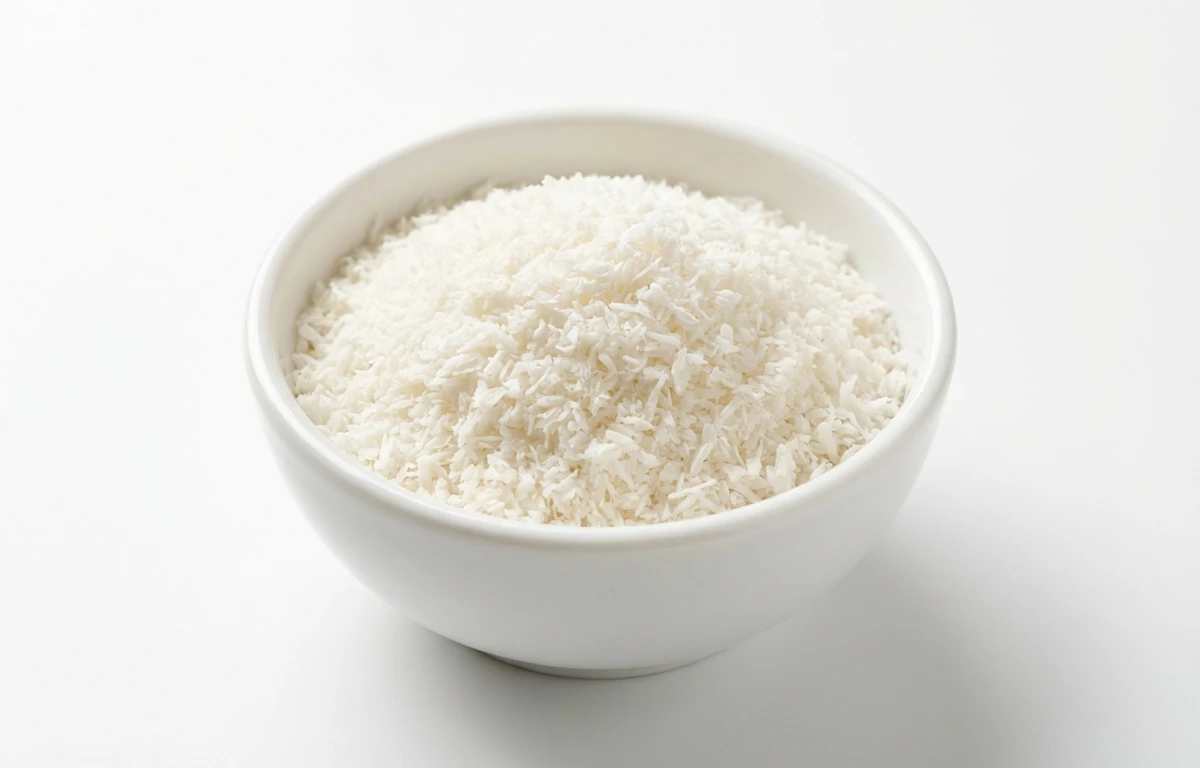
coconut bits.
VegetarianVeganGluten-freeDairy-freeNut-freePeanut-freeSoy-freeEgg-freeShellfish-freeHoney-freeAlcohol-free
SERVING
CALORIES
354
PROTEIN
3.3g
CARBS
15.2g
FAT
33.5g
FIBER
9.0g
NUTRITION PROFILE · per 100 g
Everything in this ingredient.
MACRONUTRIENTS
Calories354kcal—
Protein3.3g7%
Carbohydrates15.2g6%
Fiber9.0g32%
Sugar6.2g12%
Total fat33.5g43%
Saturated fat29.7g149%
Cholesterol0mg0%
Water47g—
MINERALS
Sodium20mg1%
Potassium356mg8%
Calcium14mg1%
Iron2.4mg13%
Magnesium32mg8%
Phosphorus113mg9%
Zinc1.1mg10%
Copper0.40mg44%
Manganese1.5mg65%
Selenium10µg18%
VITAMINS
Vitamin A0µg0%
Vitamin C3.3mg4%
Vitamin D0µg0%
Vitamin E0.20mg1%
Vitamin K0.30µg0%
Thiamin (B1)0.07mg6%
Riboflavin (B2)0.02mg2%
Niacin (B3)0.50mg3%
Pantothenic acid (B5)0.30mg6%
Vitamin B60.05mg3%
Folate (B9)26µg7%
Vitamin B120µg0%
%DV based on a 2,000 cal diet. Source: USDA FoodData Central. A dash in the %DV column means there’s no established Daily Value for that nutrient.
MEASUREMENT CONVERSIONS
How much is what.
1 cup90g
1 tablespoon6g
1 teaspoon2g
1 oz28.4g
1 lb453.6g
HEALTH BENEFITS
Why eat it.
- ✓Rich in healthy fats, including MCTs (medium-chain triglycerides).
- ✓Good source of dietary fiber, aiding digestion.
- ✓Provides essential minerals like manganese, copper, and iron.
- ✓Contains antioxidants that help protect cells from damage.
- ✓May support heart health and blood sugar regulation.
COOKING TIPS
In the kitchen.
- 1Add fresh coconut bits to curries, stews, and stir-fries for a rich, tropical flavor.
- 2Blend into smoothies, shakes, or homemade coconut milk.
- 3Use as a topping for desserts, yogurt, oatmeal, or fruit salads.
STORAGE
Keep it fresh.
- Store fresh coconut bits in an airtight container in the refrigerator for up to 4-5 days.
- For longer storage, freeze coconut bits in a freezer-safe bag for several months.
- If dried, store in a cool, dark, and dry place in an airtight container.
FAQ
Frequently asked questions.
Are coconut bits healthy?
Yes, coconut bits are nutrient-dense and offer several health benefits. They are rich in healthy fats called MCTs, provide essential minerals like manganese and copper, and contain antioxidants. However, because they are high in calories and fat, they should be consumed in moderation as part of a balanced diet.
How many calories and carbs are in coconut bits?
Per 100g, coconut bits contain approximately 354 calories and 15.2g of carbohydrates. They are also high in fat, providing about 33.5g per 100g serving, making them a very energy-dense snack.
Are coconut bits keto-friendly?
Yes, coconut bits are excellent for a keto or low-carb diet. Their high fat content (33.5g per 100g) and relatively low net carb count make them an ideal source of energy for those in ketosis, especially due to their medium-chain triglycerides (MCTs).
Are coconut bits vegan and gluten-free?
Yes, coconut bits are naturally vegan and gluten-free. They are a plant-based fruit product and do not contain any animal derivatives or wheat proteins, making them safe for those with celiac disease or those following a vegan lifestyle.
What do coconut bits taste like?
Coconut bits have a mild, nutty, and naturally sweet flavor with a distinct tropical aroma. Their texture is typically chewy if fresh or slightly crunchy if dried, providing a satisfying mouthfeel when added to dishes.
How can I use coconut bits in cooking?
Coconut bits are highly versatile; you can toss them into granola, yogurt, or smoothies for added texture. They also work well in baked goods like muffins, as a topping for salads, or even stirred into savory dishes like Thai or Indian curries.
How should I store coconut bits?
To maintain freshness and prevent the fats from going rancid, store coconut bits in an airtight container in a cool, dry place. For a longer shelf life, especially in warm climates, it is best to keep them in the refrigerator or freezer.
Are coconut bits good for digestion?
Yes, coconut bits are a good source of dietary fiber. Fiber is essential for aiding digestion, promoting regular bowel movements, and supporting overall gut health.
How do I know if coconut bits have gone bad?
You can tell if coconut bits have spoiled if they develop a sour or soapy smell, which indicates the oils have turned rancid. Additionally, look for any signs of mold or a significant change in color from white to yellow or brown.
Can coconut bits help with weight loss?
While high in calories, the MCTs in coconut bits may help boost metabolism and the high fiber content can increase feelings of fullness. If eaten in controlled portions, they can be a satisfying snack that prevents overeating later in the day.
RECIPES
Cook with coconut bits.
1 recipes · sorted by what’s quick