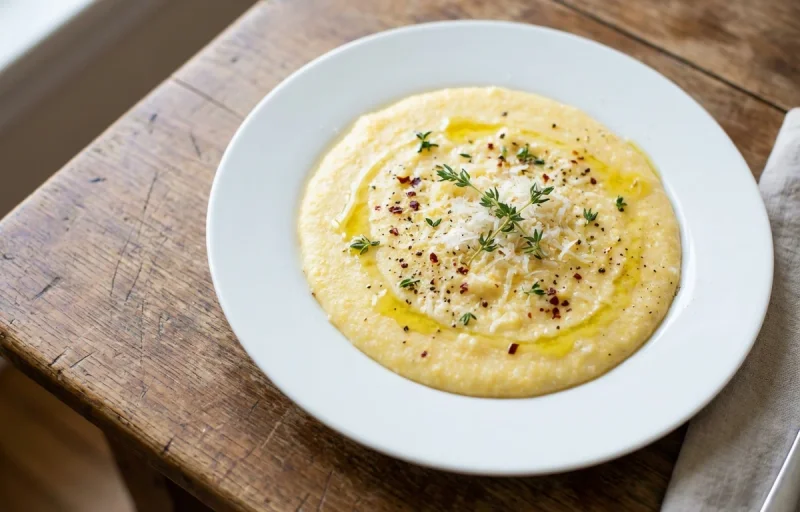
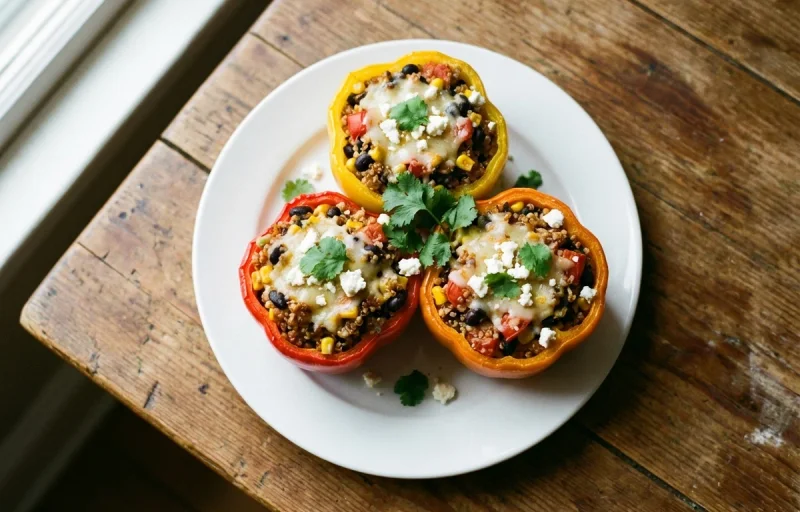
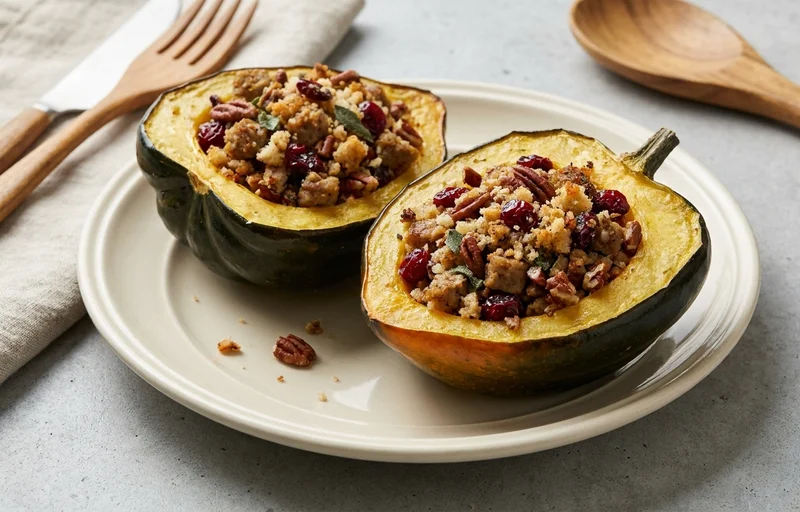
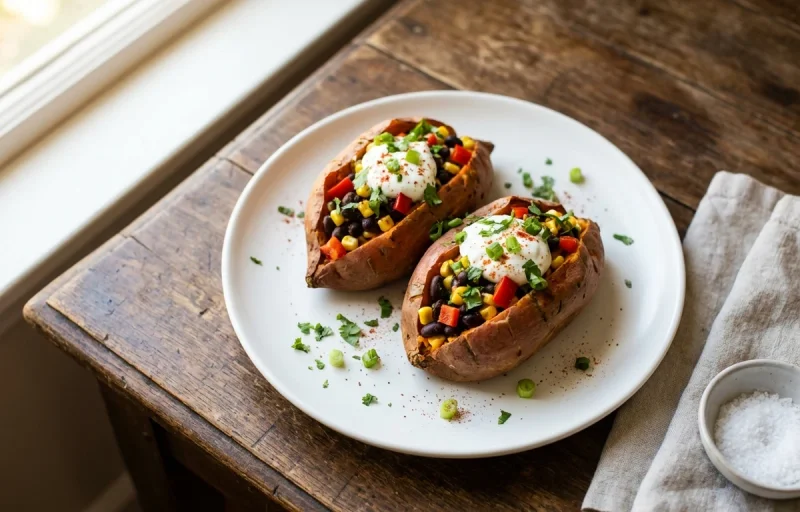
Vegetable10 recipes
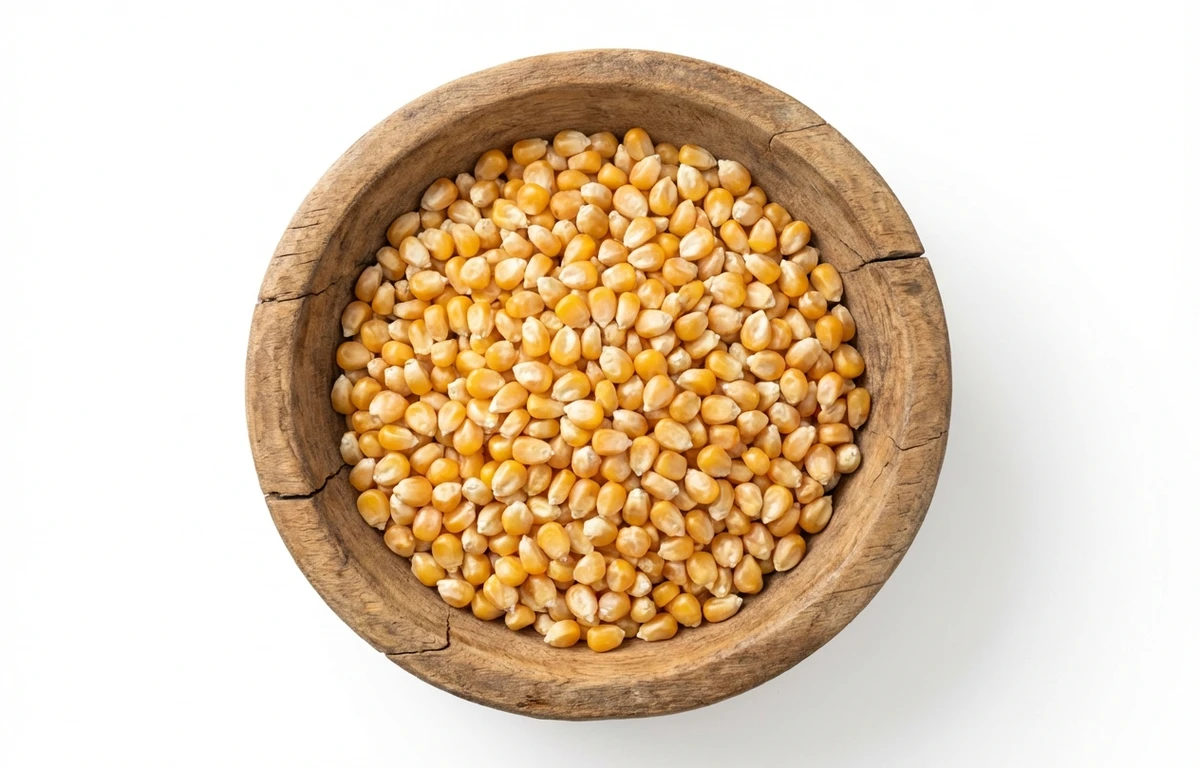
corn.
VegetarianVeganGluten-freeDairy-freeNut-freePeanut-freeSoy-freeEgg-freeShellfish-freeHoney-freeAlcohol-freeWhole grain
ALSO KNOWN AS
corn frozenbhuttasweet cornmaizeMakaicorncanned corn
SERVING
CALORIES
86
PROTEIN
3.3g
CARBS
18.7g
FAT
1.4g
FIBER
2.7g
NUTRITION PROFILE · per 100 g
Everything in this ingredient.
MACRONUTRIENTS
Calories86kcal—
Protein3.3g7%
Carbohydrates18.7g7%
Fiber2.7g10%
Sugar6.3g13%
Total fat1.4g2%
Saturated fat0.21g1%
Cholesterol0mg0%
Water76g—
MINERALS
Sodium15mg1%
Potassium270mg6%
Calcium2.0mg0%
Iron0.52mg3%
Magnesium127mg30%
Phosphorus210mg17%
Zinc2.2mg20%
Copper0.31mg34%
Manganese0.49mg21%
Selenium15.5µg28%
VITAMINS
Vitamin A11µg1%
Vitamin C6.8mg8%
Vitamin D0µg0%
Vitamin E0.49mg3%
Vitamin K0.30µg0%
Thiamin (B1)0.39mg33%
Riboflavin (B2)0.20mg15%
Niacin (B3)3.6mg23%
Pantothenic acid (B5)0.42mg8%
Vitamin B60.62mg36%
Folate (B9)19µg5%
Vitamin B120µg0%
%DV based on a 2,000 cal diet. Source: USDA FoodData Central. A dash in the %DV column means there’s no established Daily Value for that nutrient.
MEASUREMENT CONVERSIONS
How much is what.
1 cup166g
1 tablespoon10.4g
1 teaspoon3.5g
1 oz28.4g
1 lb453.6g
1 ml0.7g
1 liter691.7g
1 piece160g
HEALTH BENEFITS
Why eat it.
- ✓Rich in dietary fiber, which aids digestion and promotes a healthy gut microbiome.
- ✓A good source of antioxidants like lutein and zeaxanthin, which are beneficial for eye health and may reduce the risk of age-related macular degeneration.
- ✓Provides essential vitamins and minerals, including B vitamins (thiamin, niacin), magnesium, and phosphorus, which are important for energy production and bone health.
- ✓Contains complex carbohydrates that provide a steady release of energy.
COOKING TIPS
In the kitchen.
- 1When boiling corn, add it to unsalted boiling water. Salting the water can toughen the kernels. Cook for just 3-5 minutes until tender-crisp.
- 2For grilling, soak the corn in its husk in cold water for at least 15 minutes before placing it on the grill. This steams the kernels and prevents the husks from burning too quickly.
- 3To easily remove kernels from the cob, stand the cob on its end inside a large bowl and use a sharp knife to slice downwards. The bowl will catch the kernels and prevent a mess.
STORAGE
Keep it fresh.
- Store fresh corn on the cob with husks intact in the refrigerator's crisper drawer. For best flavor, consume within 1-3 days as sugars quickly convert to starch.
- For long-term storage, blanch shucked kernels for 2-3 minutes, cool in an ice bath, drain well, and freeze in airtight containers or bags for up to 12 months.
FAQ
Frequently asked questions.
Is corn healthy?
Yes, corn is a nutritious whole grain that provides essential B vitamins, magnesium, and phosphorus. It is rich in dietary fiber for digestive health and contains antioxidants like lutein and zeaxanthin that support eye health.
How many calories and carbs are in corn?
A 100g serving of corn contains approximately 86 calories and 18.7g of carbohydrates. While it is higher in starch than some other vegetables, it provides complex carbohydrates for sustained energy and about 3.27g of protein.
Is corn gluten-free?
Yes, corn is naturally gluten-free. It is a safe and common alternative for individuals with celiac disease or gluten sensitivity, and is frequently used to make gluten-free flour, tortillas, and cornmeal.
Is corn keto-friendly?
Generally, corn is not considered keto-friendly because it is relatively high in carbohydrates and starch. With nearly 19g of carbs per 100g, it can quickly exceed the daily carbohydrate limits of a strict ketogenic diet.
What are the benefits of corn for eye health?
Corn is a significant source of the carotenoids lutein and zeaxanthin. These specific antioxidants help protect the eyes from oxidative damage and may reduce the risk of age-related macular degeneration.
How do you cook fresh corn on the cob?
Fresh corn can be boiled in salted water for 3-5 minutes, grilled for 10-15 minutes until slightly charred, or steamed. You can also microwave it in its husk for about 4 minutes for a quick and easy preparation.
Can you eat corn raw?
Yes, very fresh sweet corn can be eaten raw. It has a milky, sweet flavor and a crunchy texture that works well in salads or salsas, though cooking it can help soften the fiber for easier digestion.
How do you store fresh corn to keep it sweet?
Store fresh corn in its husk in the refrigerator to slow down the process of sugar turning into starch. It is best consumed within 1-2 days of purchase to ensure the sweetest flavor and best texture.
How can you tell if corn has gone bad?
Spoiled corn may have a slimy texture, a sour or fermented smell, or visible mold on the kernels. If the kernels appear shriveled, dry, or dark brown, the corn is likely past its peak freshness and will not taste good.
Is corn a vegetable or a grain?
Corn is unique because it is botanically a grain, but it is often prepared and consumed as a starchy vegetable. When harvested while the kernels are soft and juicy, it is treated as a vegetable; when harvested dry, it is considered a cereal grain.
RECIPES
Cook with corn.
10 recipes · sorted by what’s quick