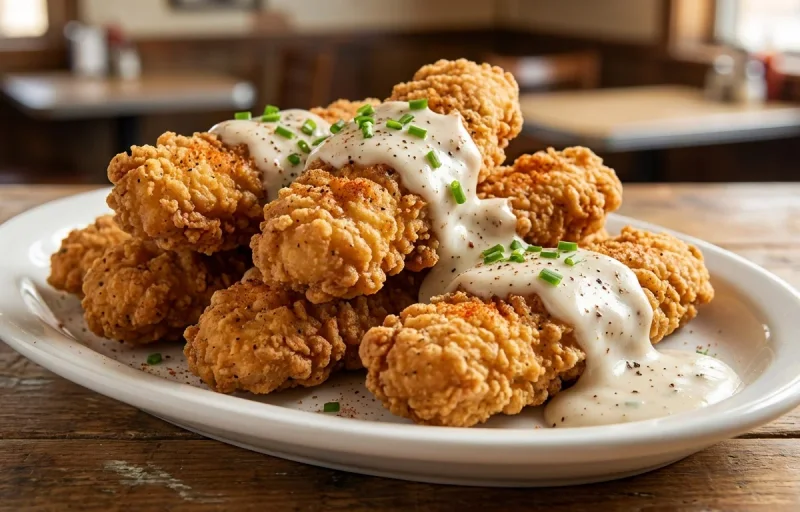
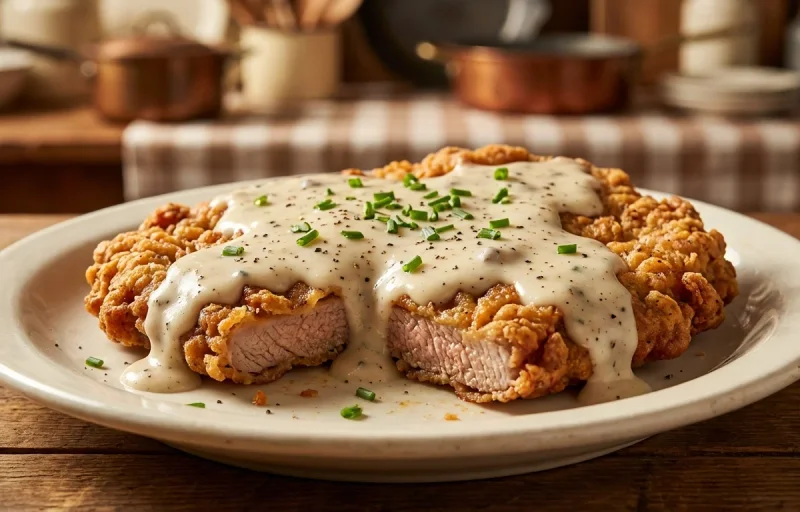
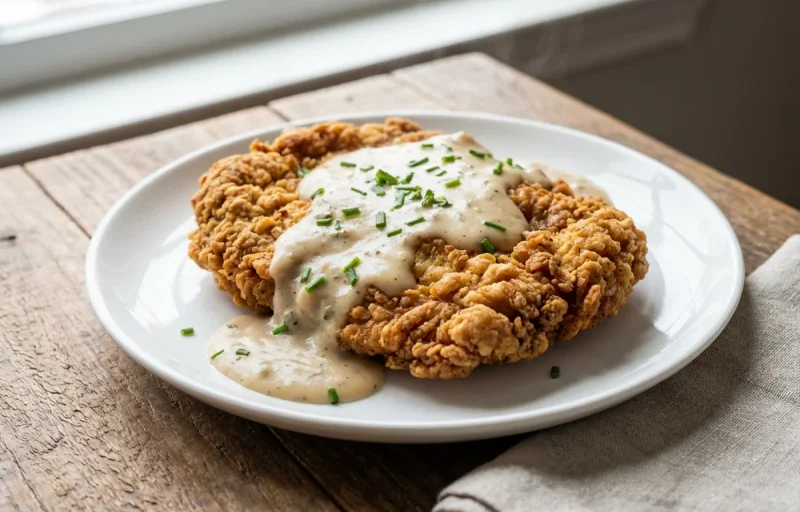
Protein3 recipes
cube steak.
VegetarianVeganGluten-freeDairy-freeNut-freePeanut-freeSoy-freeEgg-freeShellfish-freeHoney-freeAlcohol-free
ALSO KNOWN AS
cubed steakminute steaktenderized steakbucket steak
SERVING
CALORIES
160
PROTEIN
23g
CARBS
0g
FAT
7.0g
FIBER
0g
NUTRITION PROFILE · per 100 g
Everything in this ingredient.
MACRONUTRIENTS
Calories160kcal—
Protein23g46%
Carbohydrates0g0%
Fiber0g0%
Sugar0g0%
Total fat7.0g9%
Saturated fat2.8g14%
Trans fat0.30g—
Cholesterol65mg22%
Water69g—
MINERALS
Sodium55mg2%
Potassium320mg7%
Calcium12mg1%
Iron2.4mg13%
Magnesium21mg5%
Phosphorus195mg16%
Zinc4.8mg44%
Copper0.08mg9%
Manganese0.01mg0%
Selenium22.5µg41%
VITAMINS
Vitamin A0µg0%
Vitamin C0mg0%
Vitamin D0.10µg1%
Vitamin E0.20mg1%
Vitamin K1.2µg1%
Thiamin (B1)0.08mg7%
Riboflavin (B2)0.18mg14%
Niacin (B3)5.2mg33%
Pantothenic acid (B5)0.35mg7%
Vitamin B60.40mg24%
Folate (B9)7.0µg2%
Vitamin B122.1µg88%
%DV based on a 2,000 cal diet. Source: USDA FoodData Central. A dash in the %DV column means there’s no established Daily Value for that nutrient.
MEASUREMENT CONVERSIONS
How much is what.
1 cup248g
1 tablespoon15.6g
1 teaspoon5.2g
1 oz28.4g
1 lb453.6g
1 ml1.1g
1 liter1050g
1 piece142g
HEALTH BENEFITS
Why eat it.
- ✓Excellent source of high-quality complete protein
- ✓Rich in Vitamin B12 for nerve function
- ✓Provides bioavailable heme iron to prevent anemia
- ✓High in zinc for immune system support
- ✓Contains selenium, a powerful antioxidant
COOKING TIPS
In the kitchen.
- 1Cook quickly over high heat to prevent the lean meat from drying out
- 2Ideal for braising or 'Swissing' to further tenderize the fibers
- 3Dredge in flour before pan-frying for a classic chicken-fried steak texture
STORAGE
Keep it fresh.
- Store in the coldest part of the refrigerator for 3 to 5 days
- Freeze in airtight, moisture-proof wrap for 6 to 12 months
- Keep in original packaging until ready to use to minimize handling
FAQ
Frequently asked questions.
What exactly is cube steak?
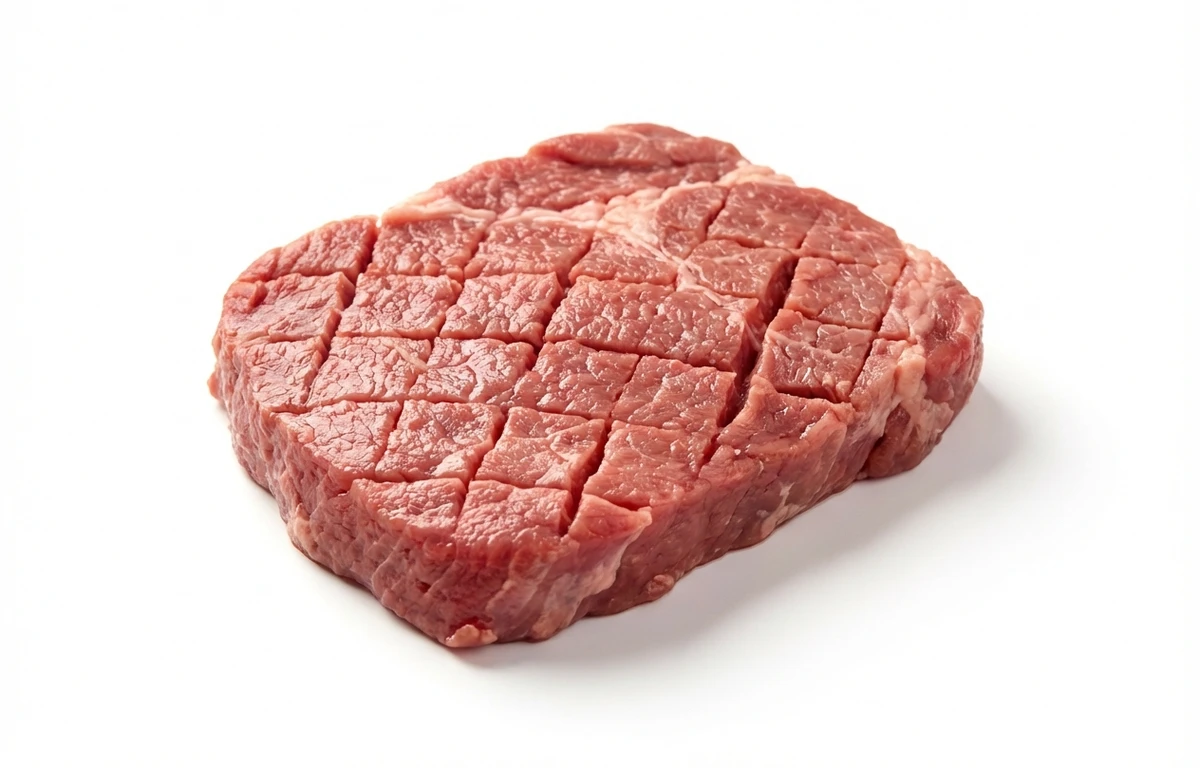
Cube steak is a cut of beef, usually from the top round or top sirloin, that has been mechanically tenderized by a machine that leaves characteristic cube-shaped indentations.
How long does cube steak last in the fridge?
Raw cube steak typically lasts 3 to 5 days in the refrigerator if kept at or below 40°F (4°C).
Can I freeze cube steak?
Yes, it freezes very well. For best quality, use within 6 to 12 months, though it remains safe indefinitely if kept frozen at 0°F.
What is the best way to cook cube steak so it isn't tough?
The best methods are either very fast (pan-searing for 2-3 minutes per side) or very slow (braising in liquid for 1-2 hours).
Is cube steak the same as Salisbury steak?
No. Cube steak is a whole cut of tenderized beef, while Salisbury steak is a patty made from ground beef and other ingredients.
What can I substitute for cube steak?
Round steak (tenderized manually with a mallet), flank steak, or even high-quality ground beef patties can work depending on the recipe.
Is cube steak lean?
Yes, because it is usually cut from the round or sirloin, it is a relatively lean cut of beef compared to ribeye or T-bone.
Do I need to wash cube steak before cooking?
No, you should not wash meat. Washing can spread bacteria to your sink and surfaces; cooking to the proper internal temperature kills any bacteria.
What are common dishes made with cube steak?
The most popular dishes include Chicken Fried Steak, Swiss Steak, and steak fingers.
How do I know if cube steak has gone bad?
Signs of spoilage include a sour or ammonia-like smell, a slimy texture, or a distinct grey or greenish color change.
RECIPES
Cook with cube steak.
3 recipes · sorted by what’s quick