Other8 recipes
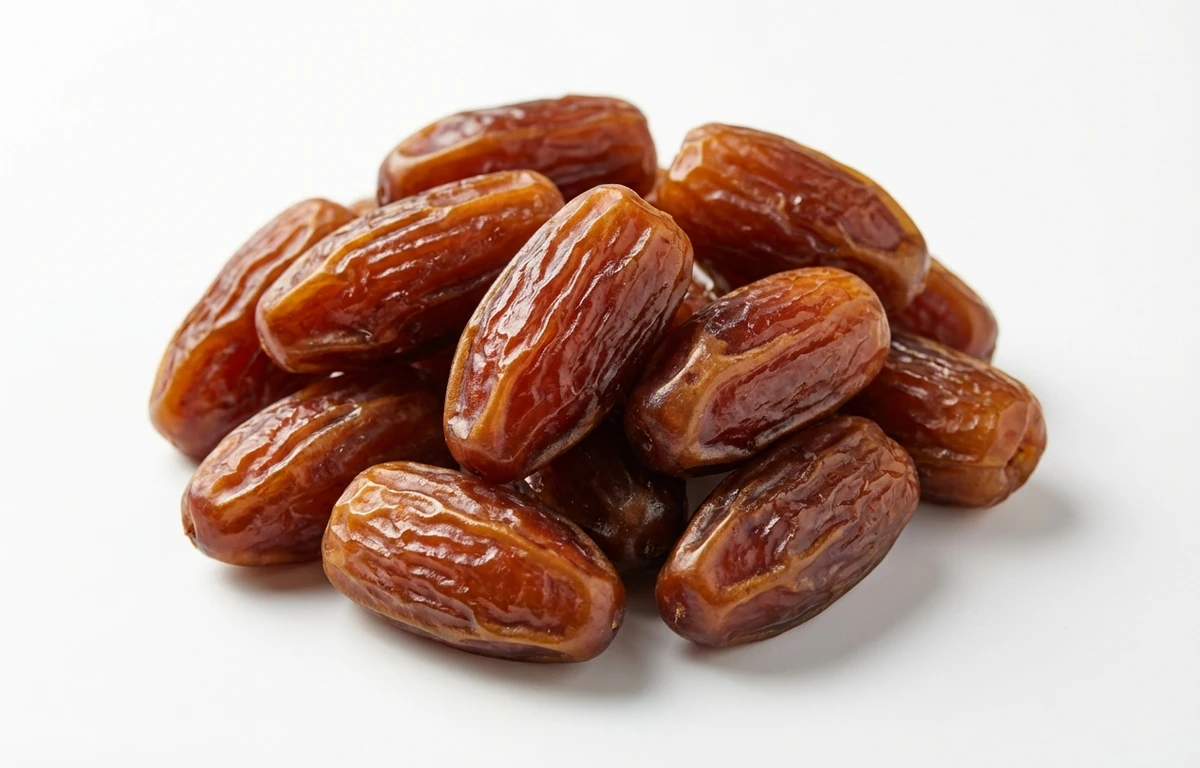
dates.
VegetarianVeganGluten-freeDairy-freeNut-freePeanut-freeSoy-freeEgg-freeShellfish-freeHoney-freeAlcohol-free
ALSO KNOWN AS
khajoordates pitted
SERVING
CALORIES
277
PROTEIN
1.8g
CARBS
75g
FAT
0.15g
FIBER
6.7g
NUTRITION PROFILE · per 100 g
Everything in this ingredient.
MACRONUTRIENTS
Calories277kcal—
Protein1.8g4%
Carbohydrates75g27%
Fiber6.7g24%
Sugar66.5g133%
Total fat0.15g0%
Saturated fat0.03g0%
Trans fat0g—
Water21.3g—
MINERALS
Sodium1.0mg0%
Potassium696mg15%
Calcium64mg5%
Iron0.90mg5%
Magnesium54mg13%
Phosphorus62mg5%
Zinc0.44mg4%
Copper0.36mg40%
Manganese0.30mg13%
VITAMINS
Vitamin A7.0µg1%
Vitamin C0mg0%
Vitamin D0µg0%
Vitamin K2.7µg2%
Thiamin (B1)0.05mg4%
Riboflavin (B2)0.06mg5%
Niacin (B3)1.6mg10%
Pantothenic acid (B5)0.81mg16%
Vitamin B60.25mg15%
Folate (B9)15µg4%
%DV based on a 2,000 cal diet. Source: USDA FoodData Central. A dash in the %DV column means there’s no established Daily Value for that nutrient.
MEASUREMENT CONVERSIONS
How much is what.
1 cup177g
1 tablespoon11.1g
1 teaspoon3.7g
1 ml0.7g
1 liter737.5g
1 piece15g
HEALTH BENEFITS
Why eat it.
- ✓High in dietary fiber, which aids digestion and helps prevent constipation.
- ✓Rich source of antioxidants, including flavonoids, carotenoids, and phenolic acid, which help combat oxidative stress.
- ✓Provides a quick source of natural energy due to high levels of fructose and glucose.
- ✓Good source of essential minerals like potassium, magnesium, and copper, which support heart health and bone density.
COOKING TIPS
In the kitchen.
- 1Soak dried, pitted dates in hot water for 10-15 minutes to soften them for easier blending into smoothies, sauces, or date paste.
- 2Use finely chopped dates as a natural sweetener in oatmeal, yogurt, salads, or baked goods like muffins and breads.
- 3Create a simple appetizer or snack by stuffing pitted dates with nuts (like almonds), cheese (like goat cheese), or nut butter.
- 4Make a healthy sugar substitute by blending soaked dates into a smooth paste, which can be used in a 1:1 ratio for sugar in many recipes.
STORAGE
Keep it fresh.
- Store fresh dates in an airtight container in the refrigerator for up to 6 months.
- Keep dried dates in a cool, dark pantry for several months, or refrigerate in an airtight container for up to a year to maintain freshness.
- For long-term storage, dates can be frozen in a freezer-safe bag for over a year.
FAQ
Frequently asked questions.
Are dates healthy? What are the health benefits?
Yes, dates are very healthy. They are rich in dietary fiber, which aids digestion and helps prevent constipation. Dates also provide a good source of antioxidants like flavonoids, carotenoids, and phenolic acid, which help combat oxidative stress. They are also a good source of essential minerals such as potassium, magnesium, and copper, supporting heart health and bone density.
How much sugar and calories are in dates?
Dates are naturally high in sugar, primarily fructose and glucose, providing a quick energy boost. Per 100g, dates contain approximately 74.97g of carbohydrates, almost all of which are natural sugars, and about 277 calories. While nutritious, their high sugar content means they should be consumed in moderation.
Are dates good for weight loss?
Dates can be part of a weight-loss diet when consumed in moderation. Their high fiber content can promote satiety and aid digestion, which can be beneficial. However, they are calorie-dense (277 calories per 100g), so overconsumption can lead to weight gain. Portion control is key.
Are dates vegan and gluten-free?
Yes, dates are naturally vegan as they are a fruit and contain no animal products. They are also naturally gluten-free, making them suitable for individuals with celiac disease or gluten sensitivity.
Can diabetics eat dates?
Diabetics can eat dates, but in very small, controlled portions due to their high natural sugar content and moderate glycemic index. It's best to consume them with a source of protein or fat to help slow sugar absorption, and always monitor blood sugar levels. Consulting a healthcare professional or dietitian is recommended.
Are dates keto-friendly?
No, dates are generally not considered keto-friendly. With approximately 74.97g of carbohydrates per 100g, they are very high in sugar and carbs, which would quickly exceed the strict daily carbohydrate limits of a ketogenic diet.
How are dates commonly used in cooking?
Dates are incredibly versatile in cooking. They are often used as a natural sweetener in smoothies, energy bars, and baked goods. They can also be chopped and added to salads, oatmeal, or yogurt, or stuffed with nuts and cheese for a savory appetizer. Date paste is a popular sugar substitute.
What do dates taste like?
Dates have a distinctively sweet, rich, and caramel-like flavor with a chewy, slightly sticky texture. The taste can vary slightly depending on the variety, with some being softer and sweeter (like Medjool) and others firmer and less intensely sweet (like Deglet Noor).
How should dates be stored to keep them fresh?
Fresh dates can be stored at room temperature in an airtight container for about a week. For longer storage, refrigerate them in a sealed bag or container, where they can last for several weeks to a few months. For extended freshness, dates can be frozen for up to a year.
How do you know if dates are fresh or spoiled?
Fresh dates should be plump, soft, and have a slightly wrinkled but not shriveled skin. They should smell sweet. If dates appear overly hard, shriveled, have a sour or fermented smell, or show any signs of mold, they are likely spoiled and should be discarded.
RECIPES
Cook with dates.
8 recipes · sorted by what’s quick