Protein7 recipes
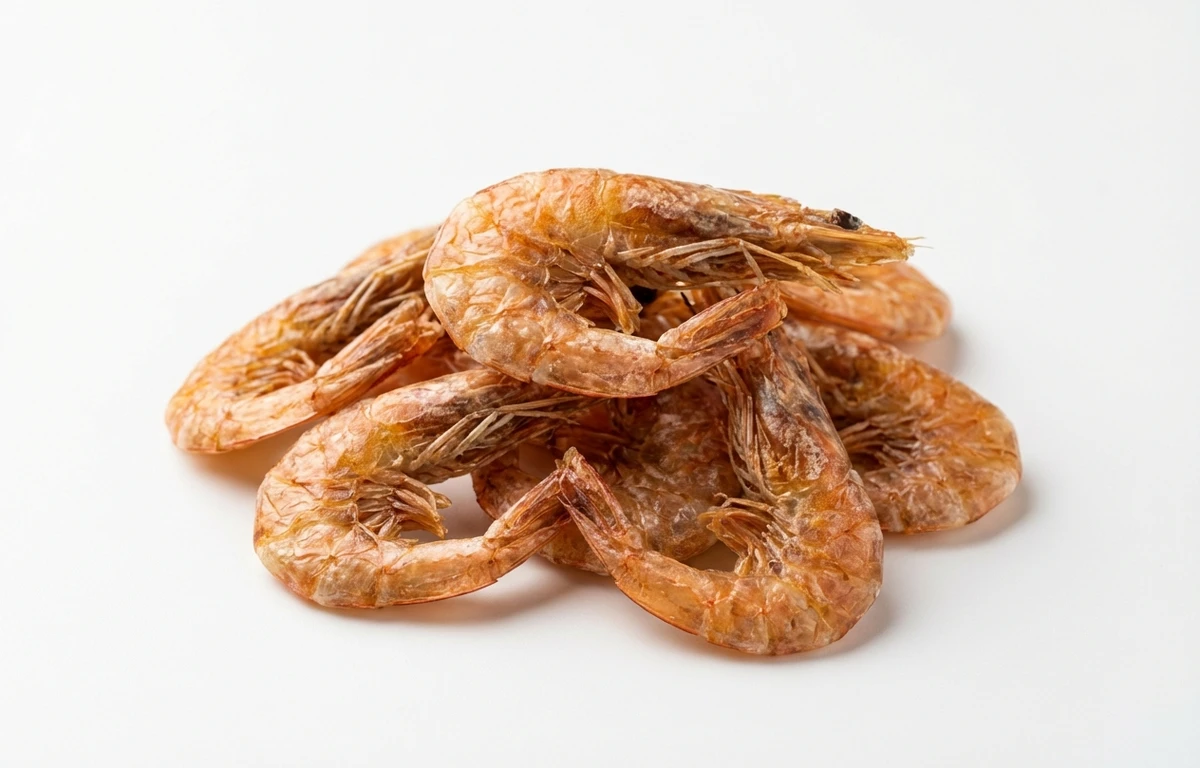
dried prawns.
VegetarianVeganGluten-freeDairy-freeNut-freePeanut-freeSoy-freeEgg-freeShellfish-freeHoney-freeAlcohol-freeKosher
ALSO KNOWN AS
dried prawnsdried shrimpsukha jhingaunakka chemmeensoda jhingadried camarondried gambasshrimp jerky
SERVING
CALORIES
253
PROTEIN
62.4g
CARBS
1.2g
FAT
3.1g
FIBER
0g
NUTRITION PROFILE · per 100 g
Everything in this ingredient.
MACRONUTRIENTS
Calories253kcal—
Protein62.4g125%
Carbohydrates1.2g0%
Fiber0g0%
Sugar0g0%
Total fat3.1g4%
Saturated fat0.80g4%
Trans fat0g—
Cholesterol550mg183%
Water15g—
MINERALS
Sodium2200mg96%
Potassium250mg5%
Calcium1100mg85%
Iron7.5mg42%
Magnesium120mg29%
Phosphorus650mg52%
Zinc4.2mg38%
Copper0.50mg56%
Manganese0.10mg4%
Selenium65µg118%
VITAMINS
Vitamin A30µg3%
Vitamin C0mg0%
Vitamin D0.50µg3%
Vitamin E2.5mg17%
Vitamin K0.10µg0%
Thiamin (B1)0.05mg4%
Riboflavin (B2)0.10mg8%
Niacin (B3)4.5mg28%
Pantothenic acid (B5)0.40mg8%
Vitamin B60.20mg12%
Folate (B9)10µg3%
Vitamin B125.5µg229%
%DV based on a 2,000 cal diet. Source: USDA FoodData Central. A dash in the %DV column means there’s no established Daily Value for that nutrient.
MEASUREMENT CONVERSIONS
How much is what.
1 cup55g
1 tablespoon4.5g
1 teaspoon1.5g
1 oz28.4g
1 lb453.6g
1 piece0.2g
HEALTH BENEFITS
Why eat it.
- ✓Extremely high protein content for muscle repair and growth
- ✓Excellent source of calcium for maintaining bone density
- ✓Rich in selenium, which supports immune function and thyroid health
- ✓Provides essential Omega-3 fatty acids for heart health
- ✓High in Vitamin B12, crucial for nerve function and red blood cell production
COOKING TIPS
In the kitchen.
- 1Soak in warm water for 15-20 minutes to rehydrate and soften before adding to dishes
- 2Rinse thoroughly multiple times to remove grit and reduce the high salt content
- 3Briefly fry in a small amount of oil to release a deep, savory umami aroma
STORAGE
Keep it fresh.
- Store in an airtight container in a cool, dry place for up to 6 months
- Refrigerate in a sealed bag to maintain color and prevent the smell from spreading
- Can be frozen in vacuum-sealed bags for up to 12 months without loss of quality
FAQ
Frequently asked questions.
How long do dried prawns last?
When stored in an airtight container in a cool, dry place, they last about 6 months. Refrigeration or freezing can extend this to a year.
Do I need to wash dried prawns before using?
Yes, it is highly recommended to rinse them several times to remove sand, grit, and excess salt used during the preservation process.
Can dried prawns be eaten raw?
While they are technically cured, they are very tough and salty. They are best enjoyed after soaking and cooking in stir-fries, soups, or stews.
What is a good substitute for dried prawns?
Dried shrimp paste (belacan/kapi) or fish sauce can provide a similar umami depth, though they lack the texture of the whole prawn.
How do I pick the best quality dried prawns?
Look for prawns with a bright orange or pinkish hue. Avoid those that look grey, dull, or have visible white mold spots.
Why are dried prawns so salty?
Salt is used as a natural preservative during the drying process to prevent spoilage and inhibit bacterial growth.
Are dried prawns healthy?
They are very high in protein and minerals like calcium, but they are also high in sodium and cholesterol, so they should be consumed in moderation.
How do I soften dried prawns quickly?
Soaking them in hot (but not boiling) water for 10-15 minutes is the fastest way to rehydrate them for cooking.
What are common dishes that use dried prawns?
They are staples in Asian and coastal cuisines, used in Pad Thai, XO sauce, shrimp balchão, and various sambals or chutneys.
Can I freeze dried prawns?
Yes, freezing is an excellent way to preserve their flavor and prevent them from becoming rancid in humid climates.
RECIPES
Cook with dried prawns.
7 recipes · sorted by what’s quick