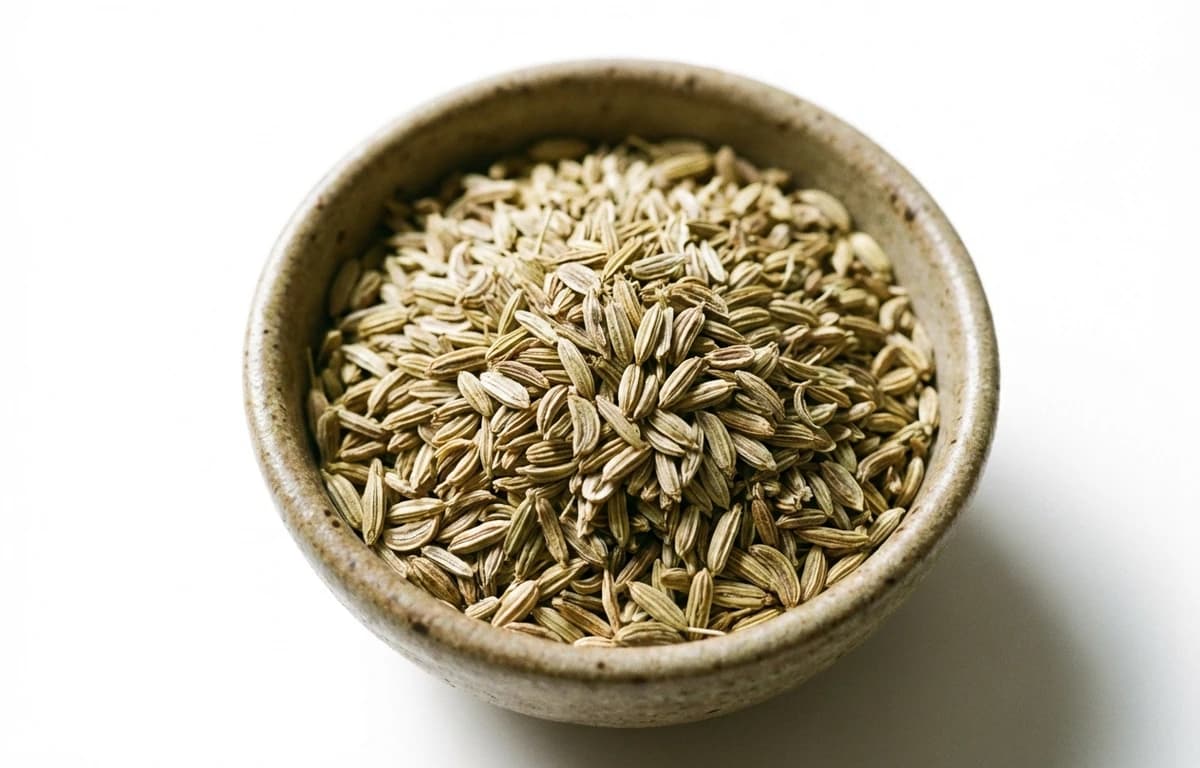
fennel seed
Also known as: saunf, variyali
Loading...
Also known as: saunf, variyali
Per 100g
Nutrition data source: USDA FoodData Central
Common measurement equivalents in grams
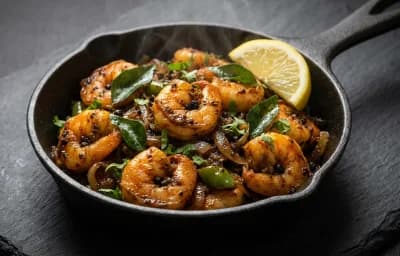
Succulent prawns tossed in a fiery, aromatic blend of freshly ground black pepper and fennel seeds. This quick South Indian stir-fry is a seafood lover's dream, ready in under 30 minutes and perfect as an appetizer or a side dish with rice.
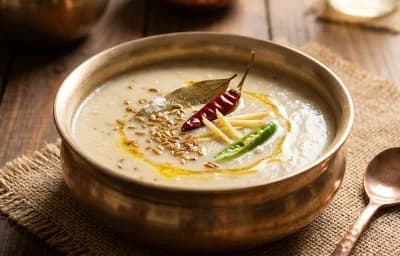
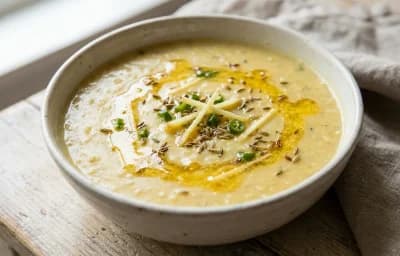
A light and fragrant Bengali lentil soup made with split urad dal. It's subtly flavored with fennel seeds and ginger, offering a comforting and unique taste that pairs perfectly with steamed rice.
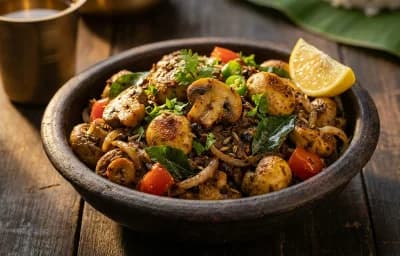
Earthy mushrooms tossed in a fiery, aromatic blend of freshly cracked black pepper and fennel seeds. This quick South Indian stir-fry is a perfect side dish for rice or roti, ready in under 30 minutes.
Whole fennel seeds can last up to 2 years if stored in a cool, dark place in an airtight container. Ground fennel loses its flavor much faster, typically within 6 months.
Look for seeds that are bright green in color rather than dull grey or brown. They should have a very strong, sweet, licorice-like aroma when crushed.
Anise seeds are the closest substitute. Star anise (crushed) or caraway seeds can also work, though caraway is less sweet and more earthy.
No, dried spices like fennel seeds do not need washing. If they appear dusty, you can quickly rinse and pat dry, but it is generally not recommended as it removes oils.
No, they come from different plants. Fennel seeds are larger and milder, while anise seeds are smaller and have a much more intense licorice flavor.
Yes, they are commonly eaten raw as a mouth freshener and digestive aid after meals, especially in Indian culture (Saunf).
You can, but it is unnecessary if they are kept dry. Moisture is the biggest enemy of spices, so ensure the container is perfectly sealed if freezing.
They pair excellently with pork, fish, sausages, rye bread, tomato-based sauces, and Indian curries.
fennel seed is a versatile ingredient found in cuisines around the world. With 345 calories per 100g and 15.8 grams of protein, it's a nutritious addition to many dishes.
Explore more ingredients in the spice category with complete nutrition information.
View all spice →Discover 1 recipes featuring fennel seed with step-by-step instructions.
Browse recipes →