Other10 recipes
fennel seeds.
VegetarianVeganGluten-freeDairy-freeNut-freePeanut-freeSoy-freeEgg-freeShellfish-freeHoney-freeAlcohol-free
ALSO KNOWN AS
fennel seedsaunfvariyalisweet cumin
SERVING
CALORIES
345
PROTEIN
15.8g
CARBS
52.3g
FAT
14.9g
FIBER
39.8g
NUTRITION PROFILE · per 100 g
Everything in this ingredient.
MACRONUTRIENTS
Calories345kcal—
Protein15.8g32%
Carbohydrates52.3g19%
Fiber39.8g142%
Sugar0g0%
Total fat14.9g19%
Saturated fat0.50g3%
Trans fat0g—
Cholesterol0mg0%
Water8.8g—
MINERALS
Sodium88mg4%
Potassium1694mg36%
Calcium1196mg92%
Iron18.5mg103%
Magnesium385mg92%
Phosphorus487mg39%
Zinc3.7mg34%
Copper1.1mg119%
Manganese6.5mg283%
Selenium19.1µg35%
VITAMINS
Vitamin A7.0µg1%
Vitamin C21mg23%
Vitamin D0µg0%
Vitamin E0.58mg4%
Vitamin K0µg0%
Thiamin (B1)0.41mg34%
Riboflavin (B2)0.35mg27%
Niacin (B3)6.0mg38%
Vitamin B60.47mg28%
Folate (B9)10µg3%
Vitamin B120µg0%
%DV based on a 2,000 cal diet. Source: USDA FoodData Central. A dash in the %DV column means there’s no established Daily Value for that nutrient.
MEASUREMENT CONVERSIONS
How much is what.
1 cup100g
1 tablespoon6g
1 teaspoon2g
1 oz28.4g
1 lb453.6g
1 ml2.5g
1 liter400g
HEALTH BENEFITS
Why eat it.
- ✓Aids digestion and reduces bloating
- ✓Rich in powerful antioxidants like rosmarinic acid
- ✓May help regulate blood pressure due to high potassium
- ✓Natural breath freshener with antimicrobial properties
- ✓Supports heart health through high fiber content
COOKING TIPS
In the kitchen.
- 1Dry toast seeds in a pan for 1-2 minutes to release aromatic oils
- 2Crush or grind seeds just before use for maximum flavor intensity
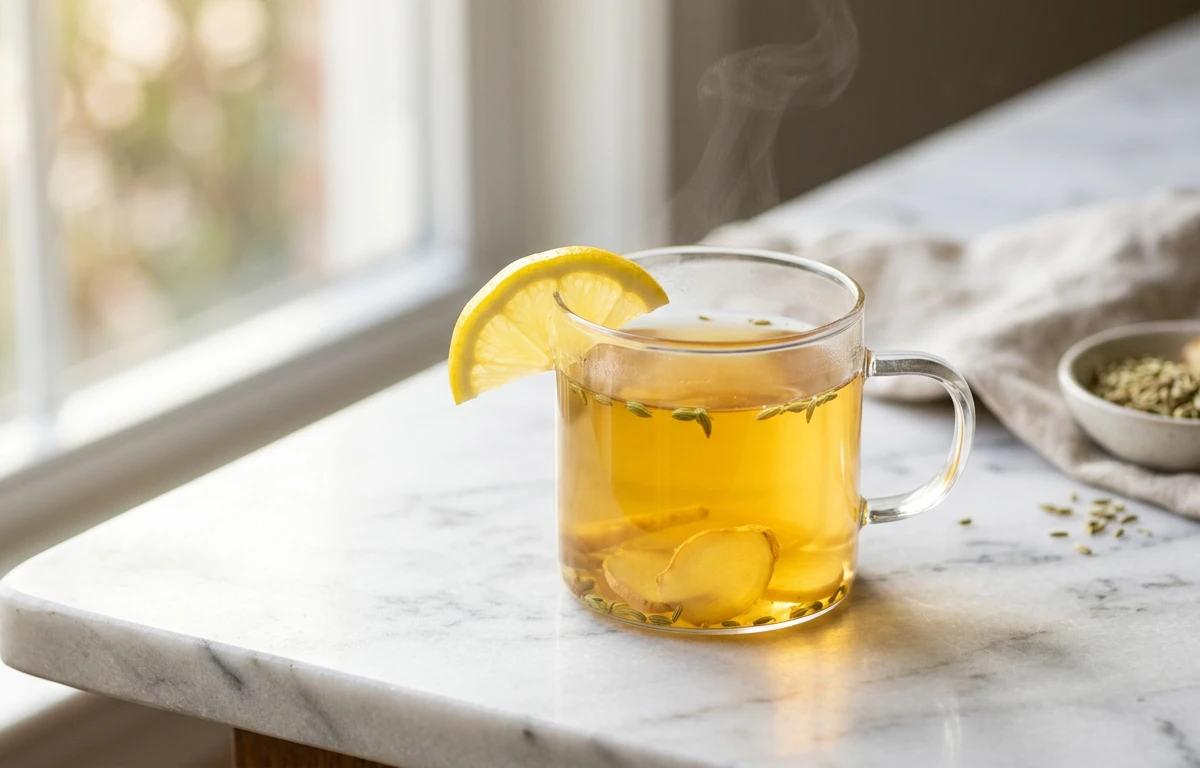
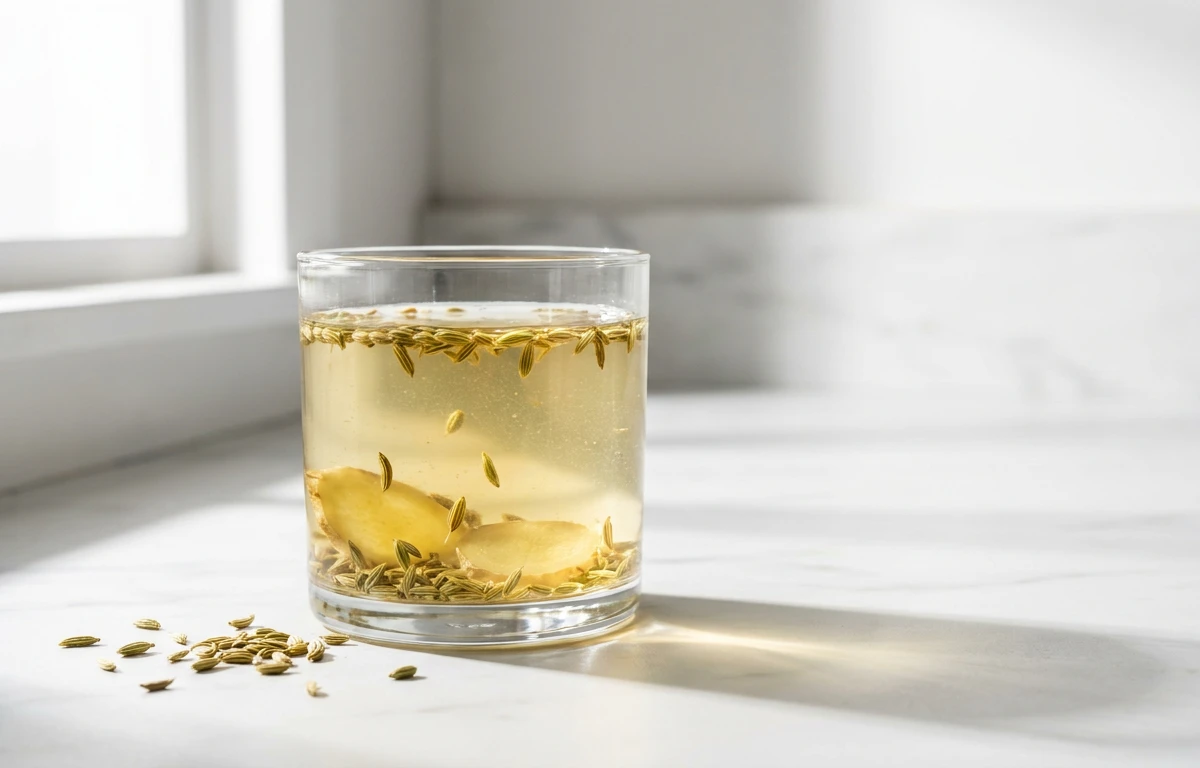
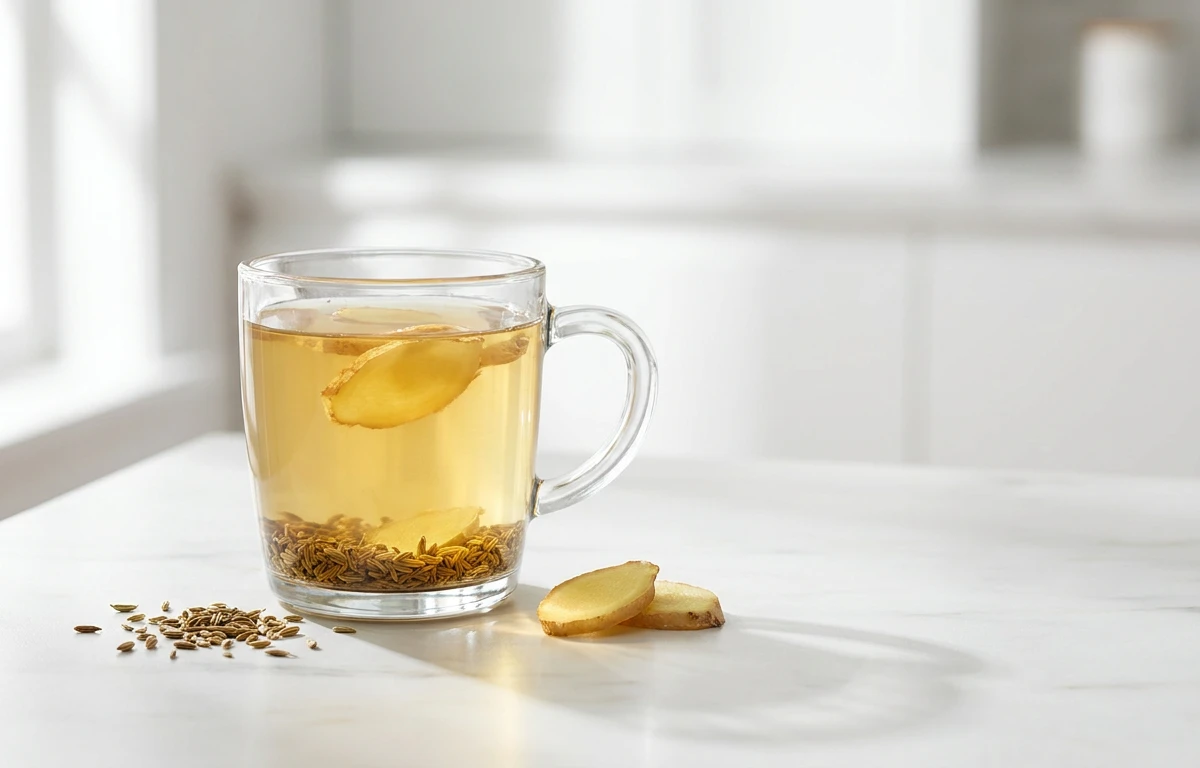
- 3Add to boiling water to make a soothing digestive tea
STORAGE
Keep it fresh.
- Store in an airtight container in a cool, dark place
- Keep away from direct sunlight to preserve essential oils
- Whole seeds last significantly longer than ground fennel powder
FAQ
Frequently asked questions.
How long do fennel seeds last?
Whole fennel seeds can last up to 1-2 years if stored in a cool, dark, and dry place in an airtight container.
Can I freeze fennel seeds?
Yes, you can freeze them to extend shelf life, but ensure they are in a moisture-proof container to prevent them from becoming damp.
What is the best substitute for fennel seeds?
Anise seeds are the closest substitute. Star anise or caraway seeds can also work, though the flavor profile will vary slightly.
How do I pick high-quality fennel seeds?
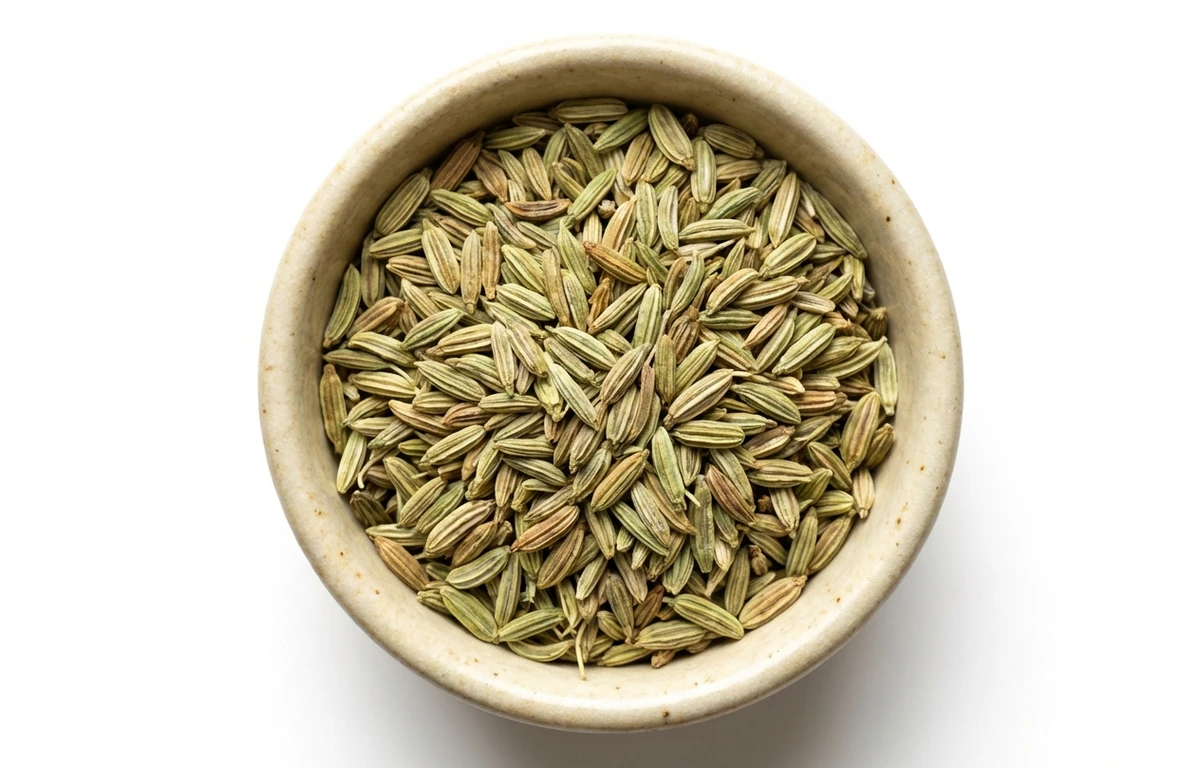
Look for seeds that are bright green rather than dull grey or brown. The greener the seed, the fresher and more flavorful it is.
Are fennel seeds and anise seeds the same?
No, they are different plants, but they both contain anethole, which gives them a similar licorice-like flavor.
How do I prepare fennel seeds for cooking?
They can be used whole, lightly crushed with a mortar and pestle, or ground into a fine powder depending on the recipe.
Are fennel seeds good for weight loss?
They are high in fiber and may act as a mild appetite suppressant, but they should be part of a balanced diet.
Can you eat fennel seeds raw?
Yes, they are commonly eaten raw as a mouth freshener and digestive aid after meals in many cultures.
What dishes use fennel seeds?
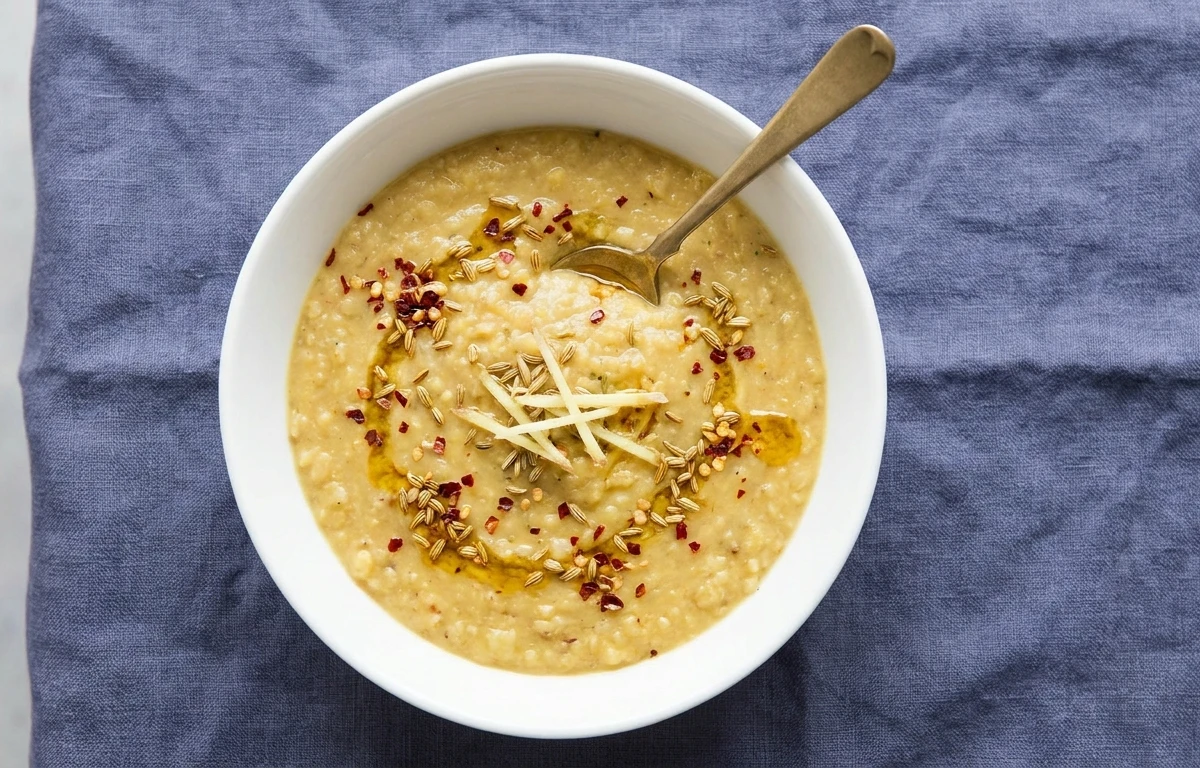
They are used in Italian sausages, Indian curries, rye bread, seafood dishes, and various spice blends like Chinese Five Spice.
RECIPES
Cook with fennel seeds.
10 recipes · sorted by what’s quick