
Protein
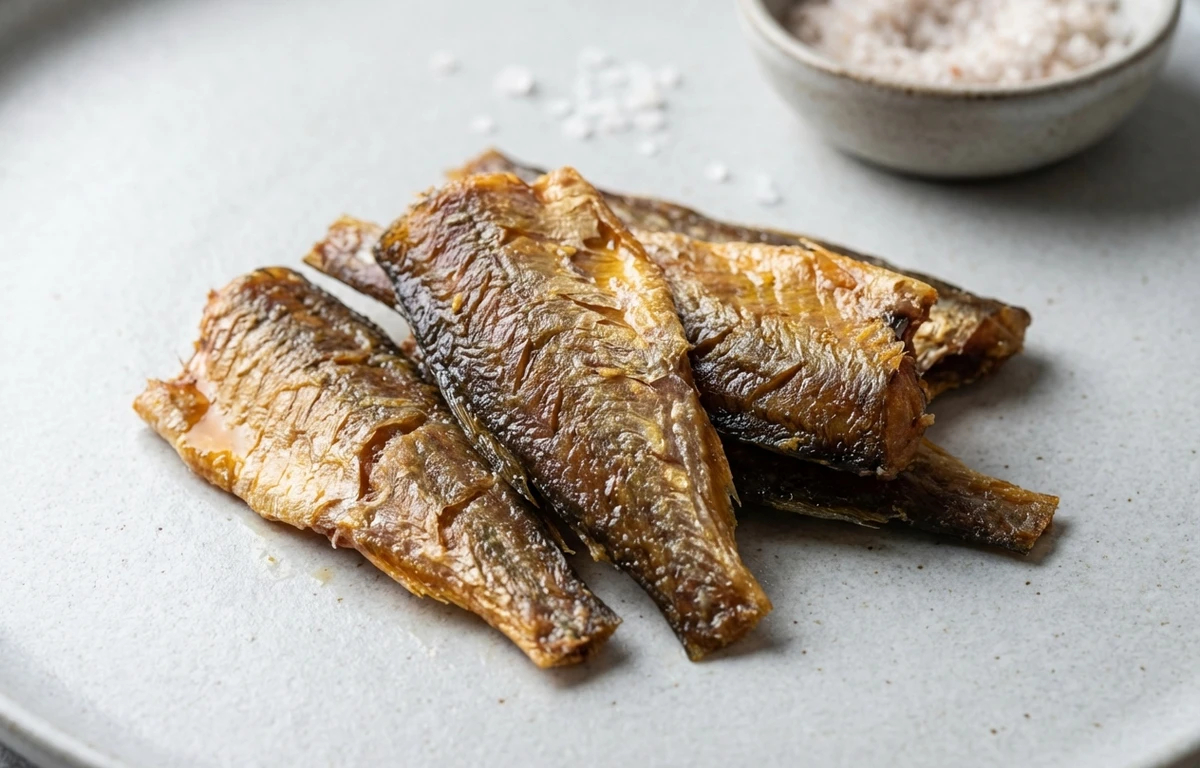
fermented dried fish.
VegetarianVeganGluten-freeDairy-freeNut-freePeanut-freeSoy-freeEgg-freeShellfish-freeHoney-freeAlcohol-freeFermented
SERVING
CALORIES
397
PROTEIN
51.1g
CARBS
0.50g
FAT
16.3g
FIBER
0g
NUTRITION PROFILE · per 100 g
Everything in this ingredient.
MACRONUTRIENTS
Calories397kcal—
Protein51.1g102%
Carbohydrates0.50g0%
Fiber0g0%
Sugar0g0%
Total fat16.3g21%
Saturated fat3.0g15%
Cholesterol250mg83%
Water12.2g—
MINERALS
Sodium3000mg130%
Potassium800mg17%
Calcium300mg23%
Iron3.0mg17%
Magnesium140mg33%
Phosphorus900mg72%
Zinc2.8mg25%
VITAMINS
Vitamin A50µg6%
Vitamin C0mg0%
Vitamin D10µg50%
Thiamin (B1)0.07mg6%
Riboflavin (B2)0.32mg25%
Niacin (B3)14.5mg91%
Vitamin B60.42mg25%
%DV based on a 2,000 cal diet. Source: USDA FoodData Central. A dash in the %DV column means there’s no established Daily Value for that nutrient.
MEASUREMENT CONVERSIONS
How much is what.
1 piece15g
HEALTH BENEFITS
Why eat it.
- ✓Rich in probiotics from the fermentation process, which can support gut health and digestion.
- ✓Excellent source of umami-rich complete protein, essential for muscle building and tissue repair.
- ✓Concentrated source of omega-3 fatty acids (depending on the type of fish), which are beneficial for heart and brain health.
- ✓Good source of calcium and vitamin D, particularly when small, whole fish with bones are used.
- ✓Provides essential minerals like iron and potassium.
COOKING TIPS
In the kitchen.
- 1Due to its intense salty and pungent flavor, use it as a condiment or flavoring agent rather than a main ingredient.
- 2Soaking the fish in warm water for 15-30 minutes before use can help reduce its saltiness and soften its texture.
- 3It is often fried or toasted first to release its aroma before being added to soups, stews, curries, or stir-fries.
- 4Can be pounded into a powder or flake and used as a potent seasoning for rice dishes, salads, and sauces.
STORAGE
Keep it fresh.
- Store in a cool, dry, and dark place in an airtight container to prevent moisture absorption and mold growth. This can preserve it for several months.
- For longer-term storage or to minimize its strong odor, wrap it tightly and store it in the refrigerator or freezer.
FAQ
Frequently asked questions.
Is fermented dried fish healthy?
Yes, fermented dried fish offers several health benefits. It's an excellent source of complete protein, essential for muscle repair, and can provide beneficial probiotics for gut health due to the fermentation process. Depending on the fish type, it can also be rich in omega-3 fatty acids, calcium, and vitamin D.
What are the main nutritional benefits of fermented dried fish?
Per 100g, fermented dried fish is highly nutritious, providing approximately 397 calories, 51.14g of protein, and 16.29g of fat, with only 0.5g of carbohydrates. It's a concentrated source of protein, essential minerals like iron and potassium, and can offer omega-3s, calcium, and vitamin D.
Is fermented dried fish good for gut health?
Yes, the fermentation process involved in making fermented dried fish can introduce beneficial probiotics. These live microorganisms may help support a healthy gut microbiome, aiding digestion and potentially boosting overall immune function.
Is fermented dried fish gluten-free?
Generally, yes, fermented dried fish is naturally gluten-free as it's made solely from fish and salt, sometimes with other natural ferments. However, always check product labels for any added ingredients or cross-contamination if you have severe gluten sensitivity.
Is fermented dried fish suitable for a keto or low-carb diet?
Yes, fermented dried fish is highly suitable for keto and low-carb diets. It is very low in carbohydrates (around 0.5g per 100g) and provides a significant amount of protein and healthy fats, making it an excellent nutrient-dense option for these dietary approaches.
How is fermented dried fish typically prepared or cooked?
Fermented dried fish is often rehydrated before use, either by soaking in water or steaming. It can then be fried, grilled, stewed, or added to soups, curries, and stir-fries to impart a deep umami flavor. It's a staple in many Asian cuisines.
What does fermented dried fish taste like?
Fermented dried fish has a distinct, intense flavor profile characterized by a strong umami taste, saltiness, and often a pungent aroma. The fermentation process adds complex, savory notes that can range from slightly sour to deeply savory, depending on the fish and fermentation method.
How should I store fermented dried fish to maintain its quality?
To maintain its quality, store fermented dried fish in a cool, dry place away from direct sunlight and moisture. An airtight container or vacuum-sealed bag is ideal to prevent spoilage and contain its strong aroma.
How long does fermented dried fish last?
Due to the drying and fermentation processes, fermented dried fish has a very long shelf life, often lasting for several months to over a year when stored properly. Always check for any signs of mold, off-smell, or extreme discoloration before consumption.
Does fermented dried fish have a high sodium content?
Yes, fermented dried fish typically has a high sodium content due to the salt used in both the drying and fermentation processes, which are traditional preservation methods. It's important to consider this when incorporating it into your diet, especially if you are monitoring sodium intake.



















