Other5 recipes
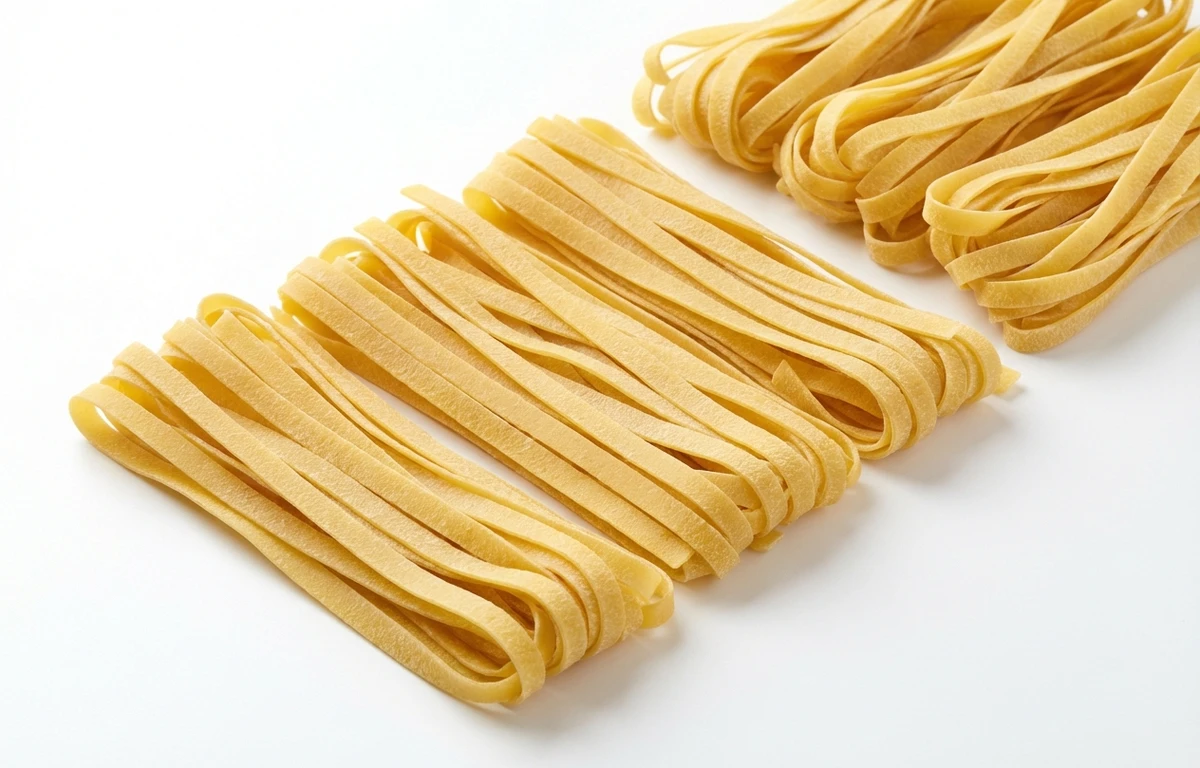
fettuccine.
VegetarianVeganGluten-freeDairy-freeNut-freePeanut-freeSoy-freeEgg-freeShellfish-freeHoney-freeAlcohol-free
ALSO KNOWN AS
fettuccinifettuccine noodles
SERVING
CALORIES
160
PROTEIN
5.8g
CARBS
30.5g
FAT
1.7g
FIBER
1.8g
Per 100 g, it provides 1.9 µg of vitamin K.
NUTRITION PROFILE · per 100 g
Everything in this ingredient.
MACRONUTRIENTS
Calories160kcal—
Protein5.8g12%
Carbohydrates30.5g11%
Fiber1.8g6%
Sugar0.60g1%
Total fat1.7g2%
Saturated fat0.50g3%
Cholesterol20mg7%
Water61.2g—
MINERALS
Sodium20mg1%
Potassium60mg1%
Calcium10mg1%
Iron1.3mg7%
Magnesium51mg12%
Phosphorus180mg14%
Zinc0.90mg8%
Copper0.23mg26%
Manganese0.80mg35%
Selenium80.4µg146%
VITAMINS
Vitamin A10µg1%
Vitamin C0mg0%
Vitamin D0.20µg1%
Vitamin E0.09mg1%
Vitamin K1.9µg2%
Thiamin (B1)0.60mg50%
Riboflavin (B2)0.30mg23%
Niacin (B3)6.6mg41%
Pantothenic acid (B5)0.50mg10%
Vitamin B60.10mg6%
Folate (B9)247µg62%
Vitamin B120µg0%
%DV based on a 2,000 cal diet. Source: USDA FoodData Central. A dash in the %DV column means there’s no established Daily Value for that nutrient.
MEASUREMENT CONVERSIONS
How much is what.
1 cup75g
1 tablespoon4.7g
1 teaspoon1.6g
1 oz28.4g
1 lb453.6g
1 ml0.3g
1 liter312.5g
HEALTH BENEFITS
Why eat it.
- ✓Provides sustained energy from complex carbohydrates, fueling daily activities and brain function.
- ✓Enriched varieties are a good source of B vitamins, such as folic acid and thiamin, which are essential for energy metabolism and cell health.
- ✓Naturally low in sodium and fat (when served without high-fat sauces), making it a suitable component of a heart-healthy diet.
COOKING TIPS
In the kitchen.
- 1Use a large pot with at least 4-6 quarts of boiling, generously salted water per pound of pasta to ensure even cooking and prevent sticking.
- 2Cook until 'al dente' (firm to the bite) for optimal texture. Follow package directions but start tasting a minute or two before the recommended time.
- 3Reserve about a cup of the starchy pasta water before draining. This liquid gold helps emulsify and thicken your sauce, allowing it to cling better to the noodles.
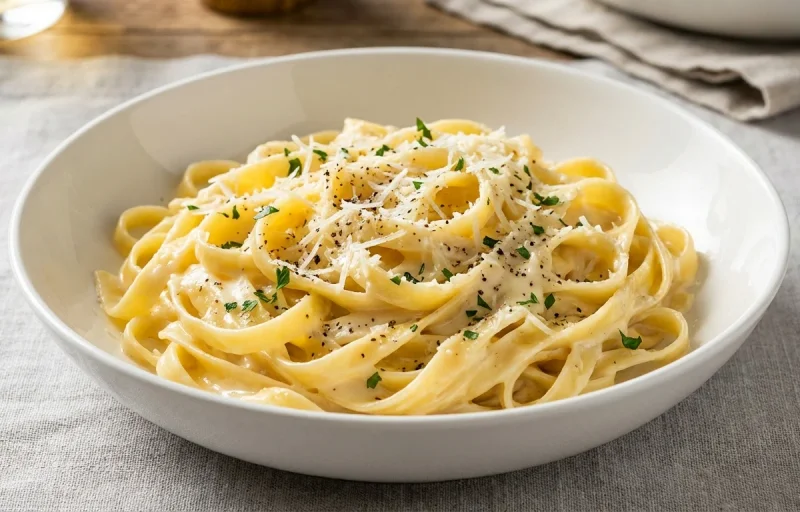
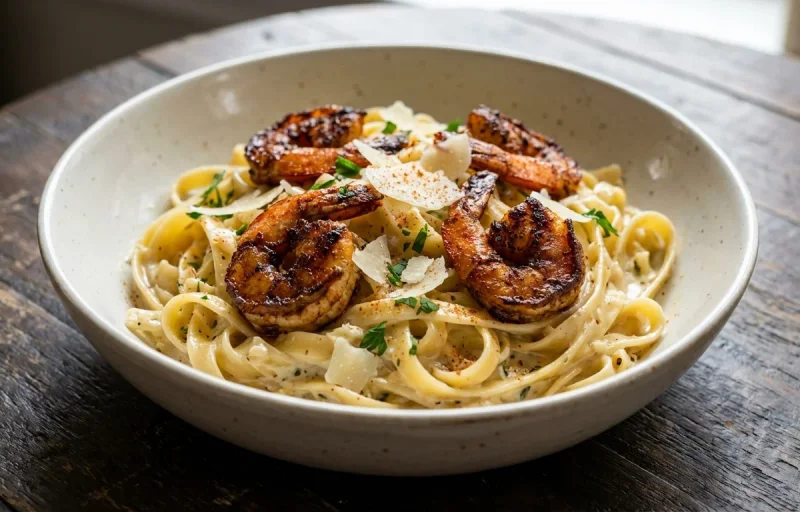
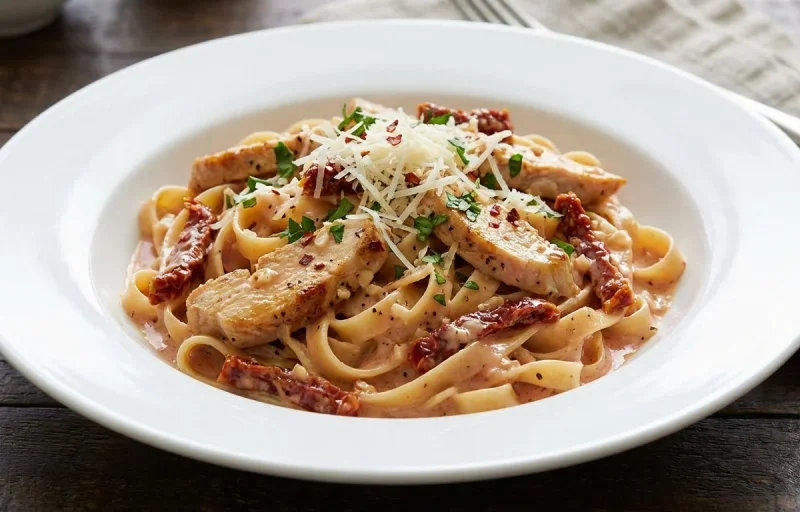
- 4The wide, flat shape of fettuccine is ideal for pairing with rich, creamy, or buttery sauces like Alfredo, carbonara, or simple garlic and oil, as the large surface area holds the sauce well.
STORAGE
Keep it fresh.
- Store dry fettuccine in a cool, dark, and dry place like a pantry. Once opened, keep it in an airtight container to maintain freshness for up to one year.
- Keep fresh fettuccine refrigerated in an airtight package and consume within 2-3 days for best quality. It can also be frozen for up to 2-3 months.
FAQ
Frequently asked questions.
Is fettuccine healthy?
Yes, fettuccine can be part of a healthy diet, especially when consumed in moderation and paired with nutritious sauces. It provides sustained energy from complex carbohydrates and, in enriched varieties, offers B vitamins like folic acid and thiamin. It's also naturally low in sodium and fat.
How many calories and carbs are in fettuccine?
Per 100g of cooked fettuccine, there are approximately 160 calories and 30.5g of carbohydrates. It also contains about 5.8g of protein and 1.7g of fat, making it a good source of energy for daily activities.
What kind of sauces pair well with fettuccine?
Fettuccine's broad, flat shape makes it ideal for rich, creamy sauces that can cling to its surface. Classic pairings include Alfredo sauce, carbonara, or hearty meat sauces like Bolognese. It also works well with pesto or robust tomato-based sauces.
What is the difference between fettuccine and linguine?
Both fettuccine and linguine are flat, ribbon-shaped pastas, but fettuccine is wider and thicker than linguine. Fettuccine typically measures about 1/4 inch wide, while linguine is narrower, closer to 1/8 inch. This difference affects how they hold sauces, with fettuccine being better for heavier, creamier sauces.
RECIPES
Cook with fettuccine.
5 recipes · sorted by what’s quick