Loading...
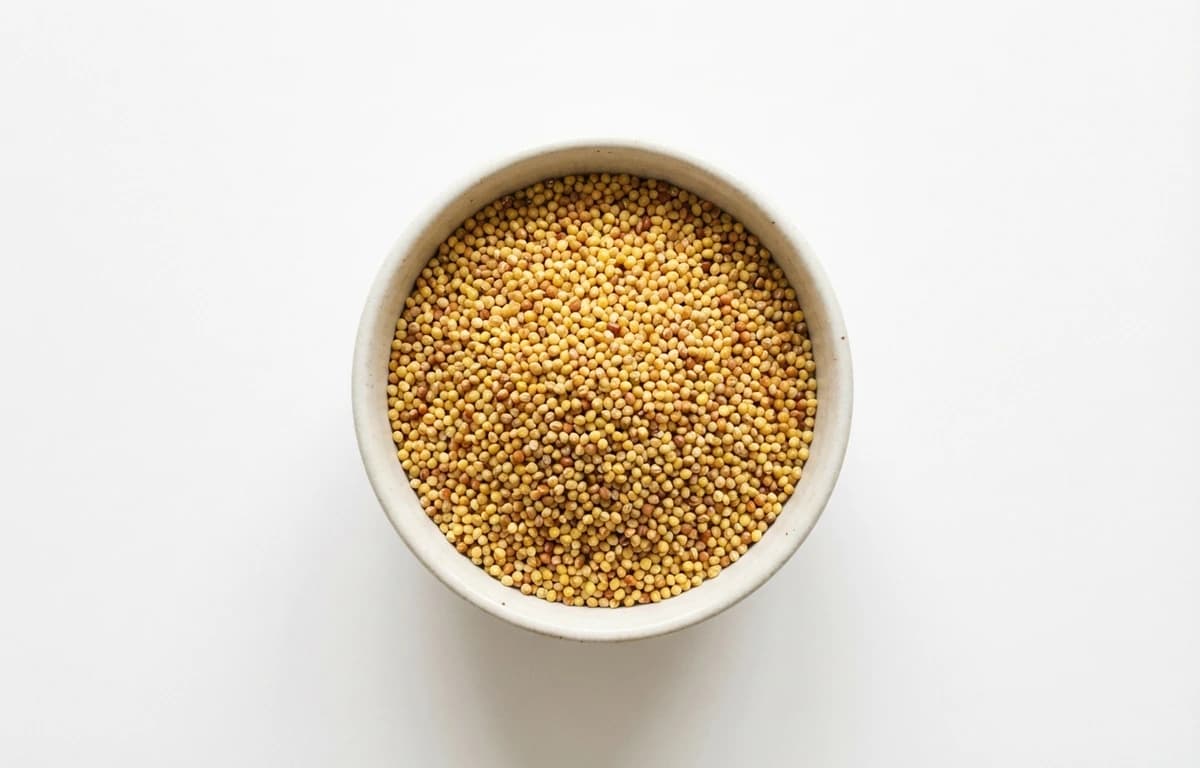
Also known as: kangni, Italian millet, foxtail, thinai, foxtail millet, German millet, Setaria italica, koni
Per 100g
Nutrition data source: USDA FoodData Central
Common measurement equivalents in grams
Yes, foxtail millet is very healthy. It's naturally gluten-free, rich in dietary fiber, and a good source of complex carbohydrates and essential minerals like iron, magnesium, and phosphorus. Its low glycemic index also makes it beneficial for blood sugar management.
Per 100g, foxtail millet provides approximately 331 calories, 12.3g protein, 60.9g carbohydrates, and 4.3g fat. It's particularly noted for its high fiber content, which aids digestion, and essential minerals that support energy production and bone health.
Foxtail millet can be beneficial for weight management due to its high fiber content, which promotes satiety and helps you feel full longer. Its complex carbohydrates and low glycemic index also contribute to sustained energy release, preventing sudden hunger pangs.
Yes, foxtail millet is naturally gluten-free, making it an excellent and safe grain choice for individuals with celiac disease, gluten sensitivity, or those following a gluten-free diet.
Yes, foxtail millet is generally considered suitable for diabetics. It has a low glycemic index, meaning it causes a slower and more gradual rise in blood sugar levels compared to refined grains, thanks to its high fiber content.
No, foxtail millet is not keto-friendly or considered low-carb. With approximately 60.9g of carbohydrates per 100g, it is a significant source of complex carbohydrates and would not fit into a typical ketogenic diet.
To cook foxtail millet, rinse it thoroughly. Combine 1 part millet with 2 parts water or broth in a pot. Bring to a boil, then reduce heat to low, cover, and simmer for about 15-20 minutes until the liquid is absorbed and the millet is fluffy. Let it rest for 5 minutes before serving.
foxtail millet is a versatile ingredient found in cuisines around the world. With 331 calories per 100g and 12.3 grams of protein, it's a nutritious addition to many dishes.
Explore more ingredients in the grain category with complete nutrition information.
View all grain →Discover 3 recipes featuring foxtail millet with step-by-step instructions.
Browse recipes →Explore more ingredients similar to foxtail millet.
The most-searched ingredients on CraftMyMeals.
Foxtail millet has a mild, slightly nutty flavor and a fluffy texture similar to couscous or quinoa when cooked. It can be used as a substitute for rice, in porridges, salads, pilafs, or even ground into flour for baking gluten-free breads and rotis.
Store uncooked foxtail millet in an airtight container in a cool, dry, dark place, away from direct sunlight and moisture. Properly stored, it can last for up to 6-12 months. Cooked millet should be refrigerated and consumed within 3-4 days.
While not strictly necessary, soaking foxtail millet for 30 minutes to a few hours before cooking can improve its digestibility and reduce cooking time. Soaking also helps to break down phytic acid, enhancing nutrient absorption.