Bisi Bele Bath
A classic Karnataka one-pot meal, reimagined for a low-glycemic diet. This version uses wholesome foxtail millet instead of rice, combined with lentils and vegetables in a fragrant, spicy tamarind broth. It's comfort food that's both hearty and healthy.
For 4 servings
Prepare Millet, Dal, and Vegetables
1.Rinse the foxtail millet and toor dal together under cool running water until the water runs clear.2.Soak the rinsed millet and dal in 2 cups of fresh water for at least 30 minutes. This ensures they cook evenly and become soft.3.While they are soaking, wash and chop all your vegetables and the onion.Pressure Cook the Bath
1.Heat 1 tbsp of oil in a 3-liter pressure cooker over medium heat.2.Add the chopped onions and sauté for 2-3 minutes until they become translucent.3.Add the mixed vegetables (except quick-cooking ones like peas) and sauté for another 3-4 minutes.4.Drain the soaking water from the millet and dal, and add them to the cooker.5.Stir in the bisi bele bath powder, turmeric powder, tamarind paste, jaggery (if using), and salt.6.Pour in 4 cups of fresh water and mix everything thoroughly to combine.7.Secure the lid of the pressure cooker. Cook on medium heat for 4-5 whistles, which should take about 15 minutes.8.Turn off the heat and allow the pressure to release naturally. Do not force open the lid.Prepare the Tempering (Tadka)
1.While the pressure cooker is cooling, prepare the tempering. Heat the remaining 1 tbsp of oil in a small tadka pan over medium heat.2.Add the mustard seeds and wait for them to splutter.3.Add the urad dal, chana dal, and cashews. Fry, stirring continuously, for about 1 minute until they turn a light golden brown.4.Add the broken dried red chilies and curry leaves. Be cautious as they will splutter.5.Finally, add the hing, give it a quick stir for a few seconds, and immediately turn off the heat to prevent it from burning.Combine and Serve
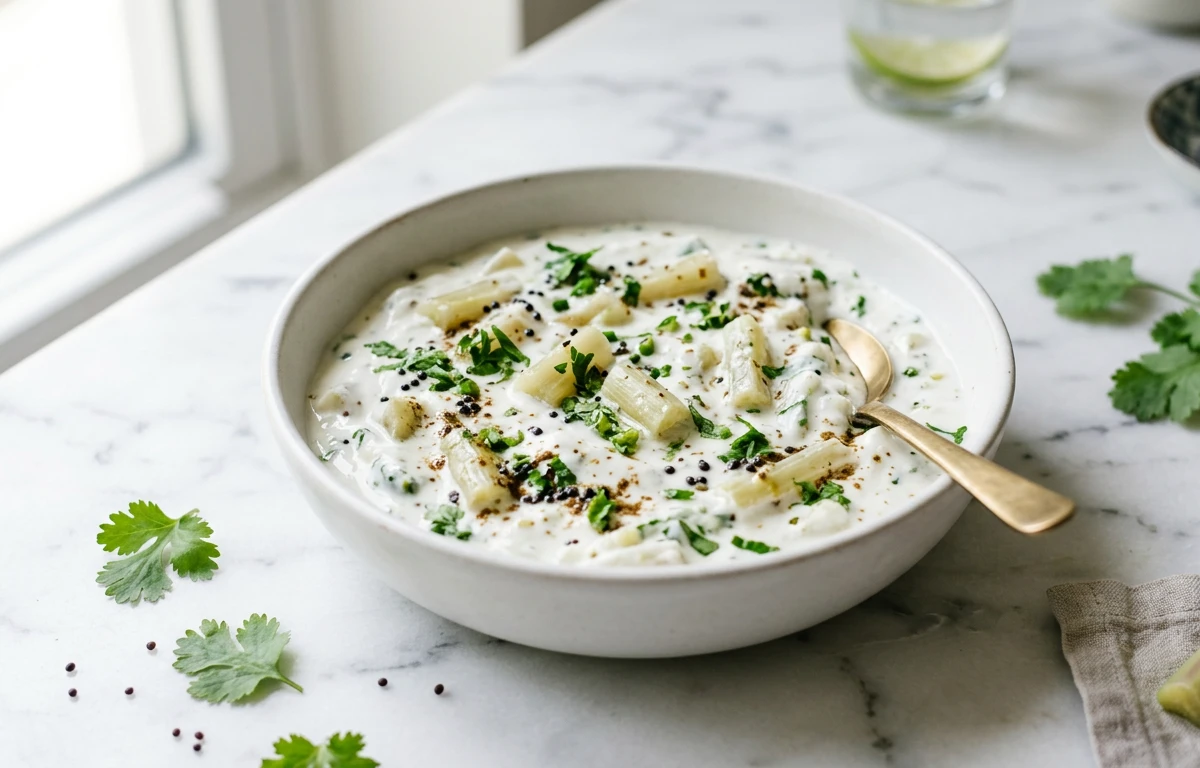
1.Once the pressure has fully released, carefully open the cooker. The mixture should be soft, mushy, and well-cooked.2.Pour the hot tempering over the cooked bisi bele bath.3.Garnish with freshly chopped coriander leaves.4.Gently mix everything together. Check the consistency; if it's too thick, stir in a little hot water until it reaches a thick, porridge-like texture.5.Serve hot with a side of cucumber raita or papad.
What to keep in mind.
6 tips from the recipe — small details that make a real difference to the final dish.
- 1For the best flavor and aroma, use a high-quality, fresh Bisi Bele Bath powder. Homemade powder is even better.
- 2Do not skip soaking the millet and dal. It is a crucial step for achieving a soft, melt-in-the-mouth texture.
- 3The authentic consistency of Bisi Bele Bath is like a thick, flowing porridge. Adjust with hot water just before serving if it has thickened upon standing.
- 4To make it richer, you can add a teaspoon of ghee to each serving just before eating.
- 5You can customize the vegetables based on availability. Pumpkin, chayote squash (chow chow), and brinjal are also great additions.
- 6Adjust the amount of tamarind paste and bisi bele bath powder to suit your preferred level of tanginess and spice.
Adapt it for your goals.
Grain Variation
Replace foxtail millet with other healthy grains like kodo millet, barnyard millet, quinoa, or broken wheat (dalia) for a different texture and nutritional profile.
Vegan VersionVegan Version
This recipe is naturally vegan as it uses oil. If you choose to add richness, use a vegan butter or coconut oil instead of ghee.
Added ProteinAdded Protein
For an extra protein boost, add a handful of roasted peanuts along with the tempering, or stir in some cooked chickpeas at the end.
Spice VariationSpice Variation
If you don't have Bisi Bele Bath powder, you can use a good quality sambar powder and add a pinch of garam masala for a similar flavor profile.
Why this is on our healthy list.
Blood Sugar Management
Foxtail millet has a low glycemic index, which helps in the slow release of glucose into the bloodstream, preventing sudden spikes in blood sugar levels.
High in Fiber
The combination of millet, lentils, and a variety of vegetables makes this dish rich in dietary fiber, which aids digestion, promotes a feeling of fullness, and supports gut health.
Rich in Plant-Based Protein
Toor dal is an excellent source of plant-based protein, essential for muscle repair, cell generation, and overall body function.
Heart Healthy
This recipe is low in saturated fat and cholesterol. The fiber content from millet and dal also helps in managing cholesterol levels, contributing to cardiovascular health.
Frequently asked questions
Yes, this version is very healthy. It uses foxtail millet, which has a low glycemic index compared to white rice, helping manage blood sugar levels. It's also packed with fiber from lentils and vegetables, promoting digestive health and satiety.