
Nuts Seeds10 recipes
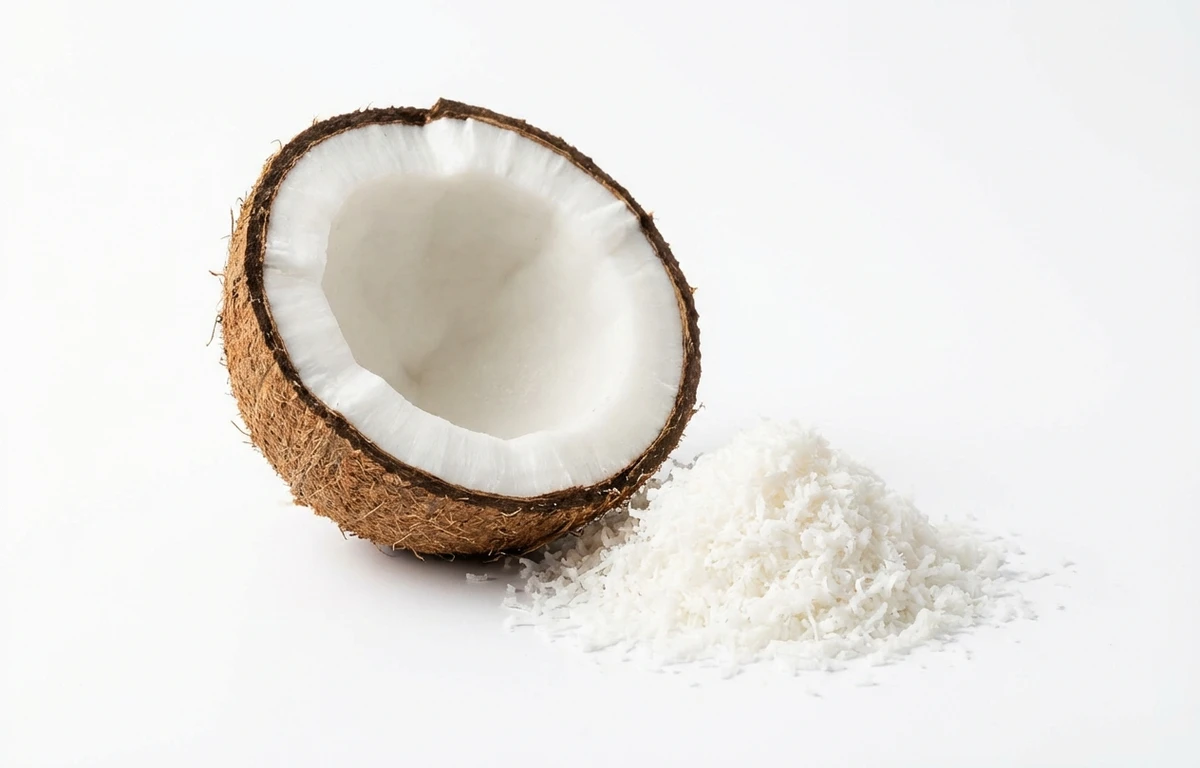
fresh coconut.
VegetarianVeganGluten-freeDairy-freeNut-freePeanut-freeSoy-freeEgg-freeShellfish-freeHoney-freeAlcohol-free
ALSO KNOWN AS
thengaikobbaricoconutraw coconutnariyalraw coconut meat
SERVING
CALORIES
354
PROTEIN
3.3g
CARBS
15.2g
FAT
33.5g
FIBER
9.0g
NUTRITION PROFILE · per 100 g
Everything in this ingredient.
MACRONUTRIENTS
Calories354kcal—
Protein3.3g7%
Carbohydrates15.2g6%
Fiber9.0g32%
Sugar6.2g12%
Total fat33.5g43%
Saturated fat29.7g149%
Trans fat0g—
Cholesterol0mg0%
Water47g—
MINERALS
Sodium20mg1%
Potassium356mg8%
Calcium14mg1%
Iron2.4mg13%
Magnesium32mg8%
Phosphorus113mg9%
Zinc1.1mg10%
Copper0.40mg44%
Manganese1.5mg65%
Selenium10.1µg18%
VITAMINS
Vitamin A0µg0%
Vitamin C3.3mg4%
Vitamin D0µg0%
Vitamin E0.20mg1%
Vitamin K0.20µg0%
Thiamin (B1)0.07mg6%
Riboflavin (B2)0.02mg2%
Niacin (B3)0.50mg3%
Pantothenic acid (B5)0.30mg6%
Vitamin B60.05mg3%
Folate (B9)26µg7%
Vitamin B120µg0%
%DV based on a 2,000 cal diet. Source: USDA FoodData Central. A dash in the %DV column means there’s no established Daily Value for that nutrient.
MEASUREMENT CONVERSIONS
How much is what.
1 cup80g
1 tablespoon10g
1 oz28.4g
1 lb453.6g
1 piece45g
HEALTH BENEFITS
Why eat it.
- ✓Rich in manganese which is essential for bone health and metabolism
- ✓Contains Medium-Chain Triglycerides (MCTs) for quick energy
- ✓High fiber content supports digestive health and satiety
- ✓Provides essential minerals like copper and iron for red blood cell formation
- ✓Contains antioxidants that help protect cells from oxidative damage
COOKING TIPS
In the kitchen.
- 1Toast freshly grated coconut in a dry pan to intensify its nutty flavor for desserts
- 2Use a vegetable peeler to create thin coconut ribbons for garnishing salads or smoothie bowls
- 3Blend fresh coconut meat with water and strain to make fresh, additive-free coconut milk
STORAGE
Keep it fresh.
- Store fresh coconut chunks in a bowl of water in the refrigerator for up to 5 days, changing water daily
- Grated fresh coconut can be stored in an airtight container in the freezer for up to 6 months
- Whole unopened coconuts can be kept at room temperature for 2 to 4 weeks
FAQ
Frequently asked questions.
How can I tell if a whole coconut is fresh?
Shake the coconut; you should hear a significant amount of liquid sloshing inside. It should feel heavy for its size and the 'eyes' should be dry and free of mold.
Is coconut considered a nut for allergy purposes?
While botanically a fruit (drupe), the FDA classifies coconut as a tree nut. People with tree nut allergies should consult a doctor before consuming.
How do I store leftover fresh coconut meat?
Place the pieces in a container, cover them with water, and refrigerate. They will stay fresh for about 4-5 days if you change the water daily.
Can fresh coconut be frozen?
Yes, you can freeze fresh coconut meat either in chunks or grated. Place it in a moisture-proof freezer bag; it will last for up to 6 months.
What is the best way to open a fresh coconut?
Puncture one of the eyes with a screwdriver to drain the water, then wrap the coconut in a towel and hit it with a hammer along the midline until it cracks.
Is the brown skin on the coconut meat edible?
Yes, the thin brown skin (testa) is perfectly edible and contains fiber, though many recipes call for it to be peeled off for a purely white appearance.
What can I use as a substitute for fresh coconut?
Unsweetened desiccated coconut or frozen grated coconut are the best substitutes. If using desiccated, you may need to rehydrate it with a little water.
Is fresh coconut high in fat?
Yes, fresh coconut is high in fat, particularly saturated fat in the form of Medium-Chain Triglycerides (MCTs), which are metabolized differently than long-chain fats.
RECIPES
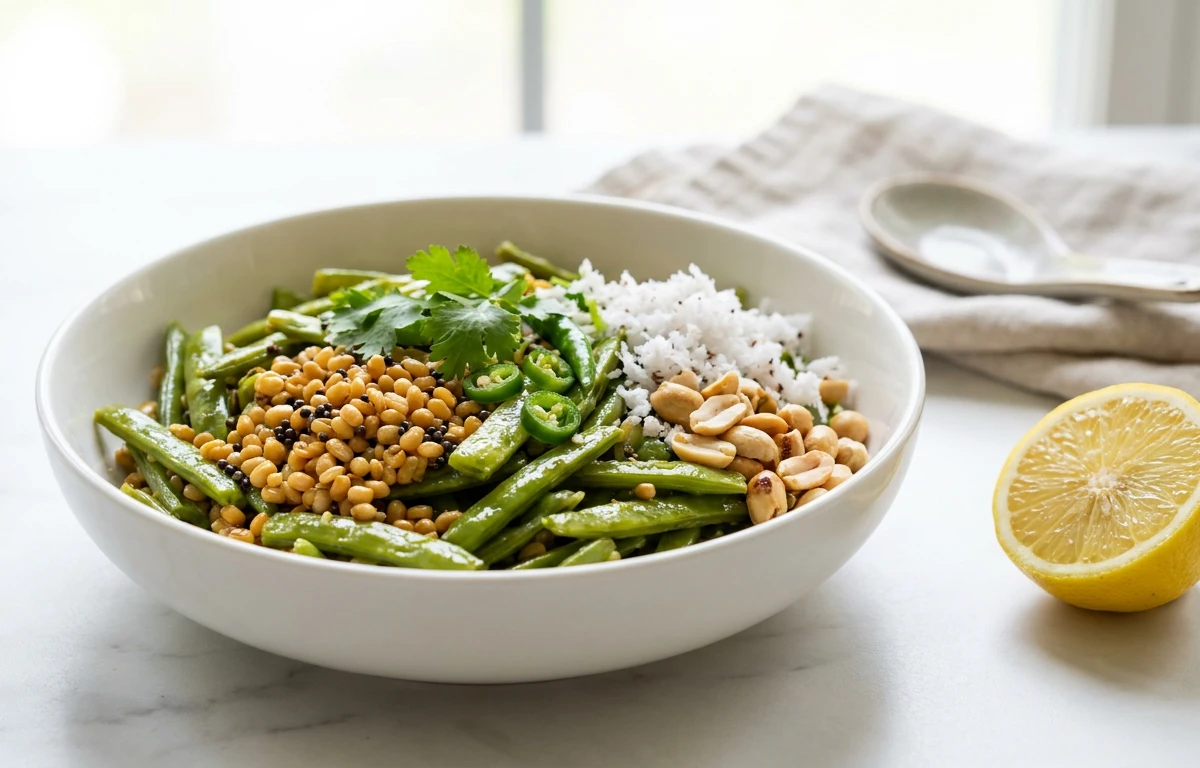
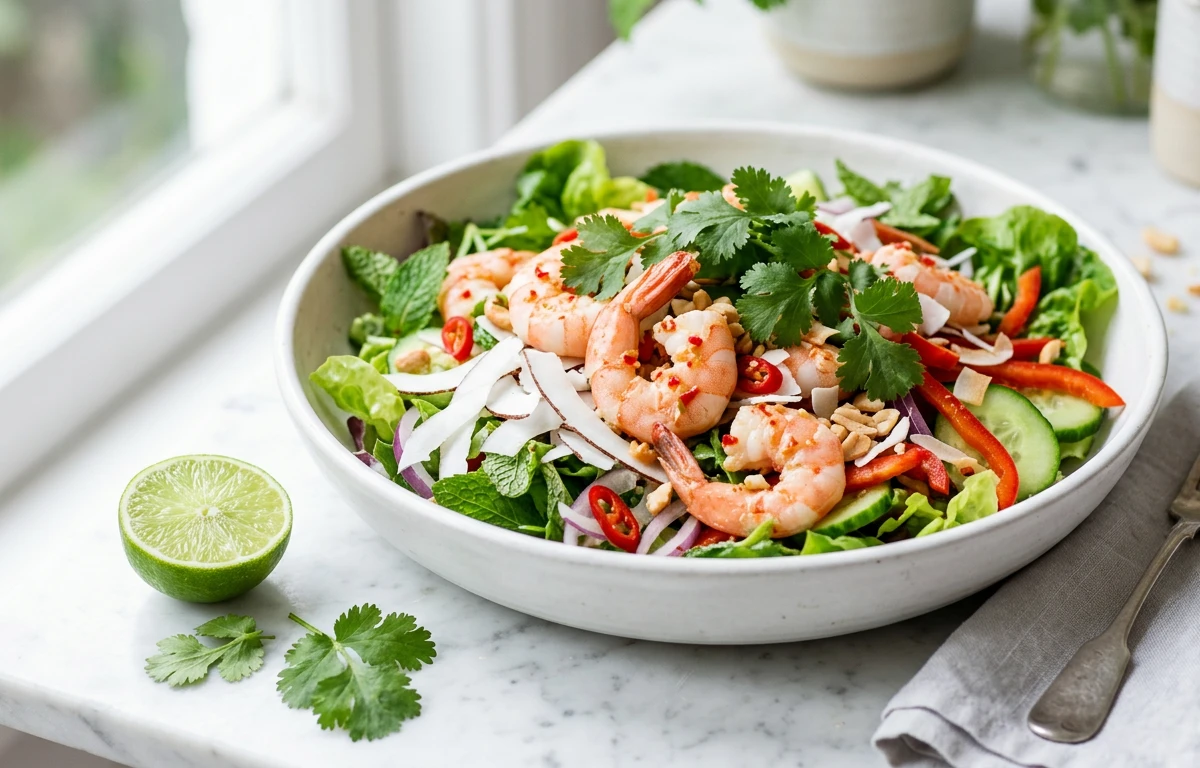
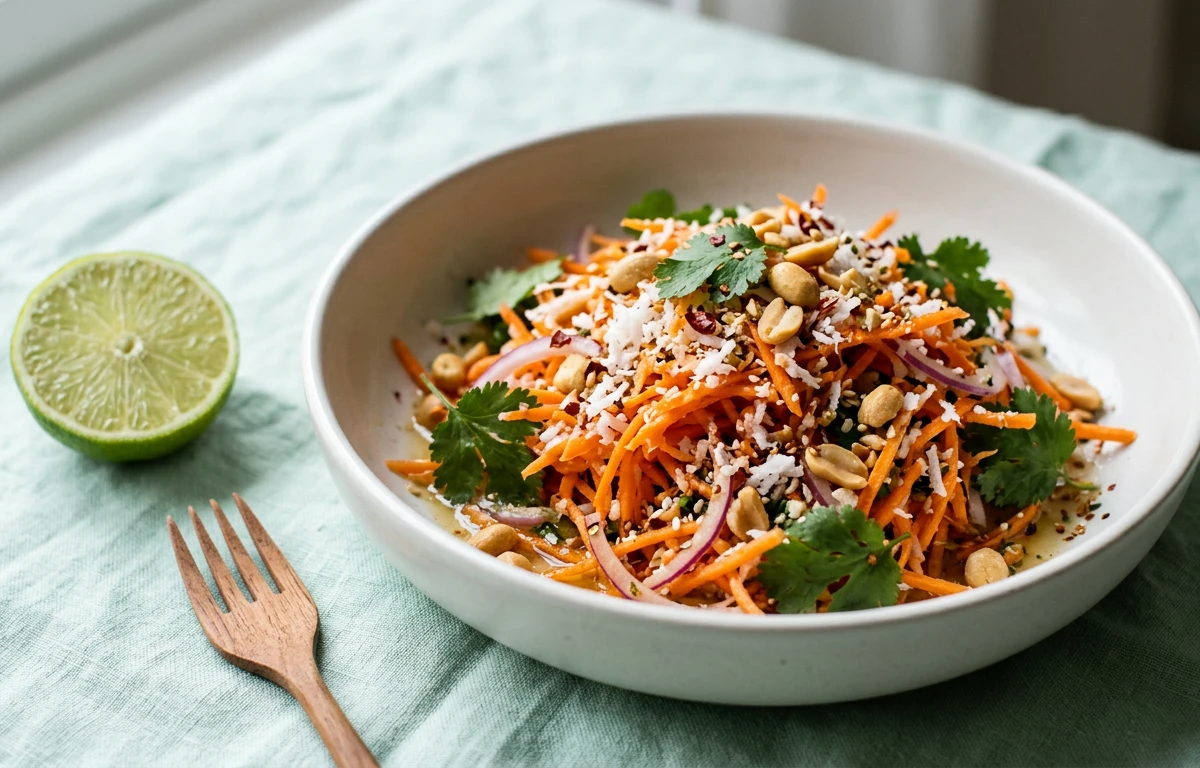
Cook with fresh coconut.
10 recipes · sorted by what’s quick
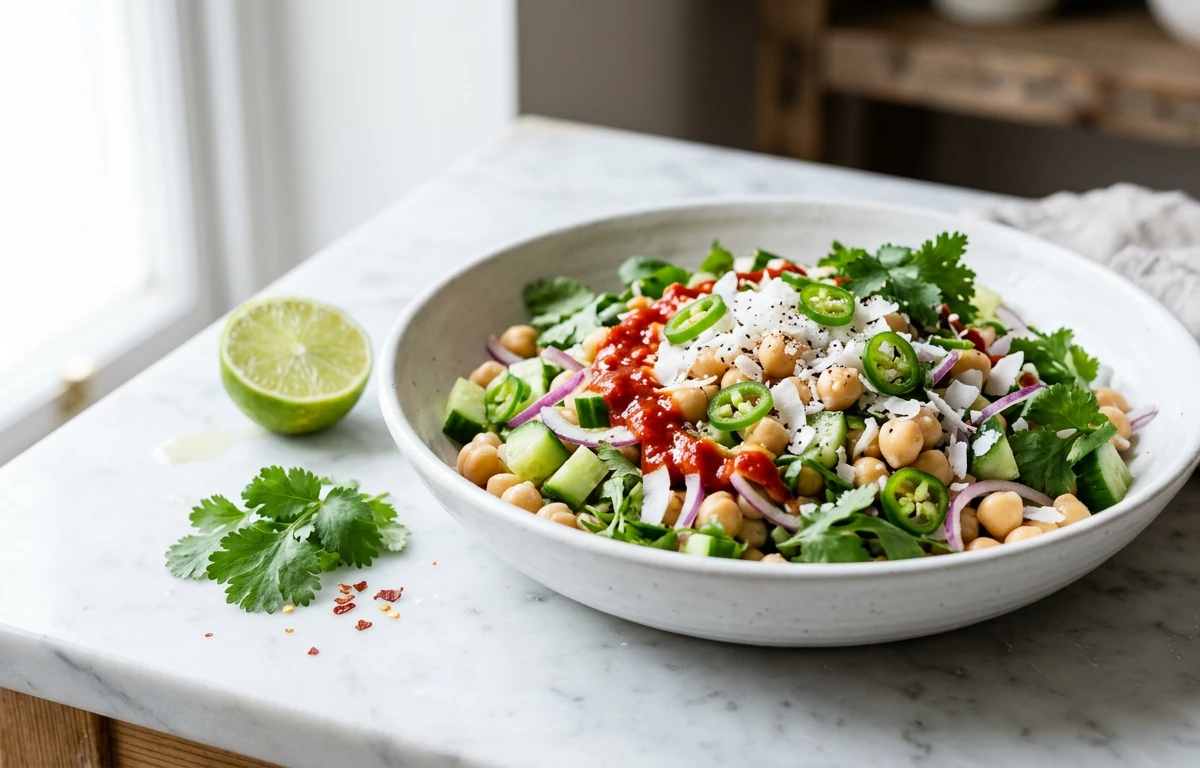
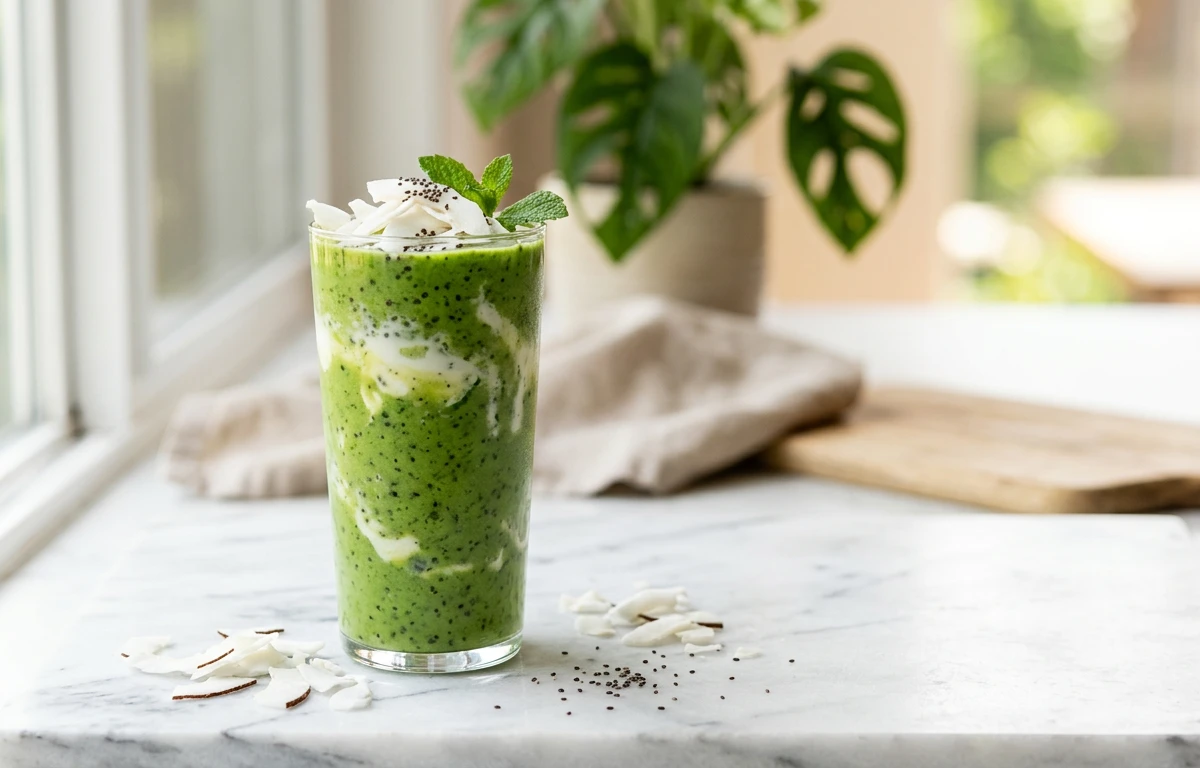
.webp)



















