
Spice10 recipes
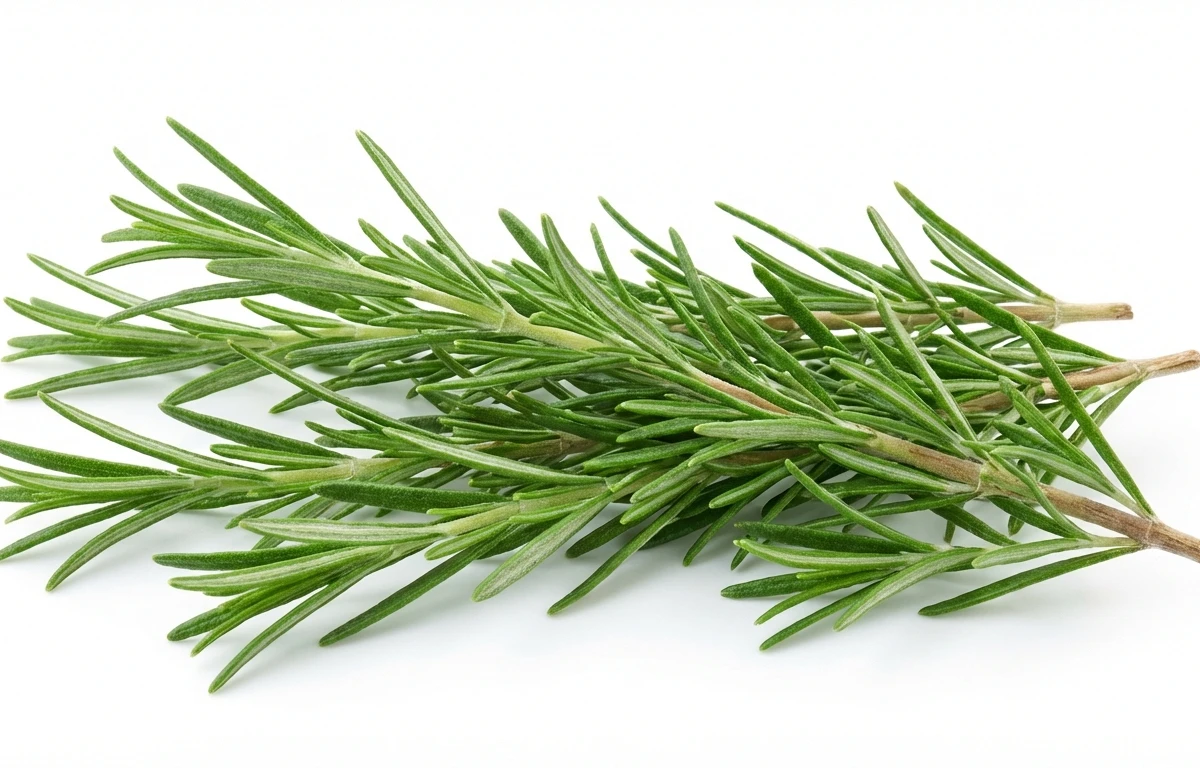
fresh rosemary.
VegetarianVeganGluten-freeDairy-freeNut-freePeanut-freeSoy-freeEgg-freeShellfish-freeHoney-freeAlcohol-free
ALSO KNOWN AS
rosmarinus officinalisgulmehendifresh rosemaryrosemary branchesrosemary needlesgulmehandifresh rosemary sprigsSalvia rosmarinusrosemary sprigsrosemary
SERVING
CALORIES
131
PROTEIN
3.3g
CARBS
20.7g
FAT
5.8g
FIBER
14.1g
This ingredient is flagged as naturally gluten-free. Per 100 g, it provides 1.0 µg of vitamin K.
NUTRITION PROFILE · per 100 g
Everything in this ingredient.
MACRONUTRIENTS
Calories131kcal—
Protein3.3g7%
Carbohydrates20.7g8%
Fiber14.1g50%
Sugar3.7g7%
Total fat5.8g7%
Saturated fat2.9g14%
Trans fat0g—
Cholesterol0mg0%
Water64.6g—
MINERALS
Sodium30mg1%
Potassium668mg14%
Calcium317mg24%
Iron6.7mg37%
Magnesium0.64mg0%
Phosphorus0.46mg0%
Zinc0.01mg0%
Copper0mg0%
Manganese0.01mg0%
VITAMINS
Vitamin A146µg16%
Vitamin C66.8mg74%
Vitamin D0µg0%
Vitamin K1.0µg1%
Thiamin (B1)0mg0%
Riboflavin (B2)0mg0%
Niacin (B3)0.01mg0%
Pantothenic acid (B5)0.01mg0%
Vitamin B60mg0%
Folate (B9)0.76µg0%
Vitamin B120µg0%
%DV based on a 2,000 cal diet. Source: USDA FoodData Central. A dash in the %DV column means there’s no established Daily Value for that nutrient.
MEASUREMENT CONVERSIONS
How much is what.
1 cup27.2g
1 tablespoon1.7g
1 teaspoon0.7g
1 ml0.1g
1 liter113.3g
1 piece1.5g
HEALTH BENEFITS
Why eat it.
- ✓Contains compounds that may improve memory, concentration, and cognitive performance.
- ✓May aid digestion by promoting a healthy balance of gut bacteria and stimulating bile flow.
- ✓Source of essential vitamins and minerals like Vitamin A, Vitamin C, iron, and calcium.
COOKING TIPS
In the kitchen.
- 1Use whole sprigs to infuse flavor into roasts, soups, and stews; remove the woody stem before serving.
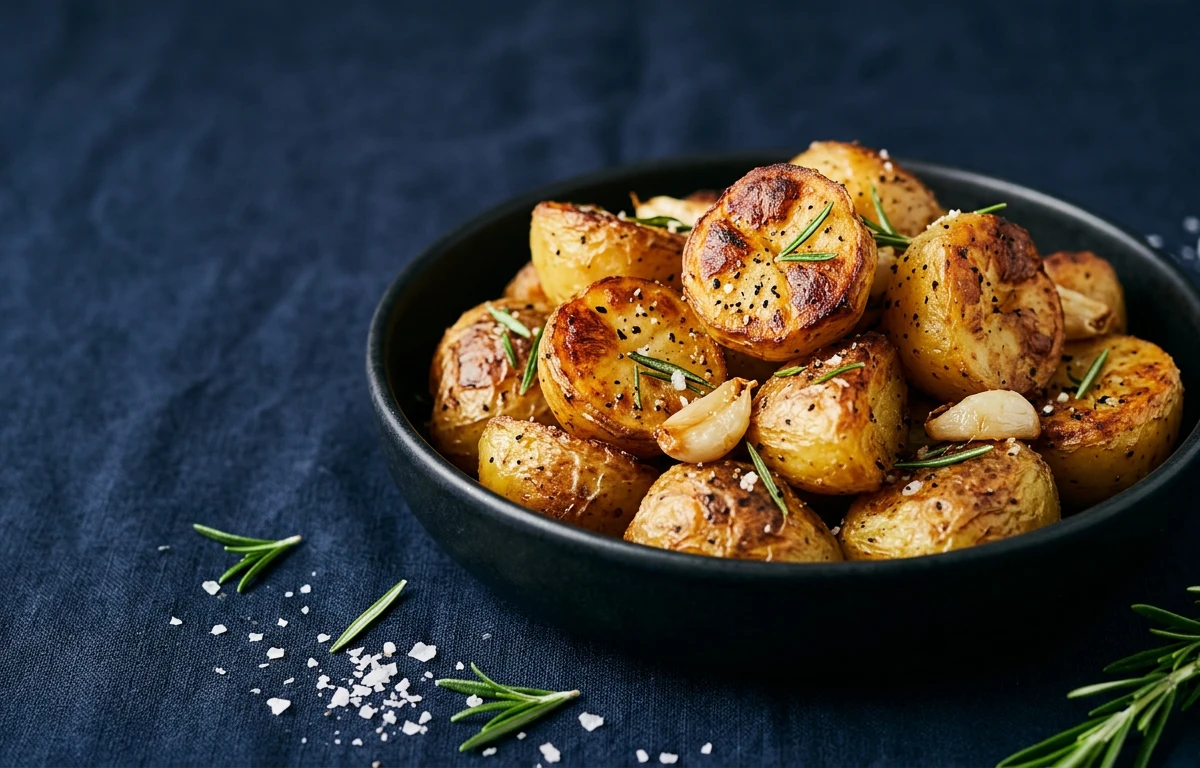
- 2Strip the leaves from the stem and chop finely to add to marinades, rubs, breads like focaccia, or roasted potatoes.
- 3The sturdy, woody stems can be used as flavorful skewers for grilling kebabs with meat or vegetables.
- 4Rosemary has a strong, pine-like flavor, so use it judiciously to avoid overpowering a dish. It pairs exceptionally well with lamb, chicken, pork, and root vegetables.
STORAGE
Keep it fresh.
- Wrap fresh sprigs in a slightly damp paper towel, place in a zip-top bag, and store in the refrigerator's crisper drawer for up to 2 weeks.
- Place the stems in a jar with an inch of water, like a bouquet of flowers, cover loosely with a plastic bag, and refrigerate.
- For long-term storage, freeze whole sprigs on a baking sheet before transferring to a freezer bag, or chop and freeze in ice cube trays with water or olive oil.
FAQ
Frequently asked questions.
How much protein and calories are in fresh rosemary?
Per 100g, fresh rosemary contains approximately 131 calories and 3.31g of protein. While these numbers seem high, typical serving sizes are much smaller, meaning its caloric and protein contribution to a meal is usually negligible.
Is fresh rosemary vegan and gluten-free?
Yes, fresh rosemary is naturally vegan as it is a plant-based herb. It is also naturally gluten-free, making it suitable for individuals following these dietary restrictions.
Is fresh rosemary keto-friendly?
Yes, fresh rosemary is keto-friendly. Although 100g contains 20.7g of carbs, a typical serving size is very small (e.g., a teaspoon or sprig), contributing negligible net carbs to a meal.
How do you best use fresh rosemary in cooking?
Fresh rosemary is excellent for flavoring roasted meats like lamb, chicken, and pork, as well as potatoes and vegetables. It can also be infused into oils, vinegars, or used in bread and marinades. For best flavor, add it early in the cooking process.
What does fresh rosemary taste like?
Fresh rosemary has a distinct, pungent, and somewhat piney flavor with notes of lemon and pepper. It's aromatic and slightly bitter, adding a robust, earthy quality to dishes.
How should I store fresh rosemary to keep it fresh longer?
To store fresh rosemary, wrap the sprigs loosely in a damp paper towel and place them in a plastic bag or airtight container in the refrigerator. Alternatively, you can place the stems in a glass of water like a bouquet, cover loosely with plastic, and refrigerate.
Can you eat fresh rosemary raw?
Yes, fresh rosemary can be eaten raw, though its strong flavor is often preferred when cooked or finely chopped and used sparingly in salads or dressings. The needles are quite firm, so chopping finely is recommended if eating raw.
Does fresh rosemary expire, and how long does it last?
Fresh rosemary doesn't 'expire' in the sense of becoming unsafe, but it will lose its potency and freshness. Stored properly in the refrigerator, it typically lasts for 1-2 weeks. If it becomes dry, brittle, or develops mold, it should be discarded.
RECIPES
Cook with fresh rosemary.
10 recipes · sorted by what’s quick




RELATED GUIDES



















