Dairy10 recipes
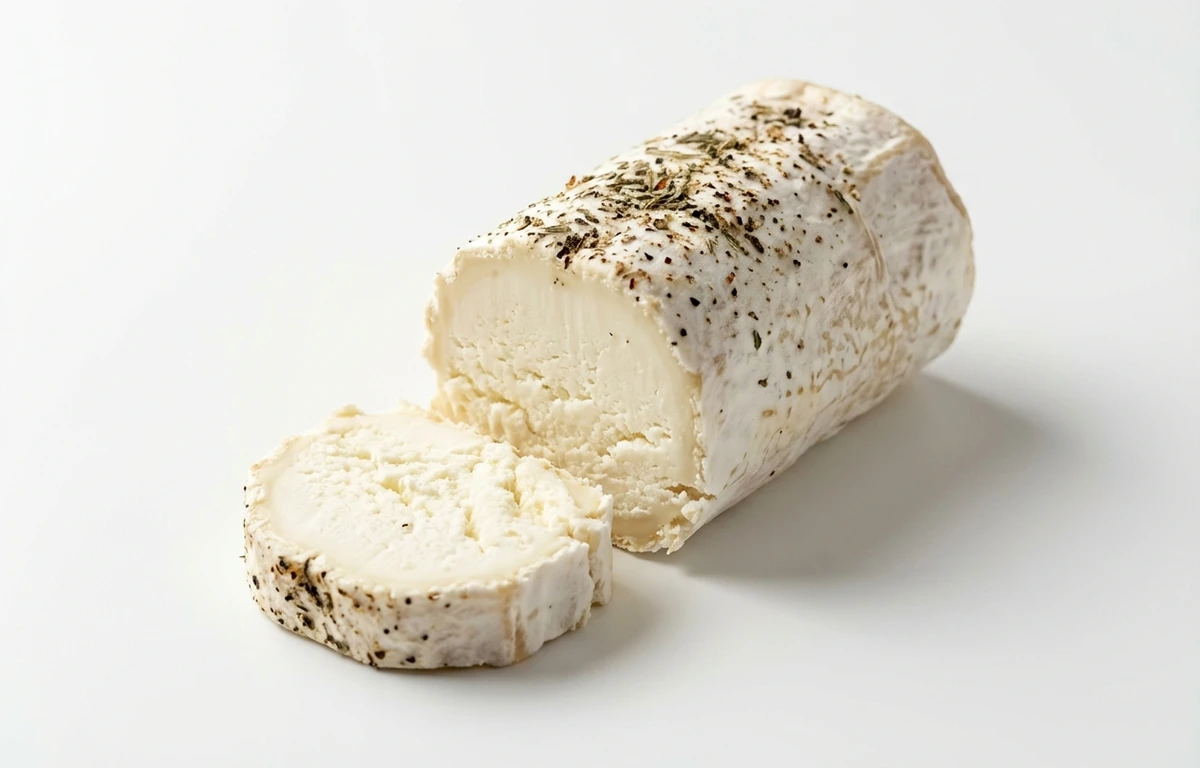
goat cheese.
VegetarianVeganGluten-freeDairy-freeNut-freePeanut-freeSoy-freeEgg-freeShellfish-freeHoney-freeAlcohol-freeFermented
ALSO KNOWN AS
chèvre
SERVING
CALORIES
264
PROTEIN
18.5g
CARBS
0.90g
FAT
21.1g
FIBER
0g
This ingredient is flagged as naturally gluten-free. Per 100 g, it provides 1.8 µg of vitamin K.
NUTRITION PROFILE · per 100 g
Everything in this ingredient.
MACRONUTRIENTS
Calories264kcal—
Protein18.5g37%
Carbohydrates0.90g0%
Fiber0g0%
Sugar0.90g2%
Total fat21.1g27%
Saturated fat14.6g73%
Trans fat0g—
Cholesterol46mg15%
Water54g—
MINERALS
Sodium459mg20%
Potassium26mg1%
Calcium140mg11%
Iron1.6mg9%
Magnesium14mg3%
Phosphorus256mg20%
Zinc0.90mg8%
Copper0.10mg11%
Manganese0mg0%
Selenium2.2µg4%
VITAMINS
Vitamin A293µg33%
Vitamin C0mg0%
Vitamin D0.50µg3%
Vitamin E0.20mg1%
Vitamin K1.8µg2%
Thiamin (B1)0.04mg3%
Riboflavin (B2)0.38mg29%
Niacin (B3)0.30mg2%
Pantothenic acid (B5)0.30mg6%
Vitamin B60.05mg3%
Folate (B9)6.0µg2%
Vitamin B120.20µg8%
%DV based on a 2,000 cal diet. Source: USDA FoodData Central. A dash in the %DV column means there’s no established Daily Value for that nutrient.
MEASUREMENT CONVERSIONS
How much is what.
1 cup150g
1 tablespoon14g
1 teaspoon5g
1 oz28.4g
1 lb453.6g
HEALTH BENEFITS
Why eat it.
- ✓Easier to digest than cow's milk due to smaller fat globules
- ✓Rich in medium-chain fatty acids which provide quick energy
- ✓Good source of high-quality protein and calcium
- ✓Contains probiotics that support gut health
COOKING TIPS
In the kitchen.
- 1Bring to room temperature for 30 minutes before serving to enhance flavor and texture
- 2Use a warm knife or dental floss to get clean slices of soft logs
- 3Add to hot dishes at the very end of cooking to maintain its creamy consistency
STORAGE
Keep it fresh.
- Store in the original packaging or wrap tightly in wax paper then plastic wrap
- Keep in the coldest part of the refrigerator, usually the back of the bottom shelf
- Consume fresh goat cheese within 1 to 2 weeks of opening
FAQ
Frequently asked questions.
How long does goat cheese last in the fridge?
Unopened fresh goat cheese can last up to 4 weeks. Once opened, it should be consumed within 7 to 14 days for optimal freshness.
Can goat cheese be frozen?
Yes, it can be frozen for up to 3 months, but the texture may become more crumbly upon thawing. It is best used for cooking after freezing.
What is a good substitute for goat cheese?
Feta cheese is the closest substitute for its tanginess, while cream cheese or ricotta can replace its creamy texture in spreads.
Is goat cheese lactose-free?
No, it contains lactose, but it has lower levels than cow's milk and different protein structures, making it easier for some sensitive individuals to digest.
How can I tell if goat cheese has gone bad?
Look for signs of fuzzy mold (that isn't part of the rind), a sour or ammonia-like smell, or a slimy texture.
Why is goat cheese white instead of yellow?
Goats process beta-carotene into Vitamin A in their bodies, so it doesn't end up in their milk, resulting in a pure white cheese.
What foods pair well with goat cheese?
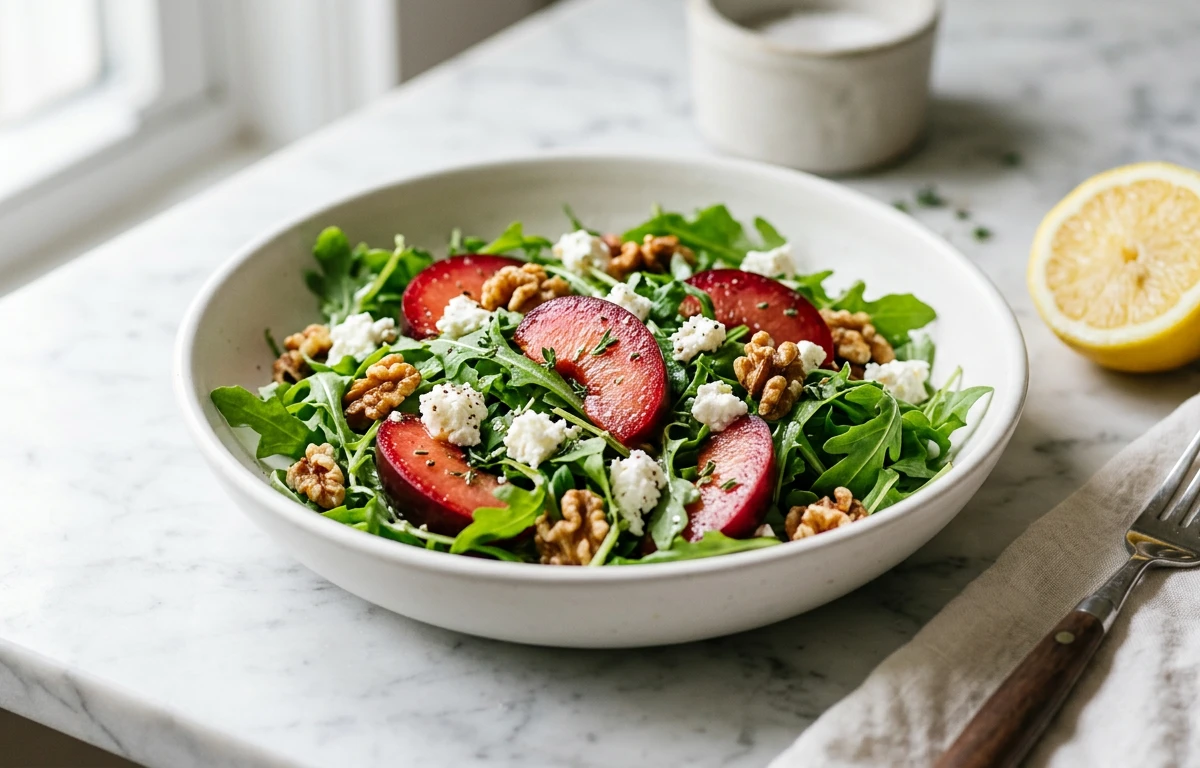
It pairs excellently with honey, walnuts, beets, figs, arugula, and crisp white wines like Sauvignon Blanc.
Is goat cheese healthier than cow cheese?
It generally contains fewer calories and less sodium than many cow cheeses, and its fatty acid profile is often considered more heart-healthy.
RECIPES
Cook with goat cheese.
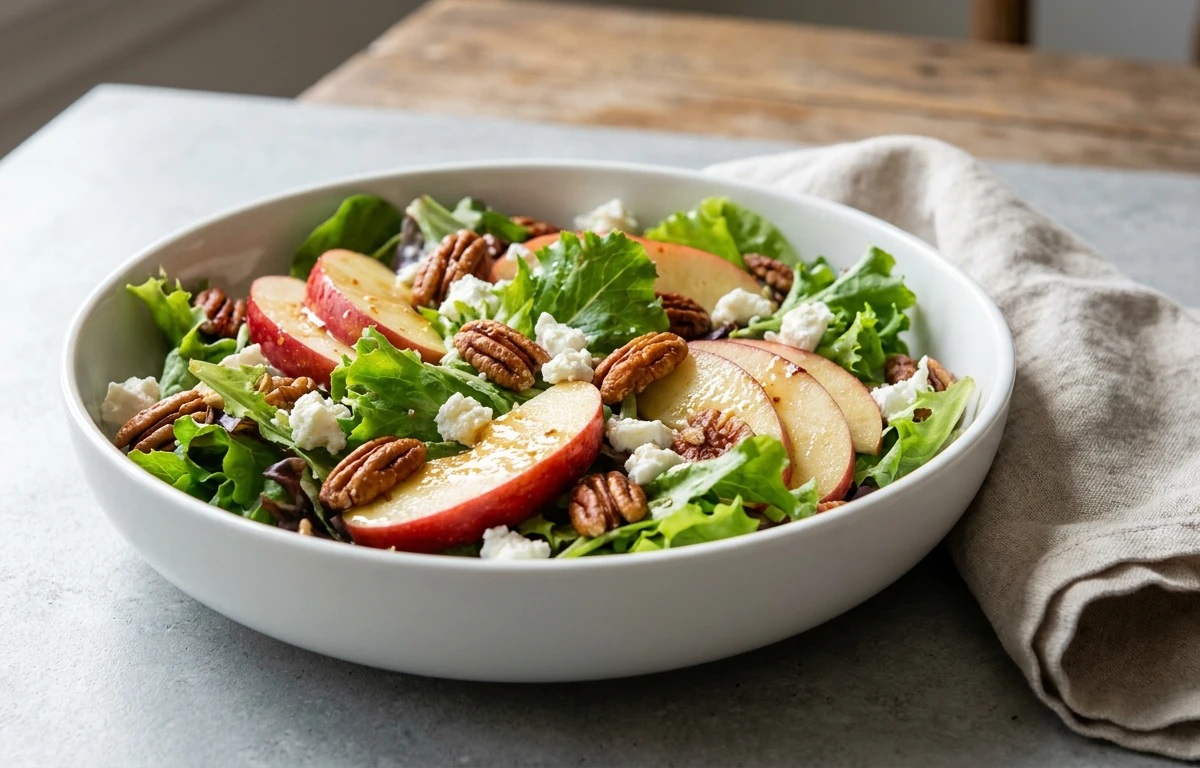
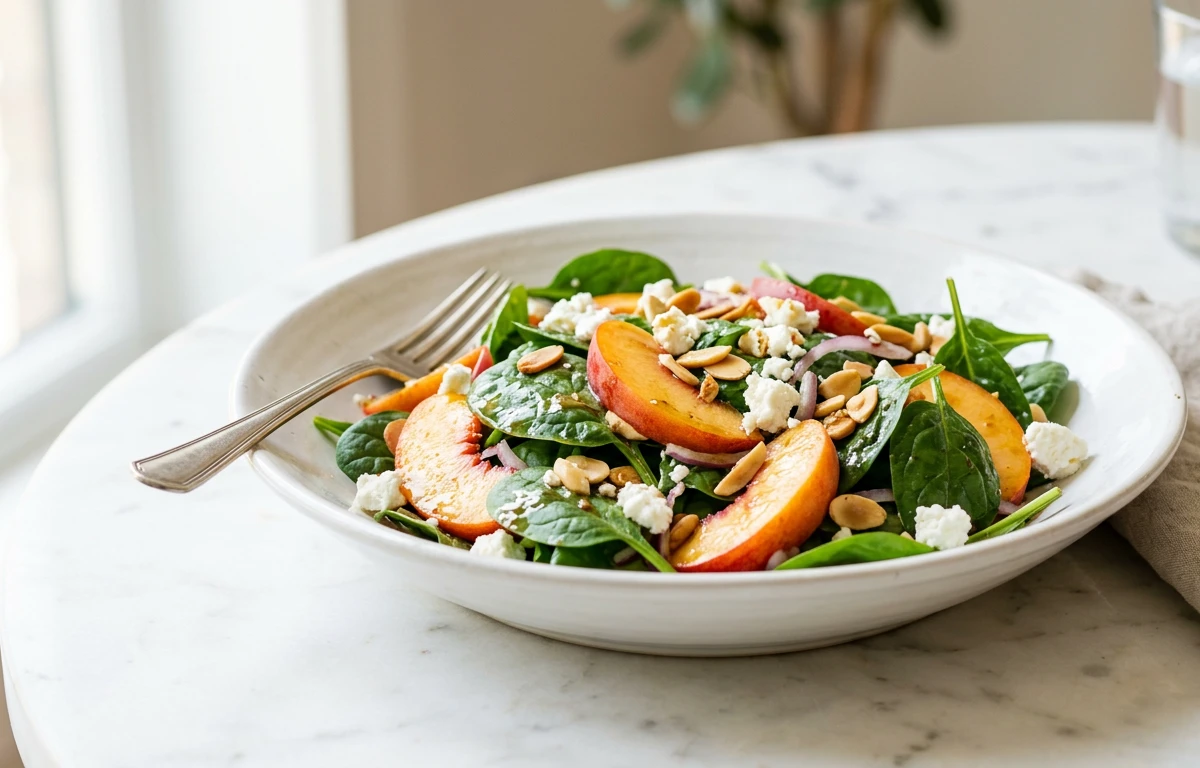
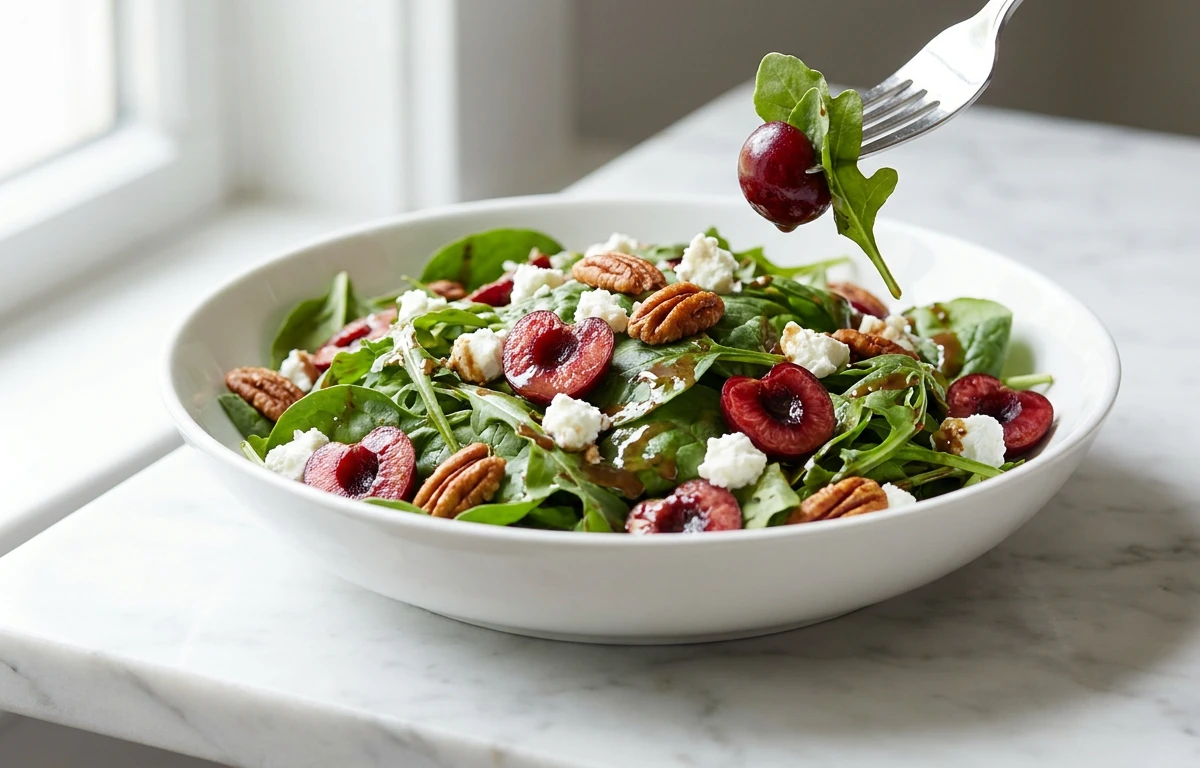
10 recipes · sorted by what’s quick