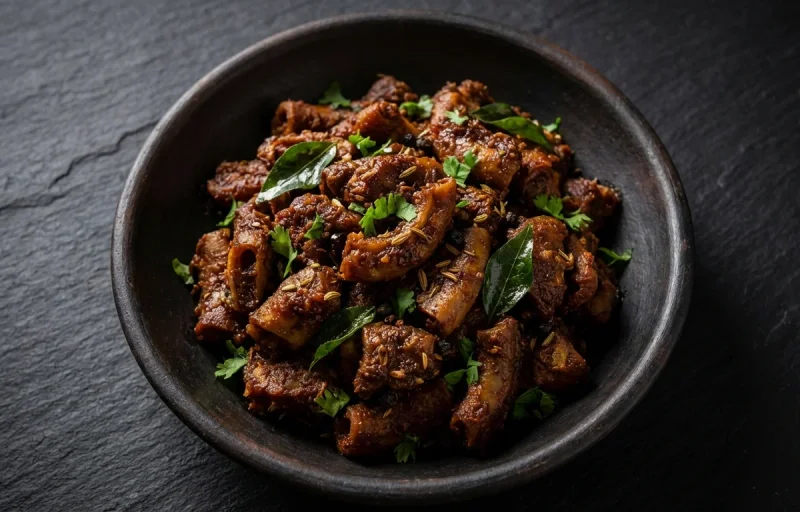
Other2 recipes
goat intestine.
VegetarianVeganGluten-freeDairy-freeNut-freePeanut-freeSoy-freeEgg-freeShellfish-freeHoney-freeAlcohol-free
ALSO KNOWN AS
goat chitterlingsbotigoat intestines
SERVING
CALORIES
94
PROTEIN
16.2g
CARBS
0g
FAT
3.4g
FIBER
0g
This ingredient is flagged as naturally gluten-free. Per 100 g, it provides 0 µg of vitamin K.
NUTRITION PROFILE · per 100 g
Everything in this ingredient.
MACRONUTRIENTS
Calories94kcal—
Protein16.2g32%
Carbohydrates0g0%
Fiber0g0%
Sugar0g0%
Total fat3.4g4%
Saturated fat1.2g6%
Trans fat0g—
Cholesterol160mg53%
Water79g—
MINERALS
Sodium85mg4%
Potassium220mg5%
Calcium12mg1%
Iron1.8mg10%
Magnesium15mg4%
Phosphorus140mg11%
Zinc2.1mg19%
Copper0.10mg11%
Manganese0.03mg1%
Selenium18.5µg34%
VITAMINS
Vitamin A0µg0%
Vitamin C0mg0%
Vitamin D0µg0%
Vitamin E0.10mg1%
Vitamin K0µg0%
Thiamin (B1)0.05mg4%
Riboflavin (B2)0.25mg19%
Niacin (B3)3.2mg20%
Pantothenic acid (B5)0.60mg12%
Vitamin B60.10mg6%
Folate (B9)5.0µg1%
Vitamin B122.5µg104%
%DV based on a 2,000 cal diet. Source: USDA FoodData Central. A dash in the %DV column means there’s no established Daily Value for that nutrient.
MEASUREMENT CONVERSIONS
How much is what.
1 cup150g
1 tablespoon9g
1 teaspoon3g
1 oz28.4g
1 lb453.6g
HEALTH BENEFITS
Why eat it.
- ✓Excellent source of high-quality animal protein
- ✓Rich in Vitamin B12 which supports brain function and red blood cell formation
- ✓Naturally low in carbohydrates
COOKING TIPS
In the kitchen.
- 1Clean multiple times with salt, lemon juice, or vinegar to remove any residual odor
- 2Parboil in water with turmeric and ginger for 15-20 minutes before the main cooking process
- 3Slow cook or use a pressure cooker to ensure the texture becomes tender rather than rubbery
STORAGE
Keep it fresh.
- Store in the coldest part of the refrigerator and use within 1-2 days
- For long-term storage, freeze in airtight, vacuum-sealed bags for up to 3 months
- Always clean thoroughly before storing to prevent bacterial growth and odors
FAQ
Frequently asked questions.
How long does raw goat intestine last in the fridge?
Raw goat intestine is highly perishable and should be stored in the refrigerator for no more than 1 to 2 days.
How do I know if goat intestine is fresh?
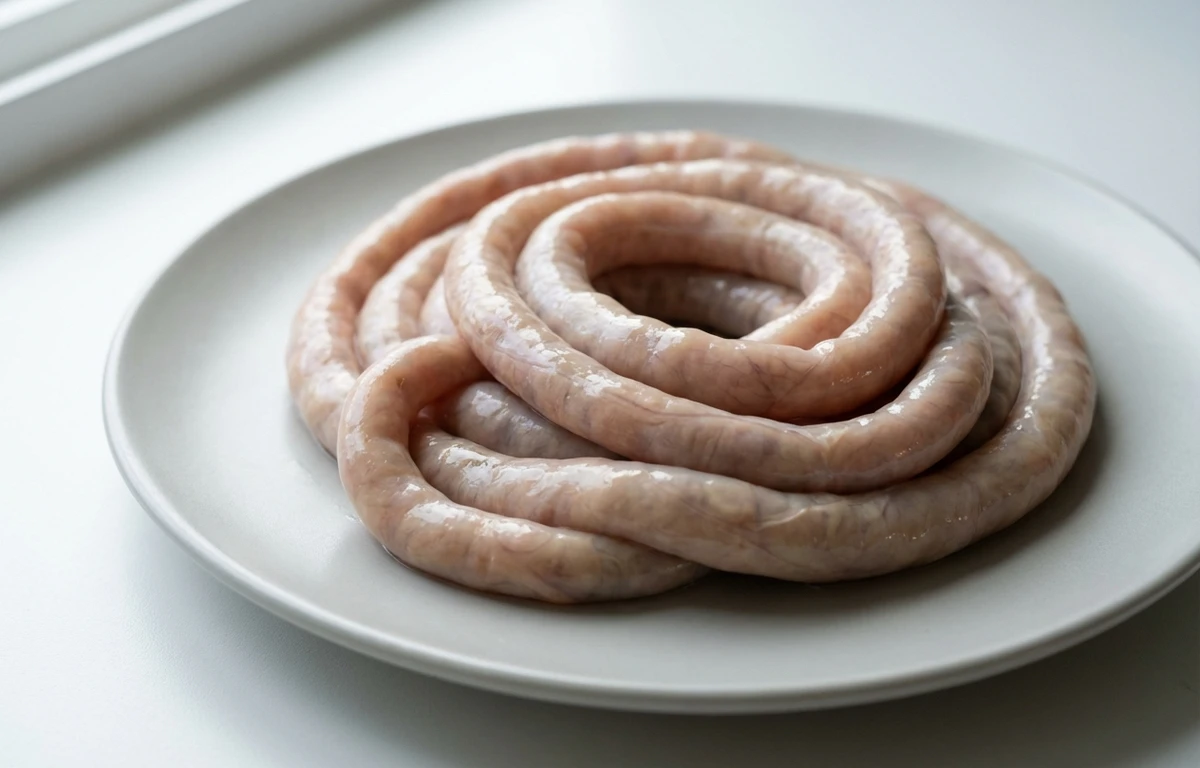
Fresh goat intestine should have a moist appearance, a light pinkish-grey color, and a mild metallic smell. Avoid any that are slimy or have a strong, sour odor.
What is the best way to clean goat intestine?
Turn them inside out and wash thoroughly under running water. Rub with coarse salt and lemon juice or vinegar several times until the water runs clear.
Is goat intestine high in cholesterol?
Yes, like most organ meats, goat intestine is relatively high in cholesterol compared to muscle meat.
What can I use as a substitute for goat intestine?
Lamb intestine is the closest substitute. If intestines are unavailable, tripe (stomach lining) can be used, though the texture and flavor differ slightly.
Why is my goat intestine tough after cooking?
Intestines contain connective tissue that requires long, slow cooking or pressure cooking to break down. High-heat frying without parboiling often results in a rubbery texture.
What are common dishes made with goat intestine?
It is commonly used in stews, sausages (as casings), and traditional dishes like 'Boti Curry' in India or 'Ojree' in Pakistan.
RECIPES
Cook with goat intestine.
2 recipes · sorted by what’s quick