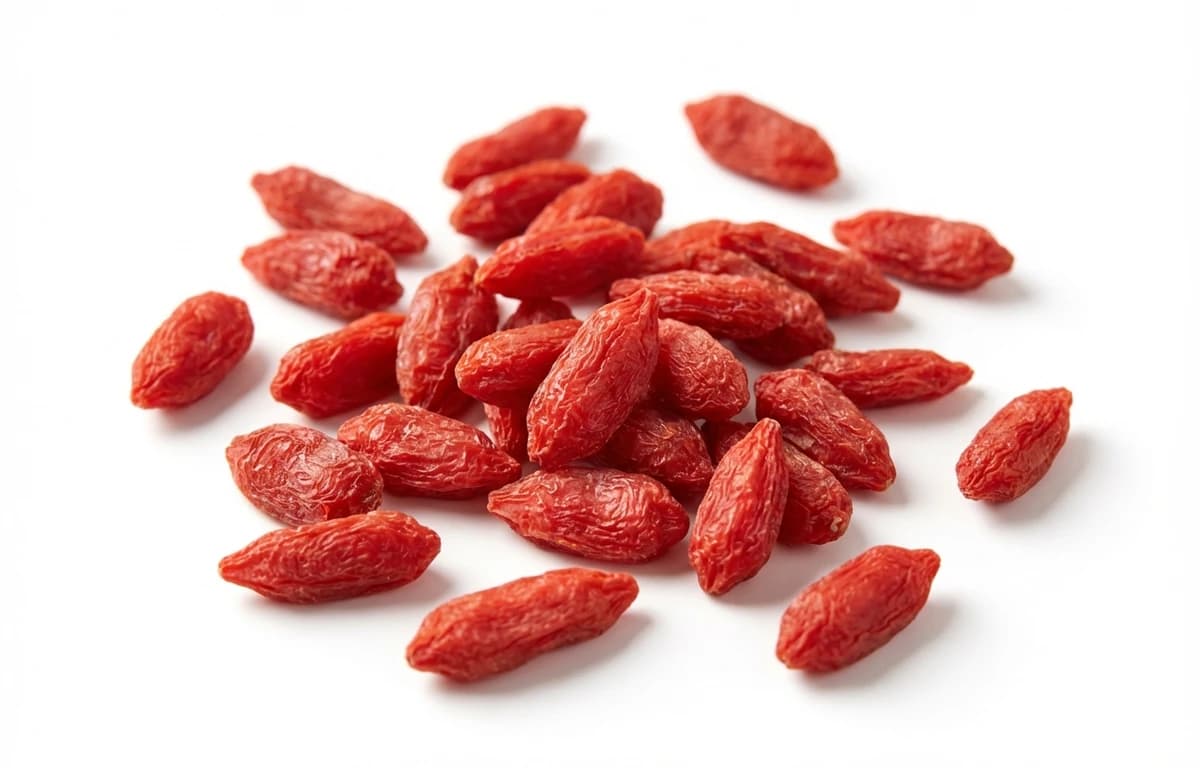
gogji
Also known as:
Loading...
Also known as:
Per 100g
Nutrition data source: USDA FoodData Central

A traditional Kashmiri delight where tender, sweet turnips are simmered in a tangy, aromatic yogurt-based gravy. This dish is subtly spiced with fennel and ginger, offering a unique and comforting flavor that pairs perfectly with steamed rice.

A hearty and unique Kashmiri curry where tender kidney beans meet the subtle sweetness of turnips. Spiced with fennel and ginger, this dish brings the authentic flavors of the valley right to your kitchen.

A traditional Kashmiri curry featuring tender kidney beans and sweet turnips cooked in an aromatic, fennel-spiced gravy. This hearty, no-onion-no-garlic dish is a unique and flavorful way to enjoy rajma, perfect with steamed rice.

A unique and aromatic Kashmiri curry where tender kidney beans meet the subtle sweetness of turnips. Flavored with fennel and ginger powder, this dish offers a comforting and authentic taste of the valley, best enjoyed with steamed rice.
Yes, goji berries are highly nutritious, packed with antioxidants like zeaxanthin, vitamins A and C, and are a rare plant-based source of complete protein. They support eye health, boost immunity, and contribute to overall well-being.
Goji berries are rich in antioxidants, particularly zeaxanthin, which is vital for eye health. They provide significant amounts of vitamins A and C, supporting immune function and skin health. Uniquely, they contain all eight essential amino acids, making them a complete protein source.
Per 100g, goji berries contain approximately 14.3g of protein. This is notably high for a fruit, making them an excellent plant-based protein source, especially for vegetarians and vegans.
Yes, goji berries are naturally vegan as they are a fruit. They are also naturally gluten-free, making them suitable for individuals following these dietary restrictions.
Goji berries may help manage blood sugar levels and improve insulin sensitivity due to their unique polysaccharide content. However, they do contain natural sugars, so diabetics should consume them in moderation and monitor their blood sugar, consulting with a healthcare professional.
Goji berries can be eaten raw, dried, or rehydrated. They are commonly added to smoothies, oatmeal, yogurt, trail mixes, and baked goods. They can also be steeped in hot water for a nutritious tea or used in savory dishes.
Goji berries have a unique taste, often described as a blend of sweet and slightly tart, with a subtle herbal or earthy undertone. Some compare their flavor to cranberries or cherries, but milder.
gogji is a versatile ingredient found in cuisines around the world. With 349 calories per 100g and 14.3 grams of protein, it's a nutritious addition to many dishes.
Explore more ingredients in the fruit category with complete nutrition information.
View all fruit →Dried goji berries should be stored in an airtight container in a cool, dark, and dry place, like a pantry. This helps maintain their freshness and prevents them from clumping or spoiling. They can last for up to a year or more when stored properly.
While not a magic bullet, goji berries can be a healthy addition to a weight loss diet due to their relatively high fiber and protein content, which can promote satiety. Their low fat and nutrient density make them a good snack choice, but portion control is still important due to their calorie content.
Yes, goji berries may interact with certain medications, particularly blood thinners like warfarin, potentially increasing the risk of bleeding. They might also affect blood sugar levels, so individuals on diabetes medication should be cautious. Always consult a doctor before adding them to your diet if you are on medication.