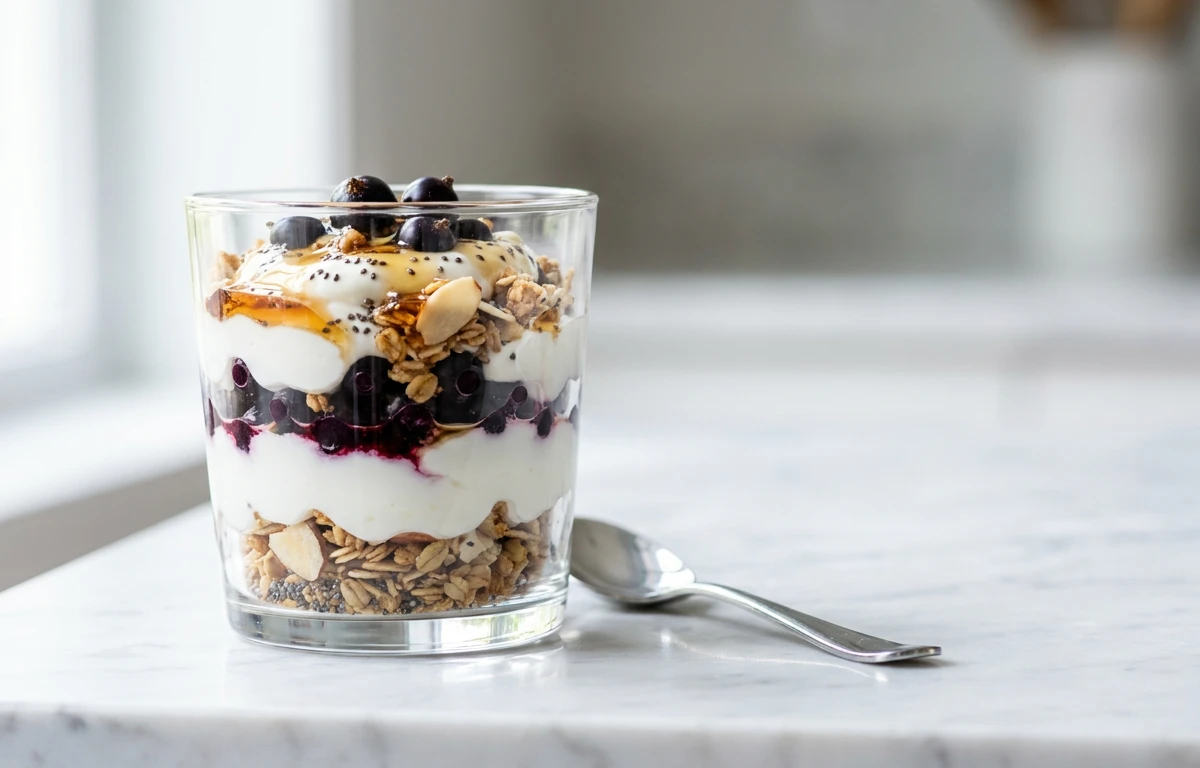
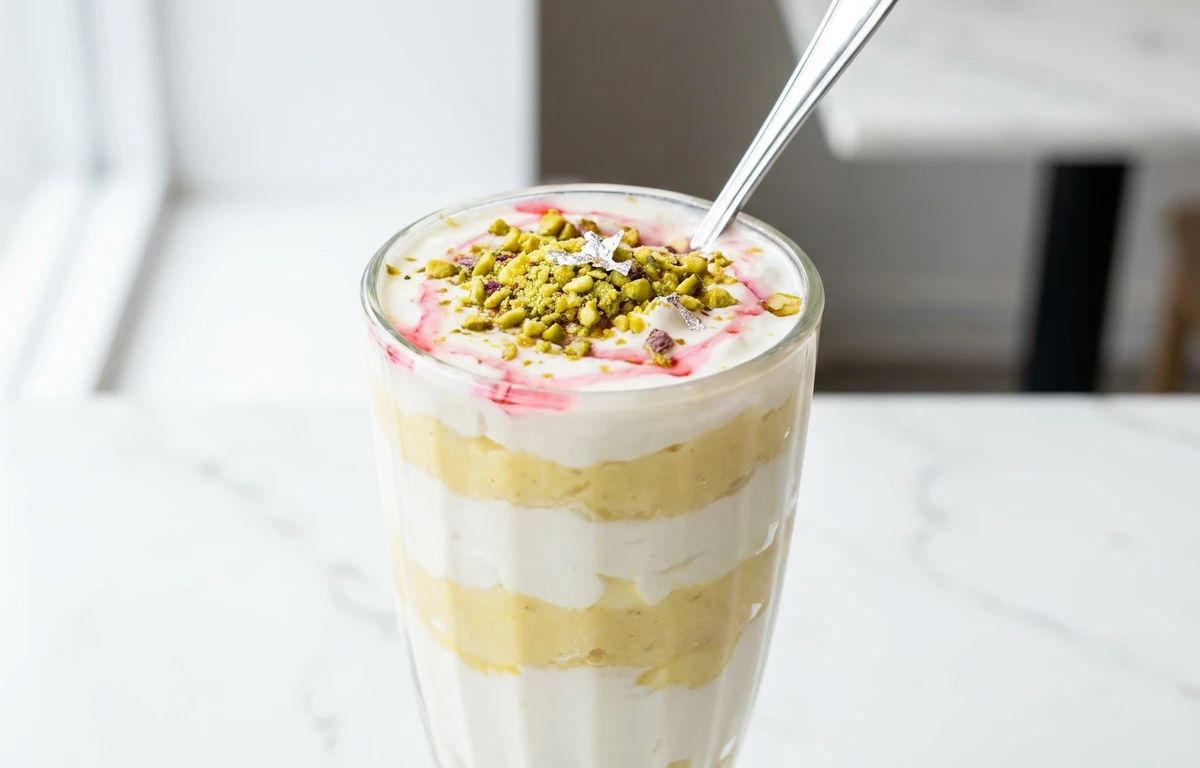
Other10 recipes
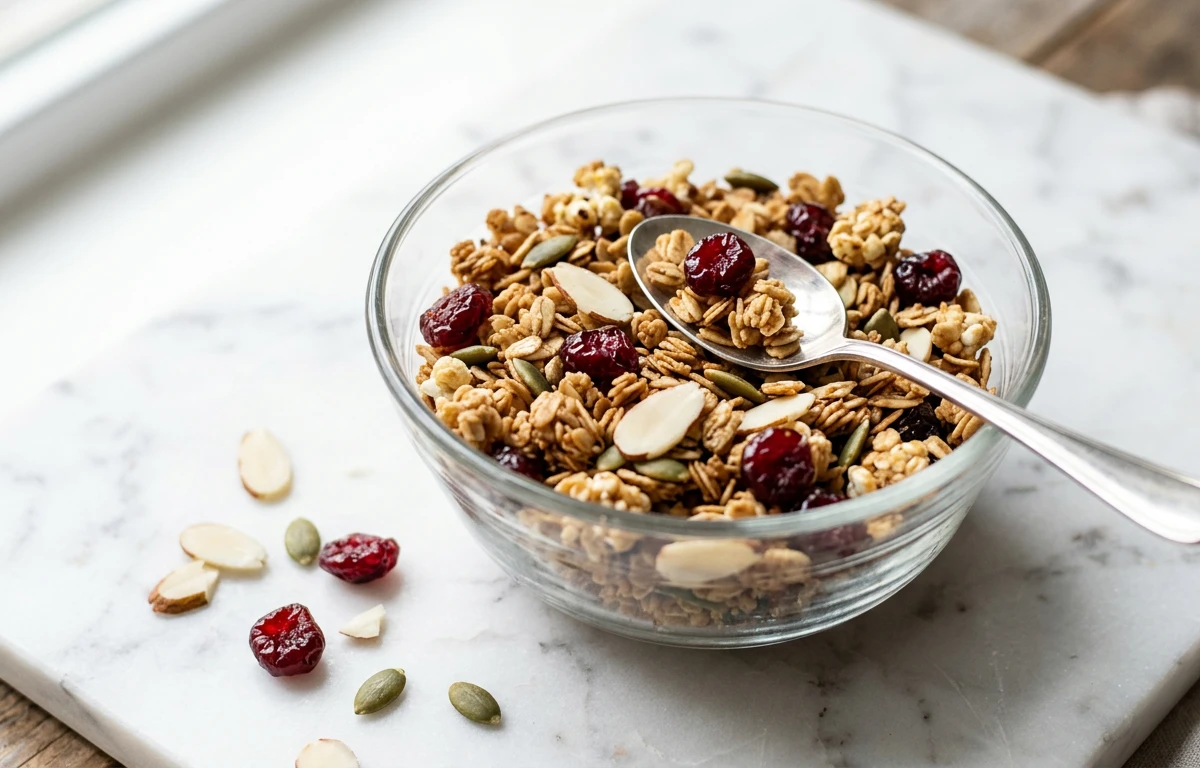
granola.
VegetarianVeganGluten-freeDairy-freeNut-freePeanut-freeSoy-freeEgg-freeShellfish-freeHoney-freeAlcohol-freeWhole grain
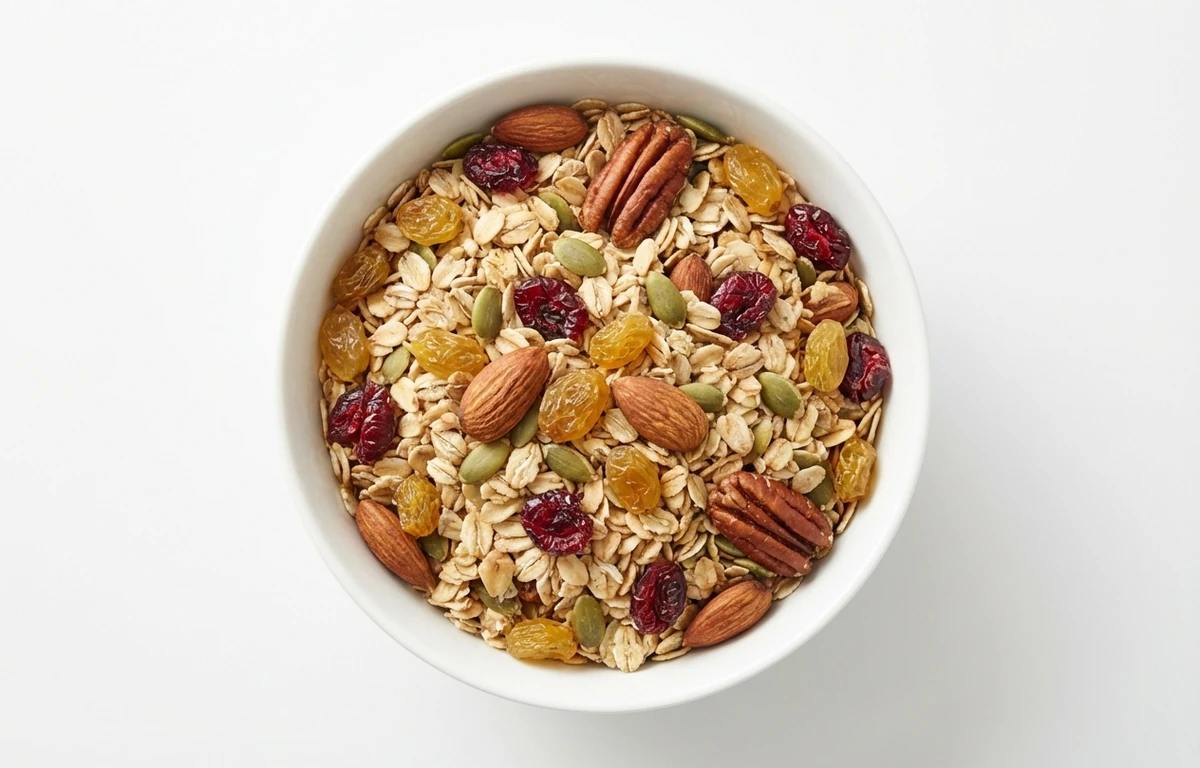
SERVING
CALORIES
489
PROTEIN
13.7g
CARBS
53.9g
FAT
24.3g
FIBER
8.9g
NUTRITION PROFILE · per 100 g
Everything in this ingredient.
MACRONUTRIENTS
Calories489kcal—
Protein13.7g27%
Carbohydrates53.9g20%
Fiber8.9g32%
Sugar19.8g40%
Total fat24.3g31%
Saturated fat4.0g20%
Trans fat0.02g—
Cholesterol0mg0%
Water5.8g—
MINERALS
Sodium26mg1%
Potassium539mg11%
Calcium76mg6%
Iron4.0mg22%
Magnesium168mg40%
Phosphorus431mg34%
Zinc4.2mg38%
Copper0.65mg72%
Manganese4.0mg174%
Selenium25.4µg46%
VITAMINS
Vitamin A1.0µg0%
Vitamin C1.2mg1%
Vitamin D0µg0%
Vitamin E11.1mg74%
Vitamin K5.3µg4%
Thiamin (B1)0.55mg46%
Riboflavin (B2)0.35mg27%
Niacin (B3)2.7mg17%
Pantothenic acid (B5)0.75mg15%
Vitamin B60.37mg22%
Folate (B9)84µg21%
Vitamin B120µg0%
%DV based on a 2,000 cal diet. Source: USDA FoodData Central. A dash in the %DV column means there’s no established Daily Value for that nutrient.
MEASUREMENT CONVERSIONS
How much is what.
1 cup122g
1 tablespoon7.6g
1 teaspoon2.5g
1 ml0.5g
1 liter508.3g
HEALTH BENEFITS
Why eat it.
- ✓Rich in fiber from whole oats, which aids digestion, promotes satiety, and can help manage blood sugar levels.
- ✓Provides a good source of energy from complex carbohydrates and healthy fats from nuts and seeds.
- ✓Contains essential minerals like iron, magnesium, phosphorus, and zinc, which are important for various bodily functions.
- ✓Can be a source of antioxidants, particularly from nuts, seeds, and dried fruits, which help combat oxidative stress.
COOKING TIPS
In the kitchen.
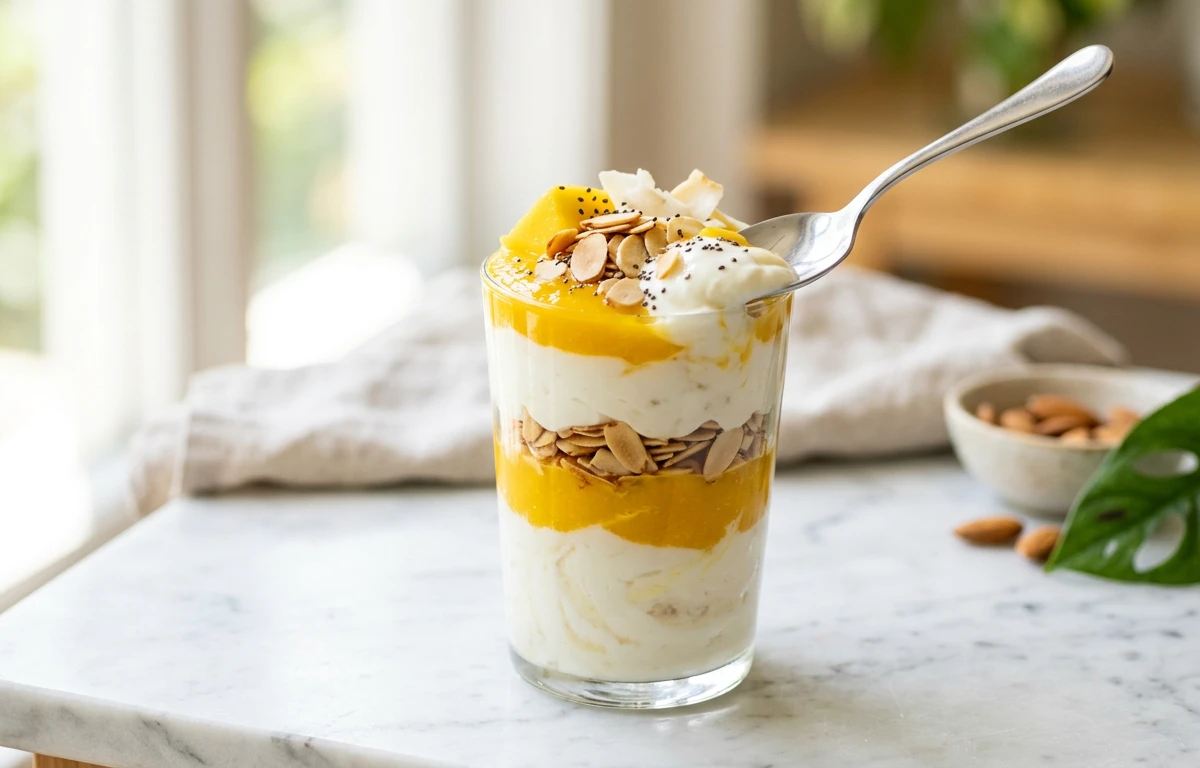
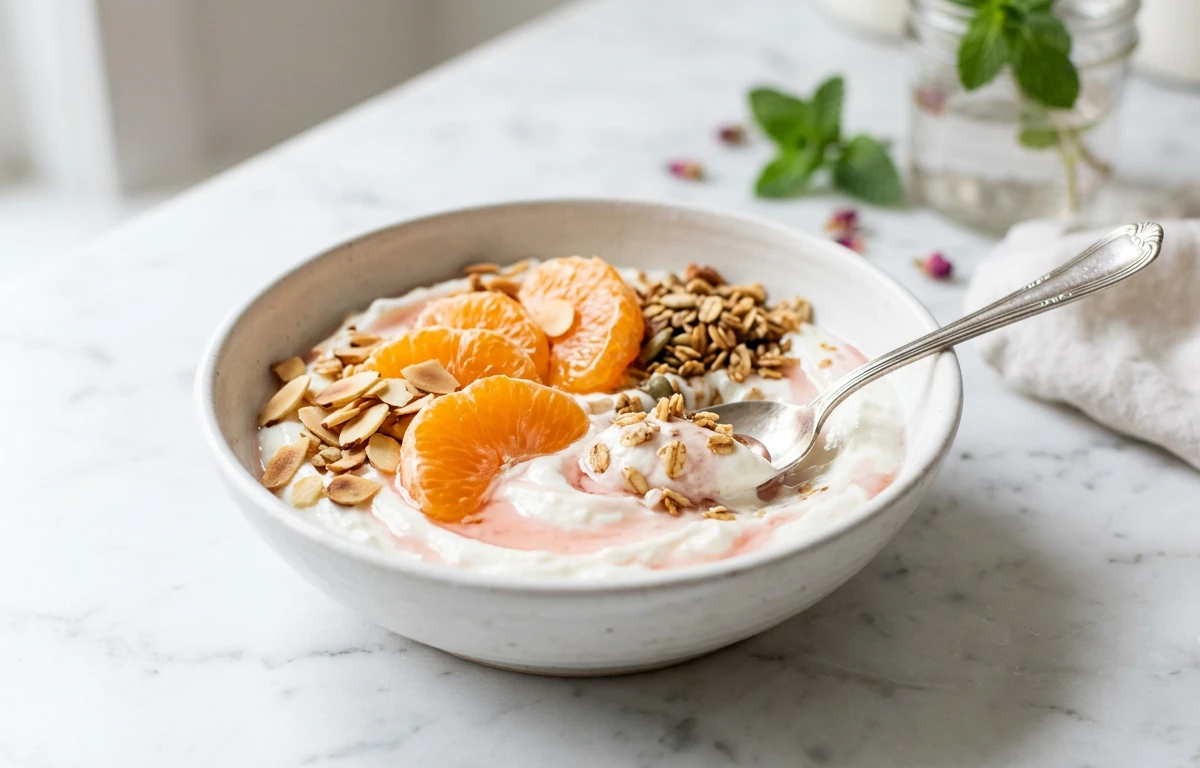
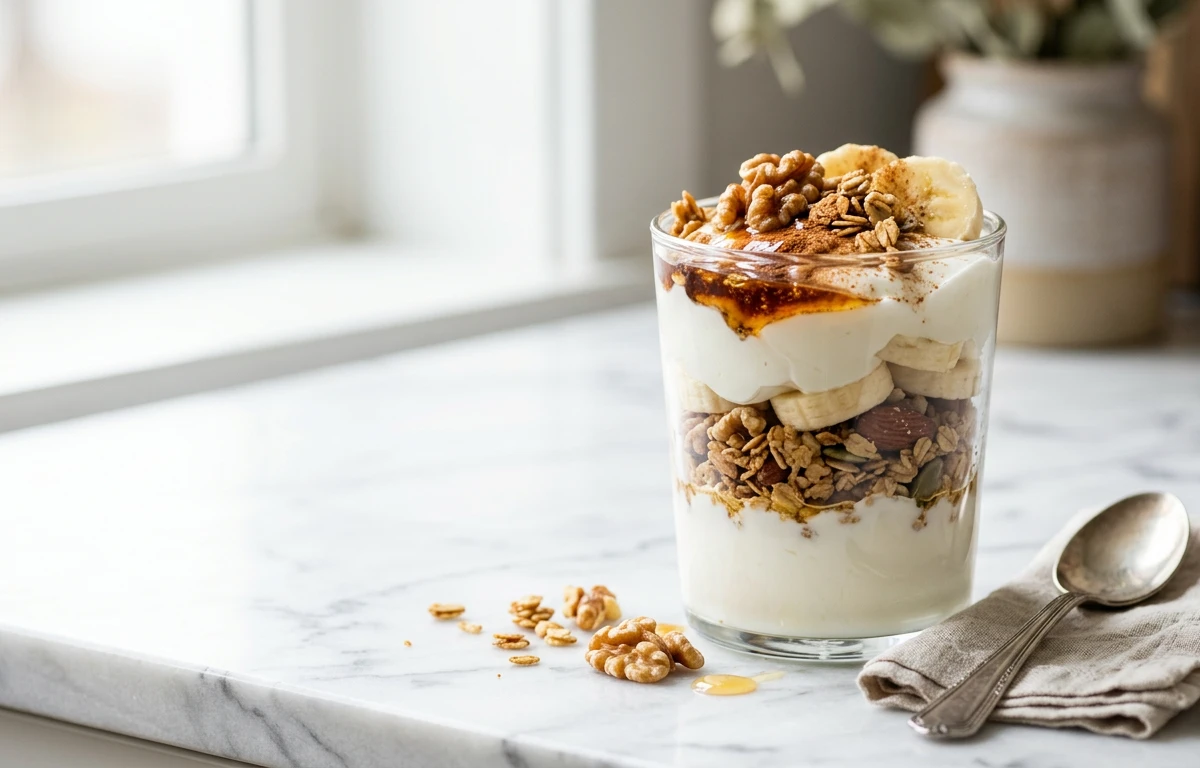
- 1Use as a topping for yogurt, smoothie bowls, or oatmeal to add texture, flavor, and nutrients.
- 2Incorporate into baked goods like muffins, cookies, or bread for added crunch and fiber.
- 3Create homemade granola bars by mixing with a binder like honey, maple syrup, or nut butter and pressing into a pan before chilling or baking.
- 4Serve with milk or a plant-based alternative as a breakfast cereal.
STORAGE
Keep it fresh.
- Store in an airtight container at room temperature in a cool, dark place for up to one month to maintain crispness.
- For longer storage, freeze granola in a sealed, freezer-safe bag for up to 3-4 months.
FAQ
Frequently asked questions.
Is granola healthy?
Yes, granola can be a healthy food, rich in fiber from whole oats, which aids digestion and promotes satiety. It also provides energy from complex carbohydrates and healthy fats from nuts and seeds, along with essential minerals like iron and magnesium. However, many commercial granolas can be high in added sugars and calories, so portion control and checking labels are important.
How much protein, calories, and carbs are in granola?
Per 100g, granola typically contains around 489 calories, 13.67g of protein, 53.88g of carbohydrates, and 24.31g of fat. These values can vary significantly based on ingredients like nuts, seeds, dried fruits, and added sweeteners in specific brands or homemade recipes.
Is granola good for weight loss?
Granola can be beneficial for weight loss due to its high fiber content, which promotes satiety and helps you feel full longer. However, it is also calorie-dense, so portion control is crucial. Opt for varieties with lower added sugar and higher fiber to support weight management goals.
Is granola gluten-free?
Granola can be gluten-free if made with certified gluten-free oats and other gluten-free ingredients. Traditional oats are naturally gluten-free, but they are often processed in facilities that also handle wheat, leading to cross-contamination. Always check the label for a 'gluten-free' certification if you have celiac disease or gluten sensitivity.
Is granola vegan?
Most granolas are vegan, as they are primarily made from oats, nuts, seeds, and dried fruits. However, some brands may use honey as a sweetener or include dairy-based ingredients like yogurt chips. Always check the ingredient list to ensure it aligns with a vegan diet.
Can diabetics eat granola?
Diabetics can eat granola in moderation, but it's important to choose varieties that are low in added sugars and high in fiber. The fiber from oats can help manage blood sugar levels, but the carbohydrate content, especially from added sweeteners, needs to be considered. Portion control is key, and consulting a doctor or dietitian is recommended.
What are common ways to eat granola?
Granola is commonly enjoyed as a breakfast cereal with milk or yogurt, often topped with fresh fruit. It can also be sprinkled over smoothies, used as a topping for baked goods like muffins or crisps, or simply eaten as a quick, energy-boosting snack on its own.
Can I make my own granola?
Yes, making your own granola at home is simple and allows you to control the ingredients, especially the amount of sugar and type of fats. Basic recipes involve combining oats, nuts, seeds, a sweetener (like maple syrup or honey), and oil, then baking until golden and crisp.
How do you store granola?
Granola should be stored in an airtight container at room temperature in a cool, dry place. This prevents it from going stale, absorbing moisture, or attracting pests. Proper storage helps maintain its crispness and extends its shelf life for several weeks to a few months.
How do you know if granola is fresh or spoiled?
Fresh granola should be crisp and have a pleasant, nutty aroma. If it smells rancid, oily, or has an off-odor, the fats in the nuts and seeds may have gone bad. It might also become soft, chewy, or develop mold if exposed to moisture, indicating it's spoiled and should not be consumed.
RECIPES
Cook with granola.
10 recipes · sorted by what’s quick