Other10 recipes
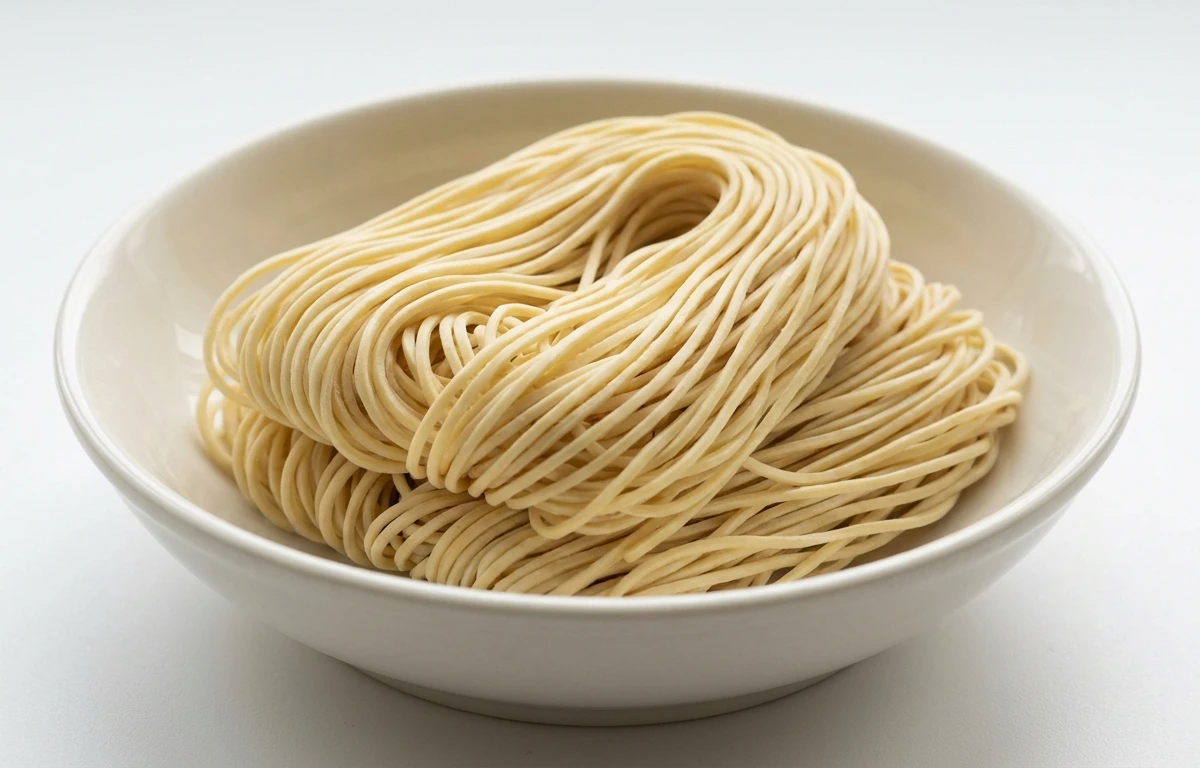
hakka noodles.
VegetarianVeganGluten-freeDairy-freeNut-freePeanut-freeSoy-freeEgg-freeShellfish-freeHoney-freeAlcohol-free
ALSO KNOWN AS
Hakka style noodlesIndian Chinese noodlesNoodlesEgg noodlesMaida noodlesWheat flour noodlesegg pastaenriched egg noodleschinese egg noodlescantonese noodleslo mein noodleswheat egg noodlesHawaiian noodlessaimin noodles
SERVING
CALORIES
371
PROTEIN
13.5g
CARBS
70.5g
FAT
3.5g
FIBER
3.5g
Per 100 g, it provides 0 µg of vitamin K.
NUTRITION PROFILE · per 100 g
Everything in this ingredient.
MACRONUTRIENTS
Calories371kcal—
Protein13.5g27%
Carbohydrates70.5g26%
Fiber3.5g13%
Sugar1.5g3%
Total fat3.5g4%
Saturated fat1.0g5%
Cholesterol50mg17%
Water10g—
MINERALS
Sodium30mg1%
Potassium150mg3%
Calcium20mg2%
Iron2.0mg11%
Magnesium3.0mg1%
Phosphorus20mg2%
Zinc0.25mg2%
Copper0.04mg4%
Manganese0.11mg5%
Selenium4.5µg8%
VITAMINS
Vitamin A20µg2%
Vitamin C0mg0%
Vitamin D0.50µg3%
Vitamin E0.03mg0%
Vitamin K0µg0%
Thiamin (B1)0.02mg2%
Riboflavin (B2)0mg0%
Niacin (B3)0.07mg0%
Pantothenic acid (B5)0.01mg0%
Vitamin B60.01mg1%
Folate (B9)1.0µg0%
Vitamin B120µg0%
%DV based on a 2,000 cal diet. Source: USDA FoodData Central. A dash in the %DV column means there’s no established Daily Value for that nutrient.
MEASUREMENT CONVERSIONS
How much is what.
1 cup176g
1 tablespoon11g
1 teaspoon3.7g
1 ml0.7g
1 liter733.3g
HEALTH BENEFITS
Why eat it.
- ✓Provides a concentrated source of carbohydrates for sustained energy.
- ✓Can be fortified with essential B vitamins (like niacin, thiamine, riboflavin, and folate) and iron, supporting metabolism and red blood cell formation.
- ✓Serves as a versatile base for incorporating a wide variety of vegetables, lean proteins, and healthy sauces, making it easy to create balanced meals.
COOKING TIPS
In the kitchen.
- 1Boil in a large pot of well-salted water until al dente, typically 3-7 minutes depending on thickness. Avoid overcooking to maintain texture.
- 2For stir-fries, immediately after boiling, drain and rinse the noodles under cold running water to stop the cooking process and remove excess starch, which prevents clumping.
- 3Toss cooked noodles with a teaspoon of sesame or neutral oil to keep the strands separate if not using immediately.
- 4Can be used in a variety of dishes including stir-fries, soups, salads, or as a side dish.
STORAGE
Keep it fresh.
- Store dry, uncooked noodles in their original packaging or an airtight container in a cool, dark, and dry pantry for up to 1-2 years.
- Refrigerate cooked noodles in an airtight container for up to 3-4 days. Tossing with a small amount of oil can prevent sticking.
- Cooked noodles can be frozen for up to 2-3 months. Ensure they are slightly undercooked before freezing for best texture upon reheating.
FAQ
Frequently asked questions.
Are Hakka noodles healthy?
Hakka noodles provide a concentrated source of carbohydrates, offering sustained energy. Many brands are fortified with essential B vitamins and iron, supporting metabolism and red blood cell formation. However, they are calorie and carb-dense, so portion control is key, especially when combined with rich sauces and oils.
What is the nutritional content of Hakka noodles?
Per 100g, Hakka noodles typically contain around 371 calories, 13.5g of protein, 70.5g of carbohydrates, and 3.5g of fat. They serve as a good base for incorporating a variety of vegetables and lean proteins to create a more balanced meal.
Are Hakka noodles vegan?
Most dry Hakka noodles are vegan, as they are primarily made from wheat flour and water, without eggs. However, it's always best to check the ingredient list on the specific package to ensure no animal-derived products like egg or dairy are included.
What are Hakka noodles best used for?
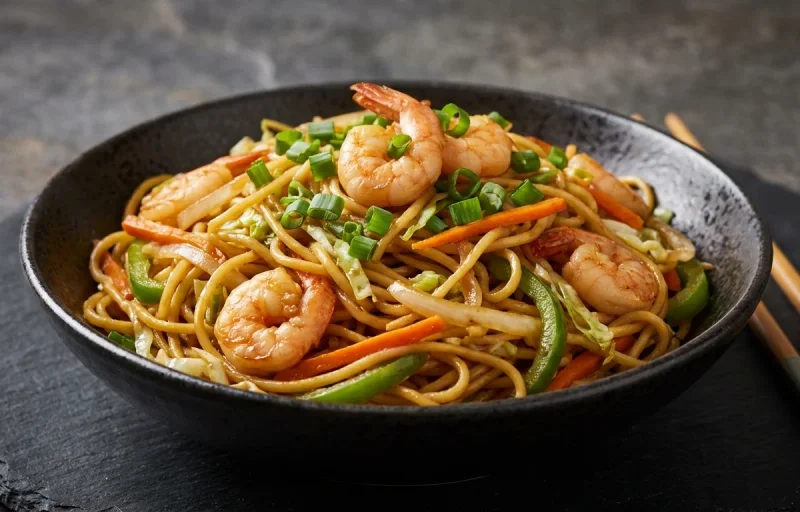
Hakka noodles are incredibly versatile and are best known for their use in stir-fries, particularly in Indo-Chinese cuisine. Their neutral flavor and firm texture make them excellent for absorbing the flavors of sauces, vegetables, and proteins in dishes like Hakka Noodle Stir-fry or Chow Mein.
How do you store Hakka noodles?
Uncooked, dry Hakka noodles should be stored in a cool, dry place in an airtight container, away from direct sunlight. Cooked Hakka noodles should be refrigerated in an airtight container and consumed within 3-4 days. They can also be frozen for longer storage, though texture may change slightly upon thawing.
How long do Hakka noodles last?
Dry, uncooked Hakka noodles typically have a long shelf life, often lasting 1-2 years when stored properly in a pantry. Once cooked, they should be refrigerated and eaten within 3-4 days. For best quality, avoid leaving cooked noodles at room temperature for more than two hours.
RECIPES
Cook with hakka noodles.
10 recipes · sorted by what’s quick