
Other
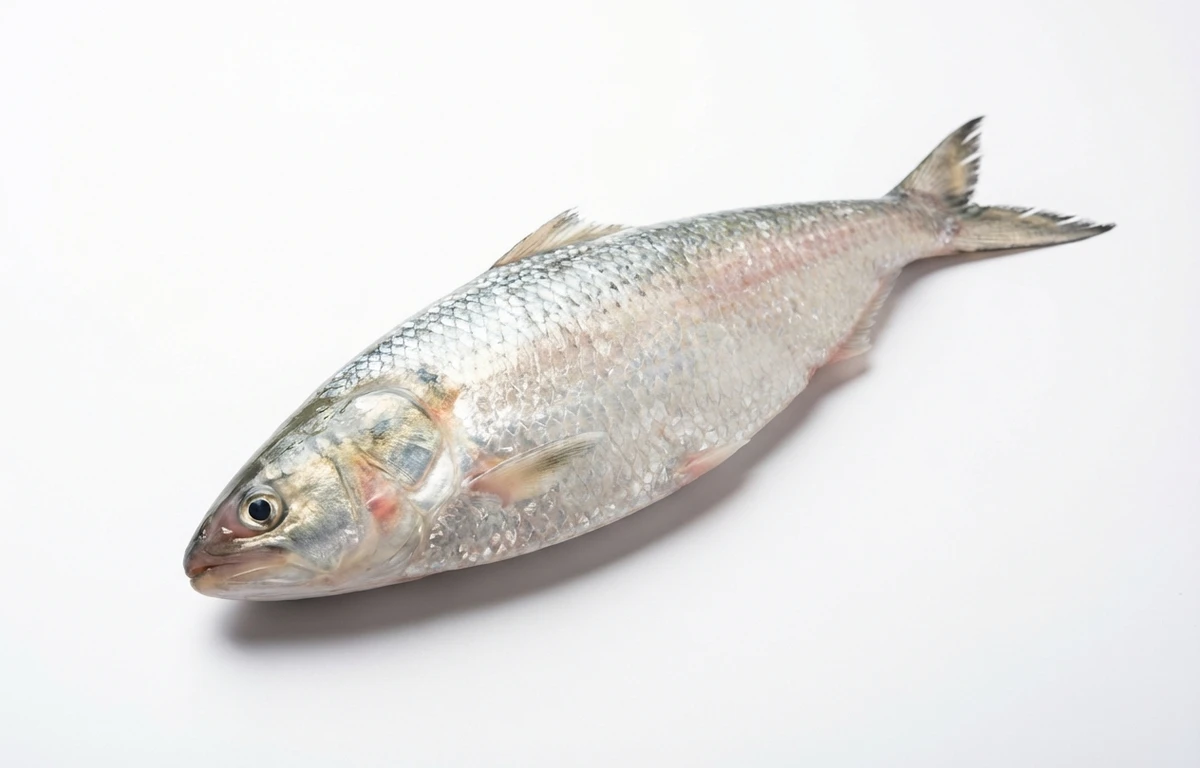
hilsa.
VegetarianVeganGluten-freeDairy-freeNut-freePeanut-freeSoy-freeEgg-freeShellfish-freeHoney-freeAlcohol-free
SERVING
CALORIES
259
PROTEIN
21.8g
CARBS
0g
FAT
18.5g
FIBER
0g
This ingredient is flagged as naturally gluten-free. Per 100 g, it provides 0.94 µg of vitamin K.
NUTRITION PROFILE · per 100 g
Everything in this ingredient.
MACRONUTRIENTS
Calories259kcal—
Protein21.8g44%
Carbohydrates0g0%
Fiber0g0%
Sugar0g0%
Total fat18.5g24%
Saturated fat9.3g46%
Trans fat0g—
Cholesterol82.4mg27%
Water60.1g—
MINERALS
Sodium80.9mg4%
Potassium341mg7%
Calcium19.8mg2%
Iron1.2mg7%
Magnesium30.6mg7%
Phosphorus278mg22%
Zinc0.64mg6%
Copper0.15mg17%
Manganese0.08mg3%
Selenium37.6µg68%
VITAMINS
Vitamin A7.4µg1%
Vitamin C0mg0%
Vitamin D6.0µg30%
Vitamin E1.4mg9%
Vitamin K0.94µg1%
Thiamin (B1)0.01mg1%
Riboflavin (B2)0.04mg3%
Niacin (B3)2.9mg18%
Pantothenic acid (B5)2.3mg47%
Vitamin B6120mg7059%
Biotin (B7)2875µg9583%
Folate (B9)0µg0%
%DV based on a 2,000 cal diet. Source: USDA FoodData Central. A dash in the %DV column means there’s no established Daily Value for that nutrient.
MEASUREMENT CONVERSIONS
How much is what.
1 oz28.4g
1 lb453.6g
1 piece150g
HEALTH BENEFITS
Why eat it.
- ✓Rich in omega-3 fatty acids (EPA and DHA), which support cardiovascular health and brain function.
- ✓Excellent source of high-quality protein, essential for muscle building and tissue repair.
- ✓A good source of Vitamin D and calcium, which work together to promote strong bones and teeth.
COOKING TIPS
In the kitchen.
- 1Hilsa is famous for its numerous fine, intramuscular bones; cook it in a way that softens them, such as steaming or slow-cooking in a gravy.
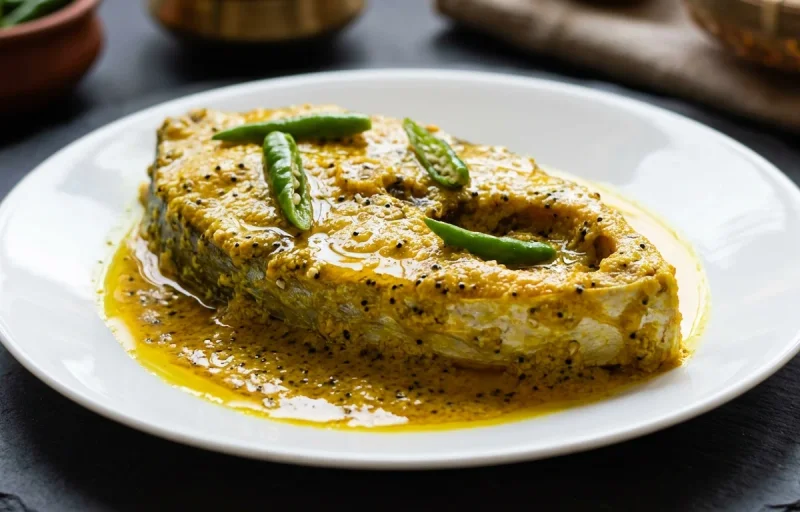
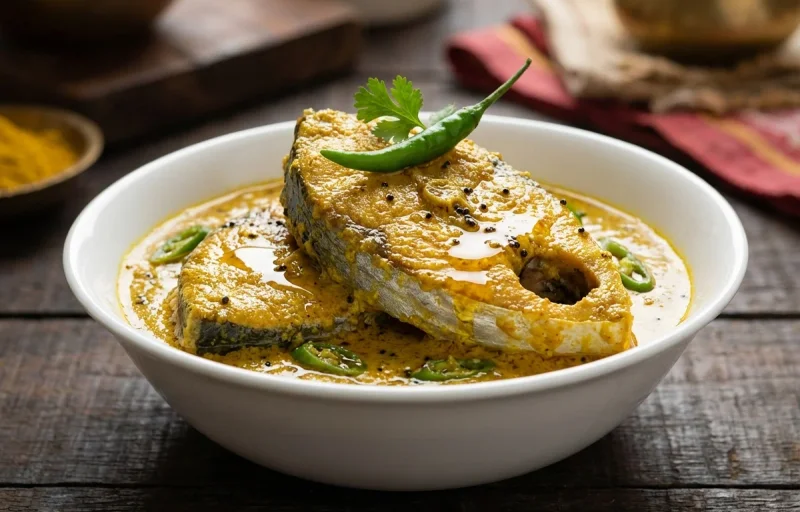
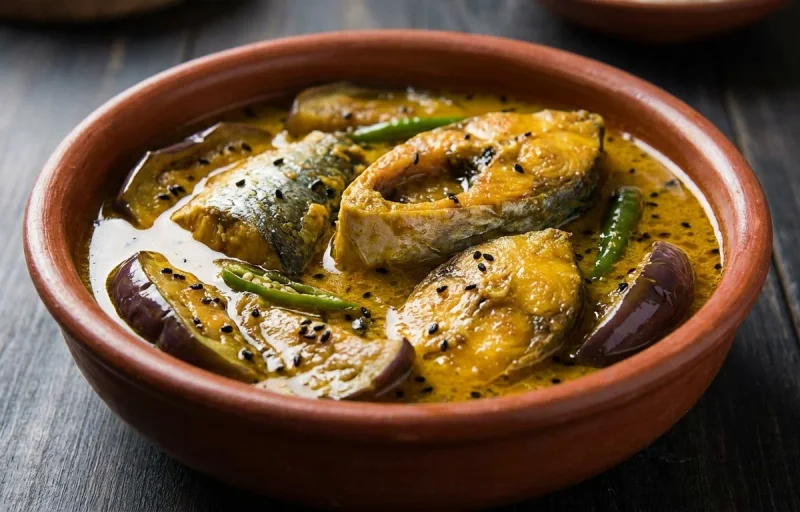
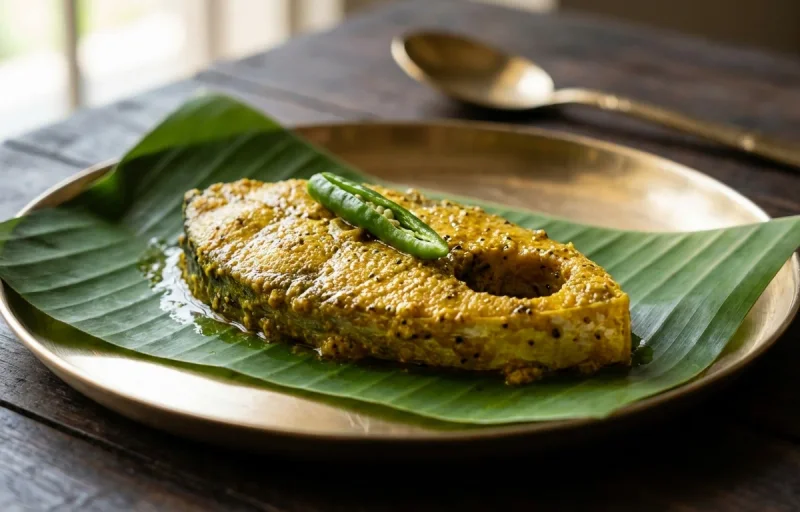
- 2The most iconic preparation is 'Shorshe Ilish', where the fish is cooked in a pungent mustard seed paste.
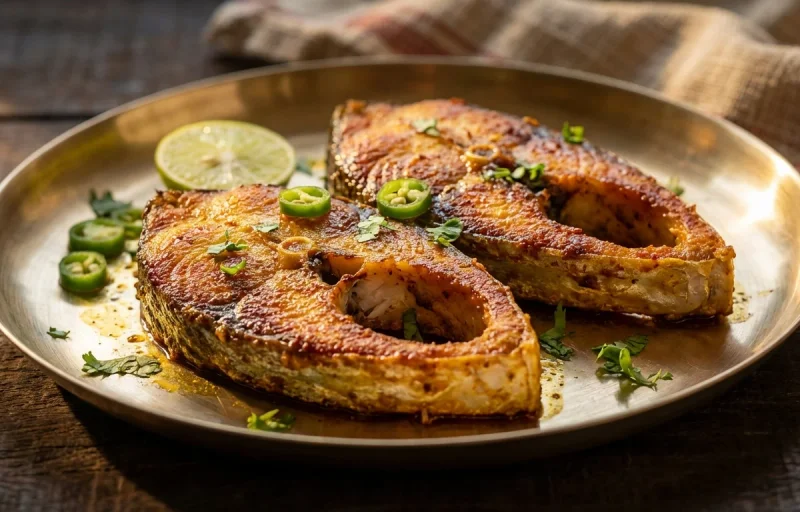
- 3Due to its high oil content, it is excellent for frying ('Ilish Bhaja'), which makes the skin crispy and the flesh succulent.
- 4Avoid overcooking, as the delicate flesh can become dry. Cook just until it turns opaque and flakes easily with a fork.
STORAGE
Keep it fresh.
- Store fresh hilsa in the coldest part of the refrigerator (below 4°C/40°F) and consume within 1-2 days.
- For long-term storage, wrap the fish tightly in plastic wrap and foil or place in a freezer bag, and freeze at -18°C (0°F) for up to 3 months.
FAQ
Frequently asked questions.
Is Hilsa fish healthy?
Yes, Hilsa fish is highly nutritious and considered very healthy. It's an excellent source of omega-3 fatty acids (EPA and DHA), high-quality protein, and essential vitamins and minerals like Vitamin D, calcium, selenium, zinc, and iodine. These nutrients support heart health, brain function, bone strength, and overall well-being.
What are the key nutritional facts for Hilsa fish?
Per 100g serving, Hilsa fish contains approximately 258.84 calories, 21.8g of protein, 18.49g of fat, and 0g of carbohydrates. It's a calorie-dense fish due to its high fat content, which is largely composed of beneficial unsaturated fats.
Is Hilsa fish gluten-free?
Yes, Hilsa fish is naturally gluten-free. As a whole, unprocessed fish, it does not contain any gluten. However, always be mindful of preparation methods and any added ingredients if consuming it in a restaurant or pre-packaged form.
How is Hilsa fish typically prepared or cooked?
Hilsa fish is highly prized for its unique flavor and is often prepared simply to highlight its taste. Common methods include steaming (e.g., 'Bhapa Hilsa'), frying, baking, or cooking in rich mustard-based curries ('Shorshe Hilsa'). It's also popular smoked or grilled.
What does Hilsa fish taste like?
Hilsa fish has a distinctive, rich, and oily flavor with a delicate, flaky texture. Its unique taste is often described as slightly sweet and intensely aromatic, which is why it's so highly sought after. The high oil content contributes to its succulence and depth of flavor.
How should I store fresh Hilsa fish?
Fresh Hilsa should be stored in the coldest part of your refrigerator, ideally on a bed of ice, and consumed within 1-2 days. For longer storage, Hilsa can be frozen. Clean and portion the fish, then wrap it tightly in plastic wrap or freezer paper before placing it in an airtight container or freezer bag, where it can last for several months.
How can I tell if Hilsa fish is fresh?
Look for clear, bright, bulging eyes, not sunken or cloudy. The gills should be bright red, not brown or slimy. The skin should be shiny with intact scales, and the flesh should be firm and spring back when pressed. A fresh Hilsa will have a mild, sea-like smell, not a strong 'fishy' odor.
Does Hilsa fish have many bones?
Yes, Hilsa fish is known for having a significant number of fine, small bones, especially along its sides and belly. While this can make it challenging to eat for some, its exquisite flavor is considered well worth the effort by many enthusiasts. Careful eating is recommended to avoid the bones.
RECIPES
Cook with hilsa.
0 recipes · sorted by what’s quick
.webp)
RELATED GUIDES



















