Protein9 recipes
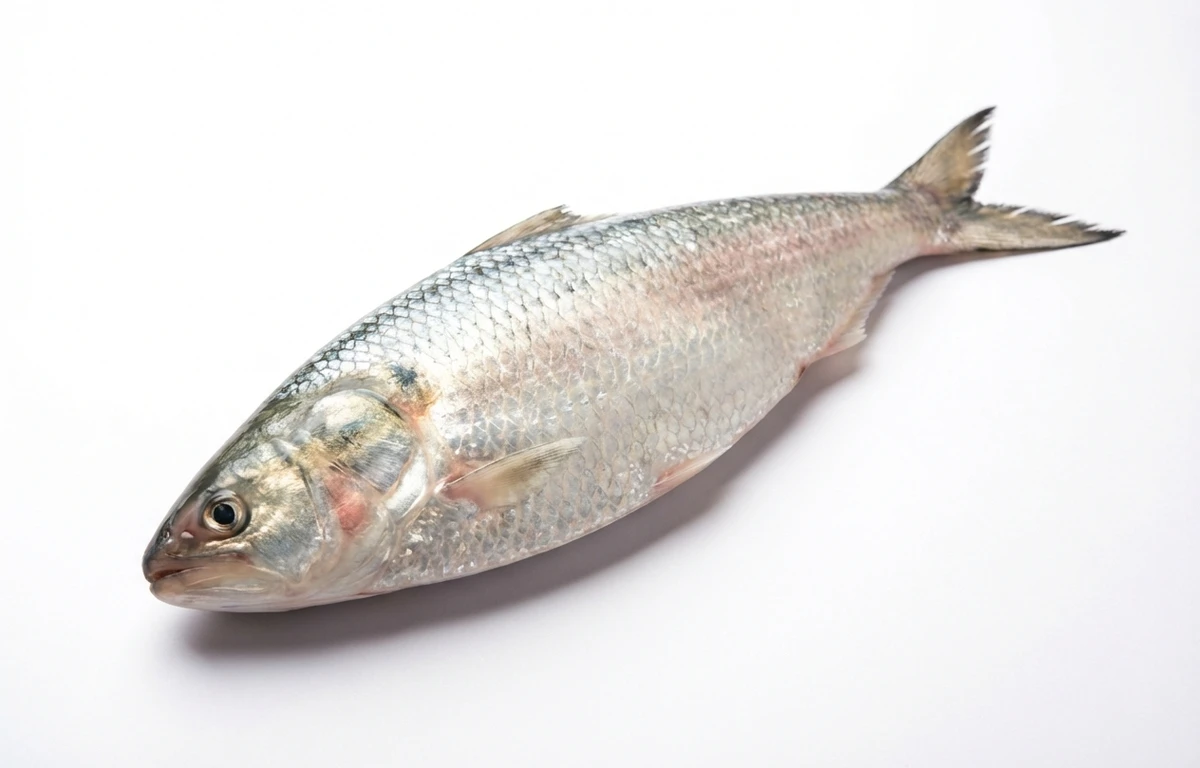
hilsa fish.
VegetarianVeganGluten-freeDairy-freeNut-freePeanut-freeSoy-freeEgg-freeShellfish-freeHoney-freeAlcohol-free
ALSO KNOWN AS
IlishIlishaTenualosa ilishaHilsa herringPalla fishModar
SERVING
CALORIES
273
PROTEIN
21.8g
CARBS
0g
FAT
19.4g
FIBER
0g
NUTRITION PROFILE · per 100 g
Everything in this ingredient.
MACRONUTRIENTS
Calories273kcal—
Protein21.8g44%
Carbohydrates0g0%
Fiber0g0%
Sugar0g0%
Total fat19.4g25%
Saturated fat4.5g23%
Trans fat0g—
Cholesterol85mg28%
Water58.2g—
MINERALS
Sodium72mg3%
Potassium320mg7%
Calcium24mg2%
Iron2.1mg12%
Magnesium35mg8%
Phosphorus210mg17%
Zinc1.2mg11%
Copper0.10mg11%
Manganese0.02mg1%
Selenium36.5µg66%
VITAMINS
Vitamin A45µg5%
Vitamin C0mg0%
Vitamin D12.5µg63%
Vitamin E1.5mg10%
Vitamin K0.10µg0%
Thiamin (B1)0.05mg4%
Riboflavin (B2)0.12mg9%
Niacin (B3)4.5mg28%
Pantothenic acid (B5)0.70mg14%
Vitamin B60.40mg24%
Folate (B9)15µg4%
Vitamin B124.2µg175%
%DV based on a 2,000 cal diet. Source: USDA FoodData Central. A dash in the %DV column means there’s no established Daily Value for that nutrient.
MEASUREMENT CONVERSIONS
How much is what.
1 cup248g
1 tablespoon15.8g
1 teaspoon5.3g
1 oz28.4g
1 lb453.6g
1 ml1.1g
1 liter1050g
1 piece120g
HEALTH BENEFITS
Why eat it.
- ✓Extremely high in Omega-3 fatty acids for heart health
- ✓Excellent source of Vitamin D for bone strength
- ✓Rich in Vitamin B12 which supports nerve function
- ✓High-quality protein for muscle repair
- ✓Contains essential minerals like Selenium and Phosphorus
COOKING TIPS
In the kitchen.
- 1Mustard oil is the traditional and best-suited medium for cooking Hilsa
- 2Avoid overcooking as the high fat content makes it tender very quickly
- 3Steaming (Bhapa) is a preferred method to retain its delicate oils and flavor
STORAGE
Keep it fresh.
- Store in the coldest part of the refrigerator for no more than 1-2 days
- For long-term storage, wrap tightly in plastic wrap and freeze for up to 3 months
- Keep raw fish separate from cooked foods to prevent cross-contamination
FAQ
Frequently asked questions.
How long does Hilsa fish stay fresh in the fridge?
Raw Hilsa should be consumed within 1 to 2 days if kept in the refrigerator. For longer storage, it must be frozen.
How can I identify a high-quality Hilsa fish?
Look for bright, clear eyes, red gills, firm flesh that springs back when pressed, and shiny, silvery scales.
What is a good substitute for Hilsa fish?
Sardines, Shad, or Mackerel are the best substitutes due to their similar oily texture and strong flavor profile.
Does Hilsa fish have many bones?
Yes, Hilsa is known for having a very high number of fine intramuscular bones, requiring careful eating.
Is Hilsa fish high in mercury?
Hilsa generally has moderate mercury levels; it is safe for most adults but should be consumed in moderation by pregnant women.
What are the most popular Hilsa dishes?
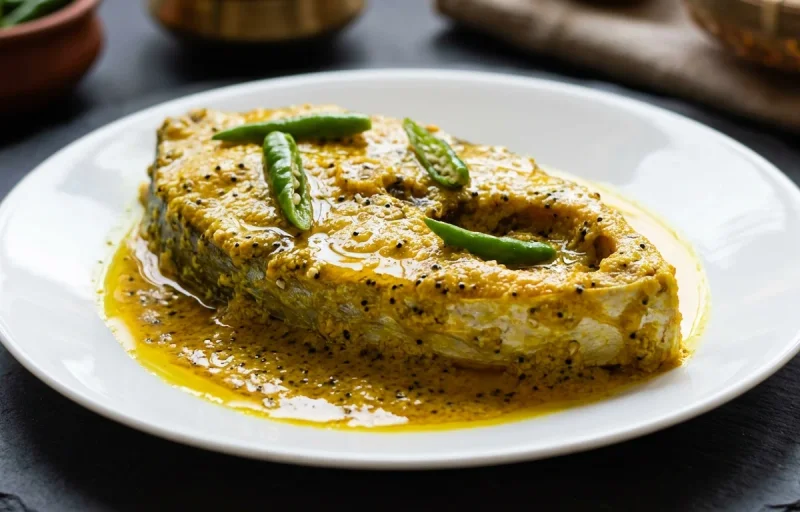
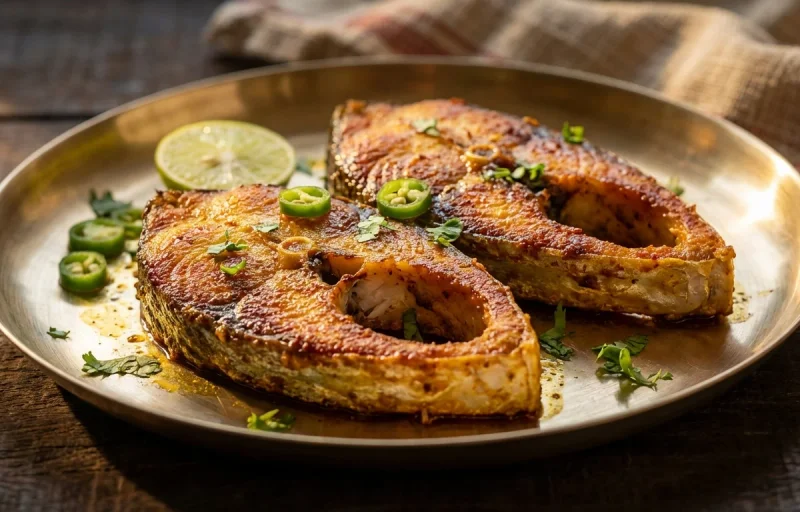
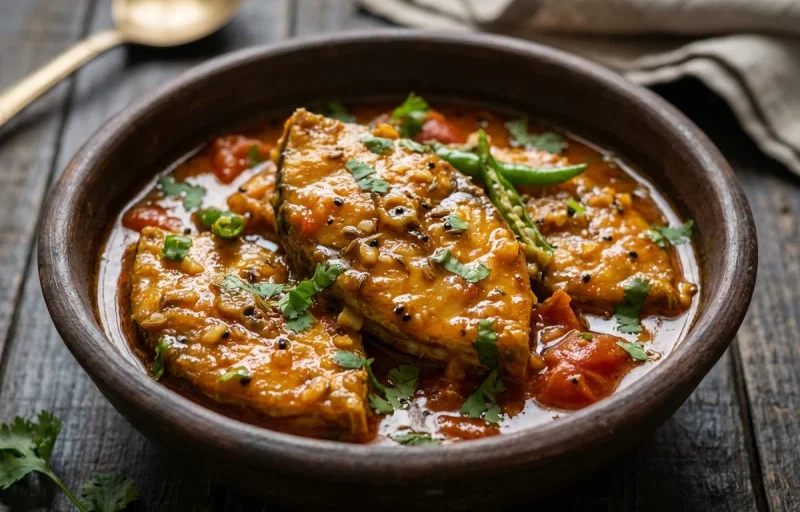
Popular dishes include Shorshe Ilish (mustard gravy), Ilish Macher Jhol (light curry), and Bhapa Ilish (steamed).
Can Hilsa be frozen?
Yes, it freezes well. Clean and pat it dry before wrapping tightly to prevent freezer burn; it lasts about 3 months.
When is Hilsa fish in season?
The peak season for Hilsa is during the monsoon months (July to September) when they migrate to rivers to spawn.
Is Hilsa good for weight loss?
While high in healthy fats, it is calorie-dense. It is nutritious but should be portion-controlled in a weight loss diet.
RECIPES
Cook with hilsa fish.
9 recipes · sorted by what’s quick