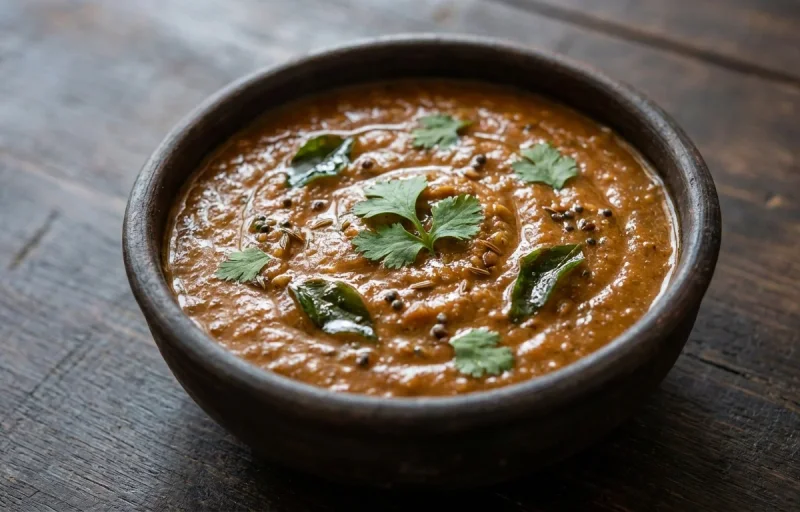
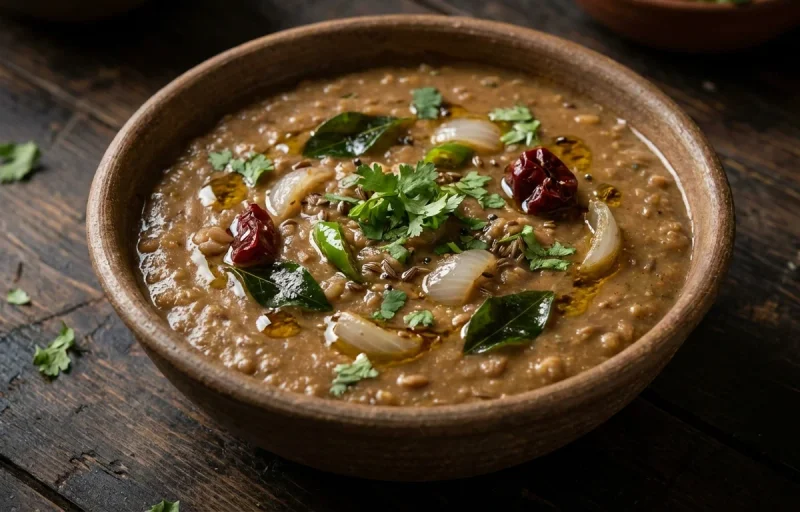
Protein2 recipes
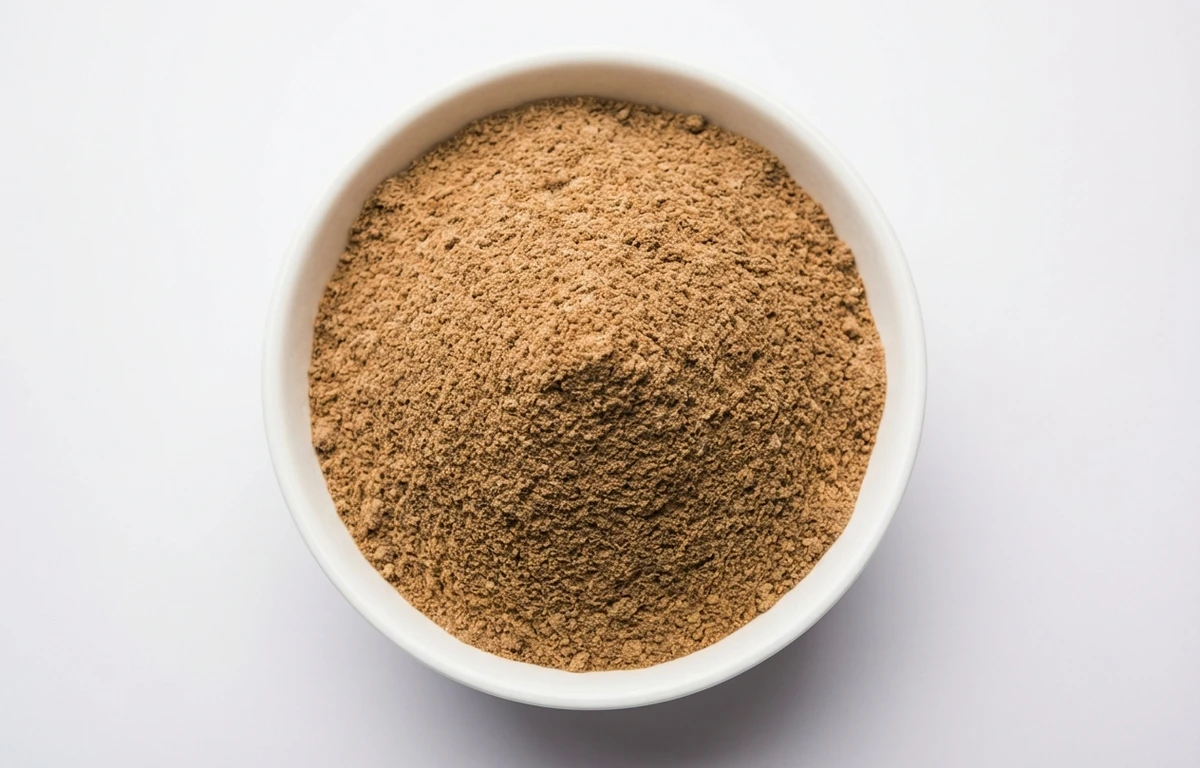
horse gram flour.
VegetarianVeganGluten-freeDairy-freeNut-freePeanut-freeSoy-freeEgg-freeShellfish-freeHoney-freeAlcohol-free
ALSO KNOWN AS
kulith flourkulith attahorse gram mealkulthi attaHorse Gram Flourkulith peethGahat AttaHurali Hittukulith pith
SERVING
CALORIES
340
PROTEIN
23g
CARBS
58g
FAT
1.3g
FIBER
6.0g
NUTRITION PROFILE · per 100 g
Everything in this ingredient.
MACRONUTRIENTS
Calories340kcal—
Protein23g46%
Carbohydrates58g21%
Fiber6.0g21%
Sugar1.5g3%
Total fat1.3g2%
Saturated fat0.20g1%
Cholesterol0mg0%
Water10g—
MINERALS
Sodium12mg1%
Potassium1260mg27%
Calcium285mg22%
Iron6.5mg36%
Magnesium287mg68%
Phosphorus311mg25%
Zinc2.5mg23%
Copper0.50mg56%
Manganese1.5mg65%
VITAMINS
Vitamin A0µg0%
Vitamin C0mg0%
Vitamin D0µg0%
Vitamin E0mg0%
Vitamin K0µg0%
Thiamin (B1)0.40mg33%
Riboflavin (B2)0.20mg15%
Niacin (B3)1.5mg9%
Pantothenic acid (B5)0.60mg12%
Vitamin B60.30mg18%
Folate (B9)280µg70%
Vitamin B120µg0%
%DV based on a 2,000 cal diet. Source: USDA FoodData Central. A dash in the %DV column means there’s no established Daily Value for that nutrient.
MEASUREMENT CONVERSIONS
How much is what.
1 cup125g
1 tablespoon7.8g
1 teaspoon2.6g
1 ml0.5g
1 liter520g
HEALTH BENEFITS
Why eat it.
- ✓High in protein and dietary fiber, which aids in weight management and promotes satiety.
- ✓Rich source of iron, calcium, and phosphorus, supporting bone health and helping to prevent anemia.
- ✓Possesses a low glycemic index, making it beneficial for managing blood sugar levels.
- ✓Contains antioxidants and phenolic compounds that may help reduce inflammation and protect against oxidative stress.
COOKING TIPS
In the kitchen.
- 1Lightly roast the flour in a dry pan before use to enhance its nutty flavor and reduce its raw, earthy taste.
- 2Combine with other flours like rice flour or chickpea flour when making flatbreads or pancakes to improve texture and balance the flavor.
- 3Use as a natural thickener for traditional South Indian soups (rasam), stews, and gravies, adding both nutrients and body.
- 4Can be used to make a nutritious porridge or as a key ingredient in savory snacks and batters.
STORAGE
Keep it fresh.
- Store in a cool, dark, and dry place, such as a pantry, away from direct sunlight and heat.
- Keep in an airtight container to protect it from moisture, pests, and absorbing other odors. For long-term storage (over 6 months), consider refrigeration.
FAQ
Frequently asked questions.
Is horse gram flour healthy?
Yes, horse gram flour is highly nutritious. It's packed with protein, dietary fiber, and essential minerals like iron, calcium, and phosphorus. Its low glycemic index and antioxidant content contribute to overall well-being, supporting everything from bone health to blood sugar management.
What are the nutritional benefits of horse gram flour?
Per 100g, horse gram flour provides approximately 340 calories, 23g protein, 58g carbohydrates, and 1.3g fat. It's an excellent source of plant-based protein and fiber, which aids digestion and promotes satiety. It also offers significant amounts of iron, calcium, and phosphorus.
Is horse gram flour good for weight loss?
Yes, horse gram flour can be beneficial for weight management. Its high protein and dietary fiber content helps you feel full longer, reducing overall calorie intake. This can aid in controlling appetite and supporting weight loss efforts when incorporated into a balanced diet.
Is horse gram flour gluten-free?
Yes, horse gram flour is naturally gluten-free. It is derived from the horse gram legume (Macrotyloma uniflorum), making it a suitable alternative for individuals with celiac disease or gluten sensitivity.
Can diabetics eat horse gram flour?
Yes, horse gram flour is generally considered beneficial for diabetics. It has a low glycemic index, meaning it causes a slower and more gradual rise in blood sugar levels compared to high-GI flours. Its fiber content also helps in managing blood glucose.
Is horse gram flour keto-friendly or low-carb?
No, horse gram flour is not considered keto-friendly or low-carb. With approximately 58g of carbohydrates per 100g, it contains a significant amount of carbs, which would exceed the typical daily limits for a ketogenic diet.
How can I use horse gram flour in cooking?
Horse gram flour is versatile and can be used in various dishes. It's commonly used to make traditional Indian flatbreads like rotis or dosas, savory pancakes, and porridges. It can also be blended with other flours for baking or used as a thickening agent in soups and stews.
What does horse gram flour taste like?
Horse gram flour has a distinct earthy, slightly nutty, and robust flavor. It's more pronounced than many common flours, which makes it a unique addition to dishes, often complementing savory preparations well.
How should I store horse gram flour?
To maintain its freshness and prevent spoilage, store horse gram flour in an airtight container in a cool, dry, and dark place. Proper storage helps protect it from moisture, pests, and oxidation, extending its shelf life.
Does horse gram flour need to be cooked before consumption?
Yes, like most flours derived from legumes or grains, horse gram flour should be cooked before consumption. Cooking helps improve digestibility, enhances nutrient absorption, and eliminates any potential raw flavors or anti-nutritional factors.
RECIPES
Cook with horse gram flour.
2 recipes · sorted by what’s quick