
Other10 recipes
ice water.
VegetarianVeganGluten-freeDairy-freeNut-freePeanut-freeSoy-freeEgg-freeShellfish-freeHoney-freeAlcohol-free
ALSO KNOWN AS
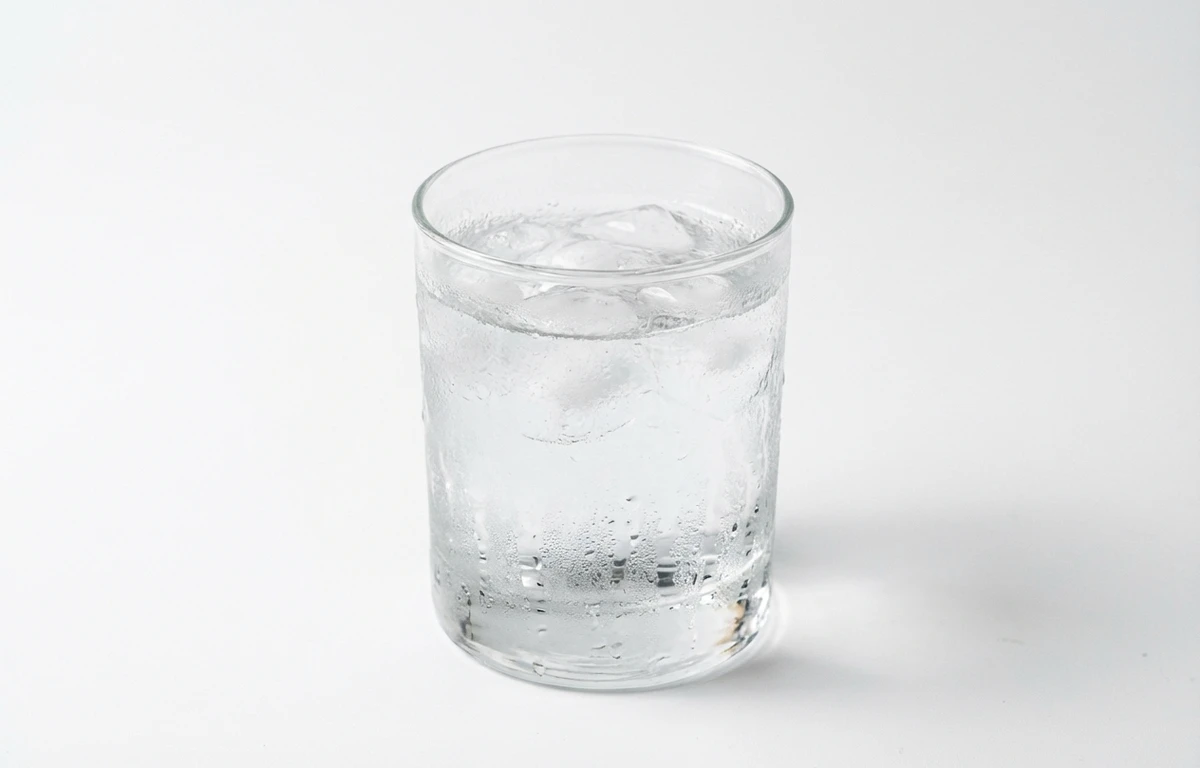
ice cold waterchilled waterice waterdrinking waterपानीcold water
SERVING
CALORIES
0
PROTEIN
0g
CARBS
0g
FAT
0g
FIBER
0g
NUTRITION PROFILE · per 100 g
Everything in this ingredient.
MACRONUTRIENTS
Calories0kcal—
Protein0g0%
Carbohydrates0g0%
Fiber0g0%
Sugar0g0%
Total fat0g0%
Saturated fat0g0%
Cholesterol0mg0%
Water100g—
MINERALS
Sodium0mg0%
Potassium0mg0%
Calcium0mg0%
Iron0mg0%
VITAMINS
Vitamin A0µg0%
Vitamin C0mg0%
Vitamin D0µg0%
%DV based on a 2,000 cal diet. Source: USDA FoodData Central. A dash in the %DV column means there’s no established Daily Value for that nutrient.
MEASUREMENT CONVERSIONS
How much is what.
1 cup240g
1 tablespoon15g
1 teaspoon5g
1 ml1g
1 liter1000g
HEALTH BENEFITS
Why eat it.
- ✓Essential for hydration, which supports all bodily functions.
- ✓Helps regulate body temperature, especially during exercise or in hot weather.
- ✓Can temporarily boost metabolism as the body expends energy to warm the cold water.
- ✓Aids in digestion and helps prevent constipation by keeping things moving in the digestive tract.
COOKING TIPS
In the kitchen.
- 1Use in pastry and pie crust recipes to keep the fat (butter, lard) cold and solid, which creates a flaky texture upon baking.
- 2Create an 'ice bath' to shock blanched vegetables. This immediately stops the cooking process, preserving their vibrant color, crisp texture, and nutrients.
- 3Add to brines for poultry or pork to ensure the meat stays at a safe, cold temperature while it absorbs flavor and moisture.
- 4When making tempura or other light batters, using ice water helps inhibit gluten development, resulting in a crispier, lighter crust when fried.
STORAGE
Keep it fresh.
- For ice, store in clean, covered ice trays or bags in a freezer at 0°F (-18°C) or below to prevent absorption of off-flavors.
- Ice water is best made fresh; if prepared in advance, keep it in a covered pitcher in the refrigerator for no more than 24 hours.
FAQ
Frequently asked questions.
Is ice water healthy?
Yes, ice water is very healthy as it provides essential hydration, which is crucial for all bodily functions. It helps regulate body temperature, supports digestion, and can even offer a temporary metabolism boost as your body works to warm it.
Does ice water contain any calories, protein, or carbs?
No, ice water is completely free of calories, protein, carbohydrates, and fat. It is pure water, making it an excellent choice for hydration without adding any macronutrients to your diet.
Can drinking ice water aid in weight loss?
While not a magic solution, ice water can support weight loss efforts. Staying hydrated helps you feel full, potentially reducing overall calorie intake. Additionally, your body expends a small amount of energy to warm the cold water to body temperature, offering a minor metabolic boost.
Is ice water suitable for people with diabetes?
Absolutely. Ice water contains no sugar, carbohydrates, or calories, making it an ideal beverage for individuals with diabetes. It helps maintain hydration without impacting blood sugar levels.
Is ice water vegan, gluten-free, or keto-friendly?
Yes, ice water is naturally vegan, gluten-free, and keto-friendly. It consists solely of water, making it compatible with virtually all dietary restrictions and preferences.
How is ice water commonly used in cooking?
Ice water is a versatile kitchen tool. It's often used to shock blanched vegetables to stop cooking and preserve their vibrant color, to make pie crusts and pastries flaky, or to create an ice bath for rapidly chilling ingredients like eggs or sauces.
What does ice water taste like compared to room temperature water?
Ice water generally tastes cleaner, crisper, and more refreshing than room temperature water. The cold temperature can enhance the perception of purity and make it more palatable for some, especially when thirsty or in warm environments.
How should ice water be stored?
To keep water icy, store it in an insulated bottle or pitcher with ice cubes. For just cold water, a sealed container in the refrigerator is sufficient. Ice cubes themselves should be stored in a freezer-safe bag or container to prevent freezer burn and absorption of odors.
How long does ice water last?
The water itself is stable indefinitely. However, the 'ice' component will melt over time, depending on the ambient temperature and insulation. Once the ice melts, you simply have cold water, which remains safe to drink.
Does drinking ice water negatively affect digestion?
For most healthy individuals, drinking ice water does not negatively affect digestion. While some traditional beliefs suggest it can slow digestion, scientific evidence generally doesn't support this. Your body quickly adjusts the water's temperature to match internal conditions.
RECIPES
Cook with ice water.
10 recipes · sorted by what’s quick



















