Other
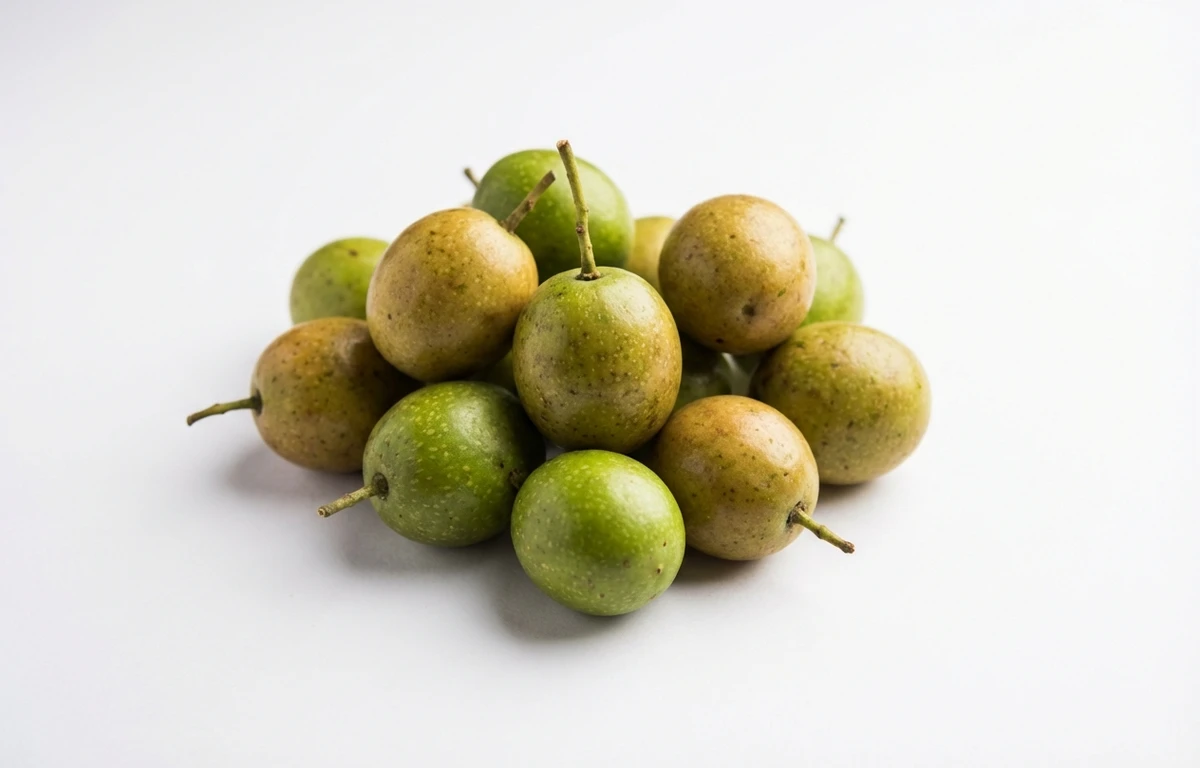
indian olive.
VegetarianVeganGluten-freeDairy-freeNut-freePeanut-freeSoy-freeEgg-freeShellfish-freeHoney-freeAlcohol-freeHalalKosher
ALSO KNOWN AS
jalpaiveraluchorphonceylon olivewild oliveelaeocarpus serratus
SERVING
CALORIES
72
PROTEIN
0.70g
CARBS
16.5g
FAT
0.40g
FIBER
2.1g
This ingredient is flagged as naturally gluten-free. Per 100 g, it provides 2.0 µg of vitamin K.
NUTRITION PROFILE · per 100 g
Everything in this ingredient.
MACRONUTRIENTS
Calories72kcal—
Protein0.70g1%
Carbohydrates16.5g6%
Fiber2.1g8%
Sugar12g24%
Total fat0.40g1%
Saturated fat0.08g0%
Trans fat0g—
Cholesterol0mg0%
Water79.5g—
MINERALS
Sodium5.0mg0%
Potassium180mg4%
Calcium15mg1%
Iron0.60mg3%
Magnesium12mg3%
Phosphorus18mg1%
Zinc0.10mg1%
Copper0.05mg6%
Manganese0.10mg4%
Selenium0.20µg0%
VITAMINS
Vitamin A5.0µg1%
Vitamin C35mg39%
Vitamin D0µg0%
Vitamin E0.50mg3%
Vitamin K2.0µg2%
Thiamin (B1)0.02mg2%
Riboflavin (B2)0.03mg2%
Niacin (B3)0.40mg3%
Pantothenic acid (B5)0.15mg3%
Vitamin B60.05mg3%
Folate (B9)8.0µg2%
Vitamin B120µg0%
%DV based on a 2,000 cal diet. Source: USDA FoodData Central. A dash in the %DV column means there’s no established Daily Value for that nutrient.
MEASUREMENT CONVERSIONS
How much is what.
1 cup145g
1 oz28.4g
1 lb453.6g
1 piece20g
HEALTH BENEFITS
Why eat it.
- ✓High Vitamin C content boosts immunity
- ✓Good source of dietary fiber for digestive health
COOKING TIPS
In the kitchen.
- 1Boil with a pinch of salt and turmeric to soften before making chutneys
- 2Use in sour fish curries (tenga) for a distinct tangy flavor
- 3Mash with green chilies and mustard oil for a traditional raw relish
STORAGE
Keep it fresh.
- Store fresh olives in a paper bag in the refrigerator for up to 7 days
- Keep them dry to prevent mold growth
- Can be preserved for months by pickling in oil or brine
FAQ
Frequently asked questions.
How do I pick the best Indian olives?
Look for firm, smooth, bright green skin without any dark bruises or soft spots.
Can I eat the pit of an Indian olive?
No, the central stone is hard and inedible; it should be discarded.
What is a good substitute for Indian olive?
Raw mango or Indian gooseberry (amla) are the best substitutes due to their similar sour profile.
How long do they last at room temperature?
Fresh Indian olives will stay good for 2-3 days at room temperature before they start to shrivel.
Are Indian olives the same as Mediterranean olives?
No, they are a different species (Elaeocarpus serratus) and are primarily used for their sourness in South Asian cuisine.
Can Indian olives be frozen?
Yes, you can blanch them, remove the pits, and freeze the pulp for up to 6 months.
When is the peak season for Indian olives?
They are typically available during the winter months, from November to January.
How are they most commonly used in India?
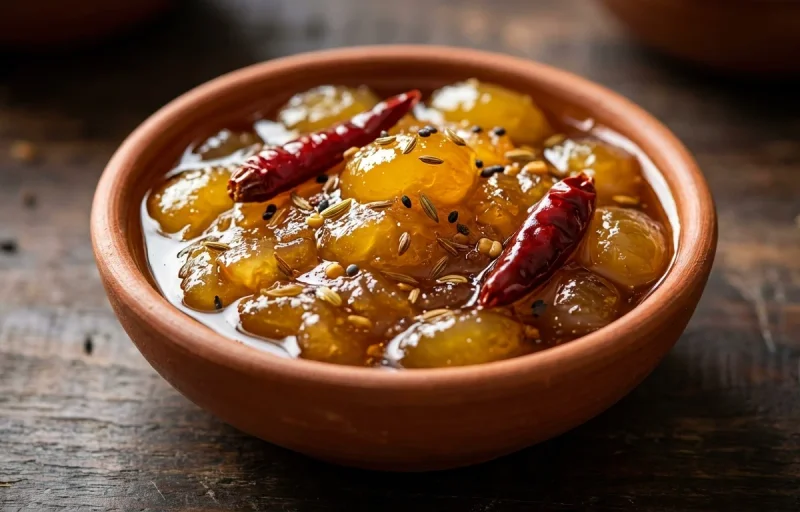
They are most famous for making 'Jalpai Achar' (sweet and spicy pickle) and sour chutneys.
RECIPES
Cook with indian olive.
0 recipes · sorted by what’s quick