
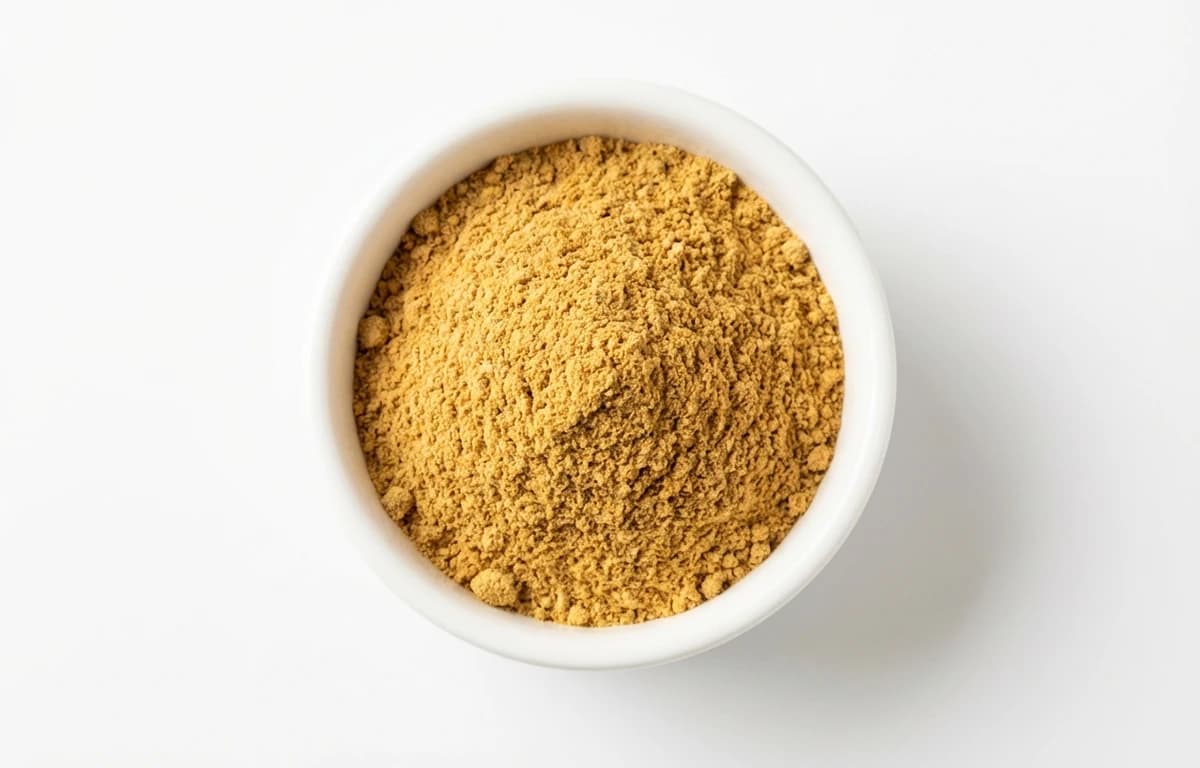
inji
Also known as:
Loading...
Also known as:
Per 100g
Nutrition data source: USDA FoodData Central
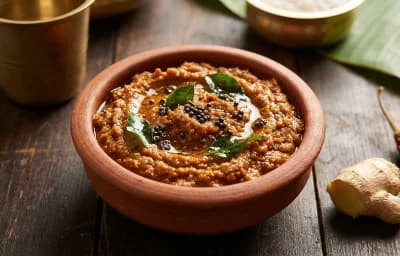
A fiery and tangy South Indian ginger chutney that's a perfect digestive aid. Made by roasting ginger, lentils, and spices, this thogayal has a thick, coarse texture and pairs wonderfully with yogurt rice, idli, and dosa.

A classic Kerala sadya dish, this sweet, sour, and spicy ginger pickle is a flavor explosion. Made with tamarind, ginger, and jaggery, it's the perfect condiment to balance a rich meal.
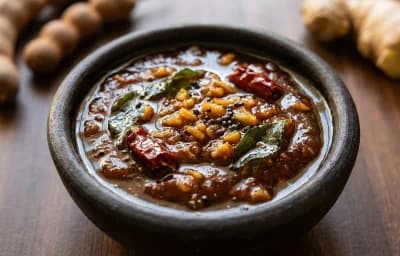
A classic Kerala condiment that hits every flavor note: sweet, sour, spicy, and tangy. Made with ginger, tamarind, and jaggery, this thick, jam-like pickle is an essential part of a traditional Sadya feast and pairs wonderfully with rice.
Yes, inji (ginger) is very healthy and has been used for its medicinal properties for centuries. It's rich in gingerol, a compound with powerful anti-inflammatory and antioxidant effects. It's particularly known for aiding digestion and alleviating nausea.
Inji (ginger) is low in calories, with 100g containing approximately 80 calories, 1.82g protein, 17.77g carbs, and 0.75g fat. Beyond its macronutrients, it's packed with beneficial compounds like gingerol, which contribute to its anti-inflammatory and antioxidant properties.
While not a magic bullet, inji (ginger) may support weight loss efforts by boosting metabolism and promoting feelings of fullness. Its anti-inflammatory properties can also help reduce inflammation, which is sometimes linked to weight gain. However, it should be part of a balanced diet and exercise routine.
Yes, inji (ginger) is naturally vegan and gluten-free. It is a plant-based root spice, making it suitable for a wide range of dietary preferences and restrictions.
Studies suggest that inji (ginger) may help lower blood sugar levels and improve various heart disease risk factors in people with type 2 diabetes. However, individuals with diabetes should consult their doctor before using ginger as a supplement, especially if they are on medication that affects blood sugar.
Inji (ginger) can be used fresh, dried, powdered, or as an oil or juice. Fresh ginger is often grated, minced, or sliced into dishes like stir-fries, curries, soups, and marinades. It's also popular in beverages like ginger tea and smoothies, and in baked goods.
inji is a versatile ingredient found in cuisines around the world. With 80 calories per 100g and 1.82 grams of protein, it's a nutritious addition to many dishes.
Explore more ingredients in the spice category with complete nutrition information.
View all spice →Inji (ginger) has a pungent, spicy, and slightly sweet flavor with a warm, aromatic aroma. Its taste can vary in intensity depending on whether it's fresh, dried, or cooked, becoming milder and sweeter when cooked for longer periods.
To store fresh inji (ginger), keep it unpeeled in a paper bag or wrapped in a paper towel in the crisper drawer of your refrigerator. It can last for several weeks this way. For longer storage, you can peel and freeze it whole or grated.
Fresh inji (ginger) should be firm, smooth, and heavy for its size, with a spicy aroma. Avoid ginger that is soft, shriveled, moldy, or has a sour smell, as these are signs of spoilage. The skin should be thin and easy to peel or scrape.
Yes, inji (ginger) is highly effective against various forms of nausea, including morning sickness, motion sickness, and chemotherapy-induced nausea. It's believed to work by affecting the digestive system and brain receptors involved in nausea.