
Loading...
Also known as:
Per 100g
Nutrition data source: USDA FoodData Central
Common measurement equivalents in grams

A simple and delicious Odia stir-fry made with tender ridge gourd and a fragrant blend of panch phoron spices. This quick side dish comes together in minutes and pairs perfectly with rice and dal for a comforting meal.
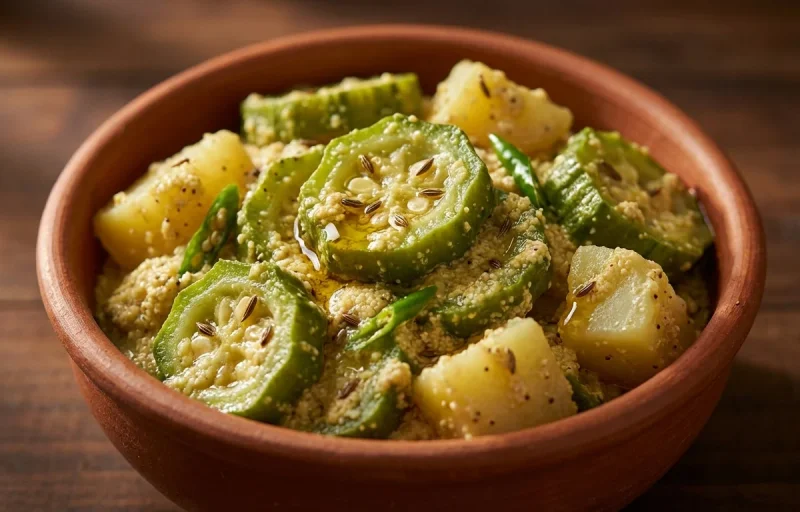
A classic Odia comfort food featuring tender ridge gourd and potatoes in a nutty, creamy poppy seed paste. This simple, mildly spiced curry pairs perfectly with hot steamed rice and dal.
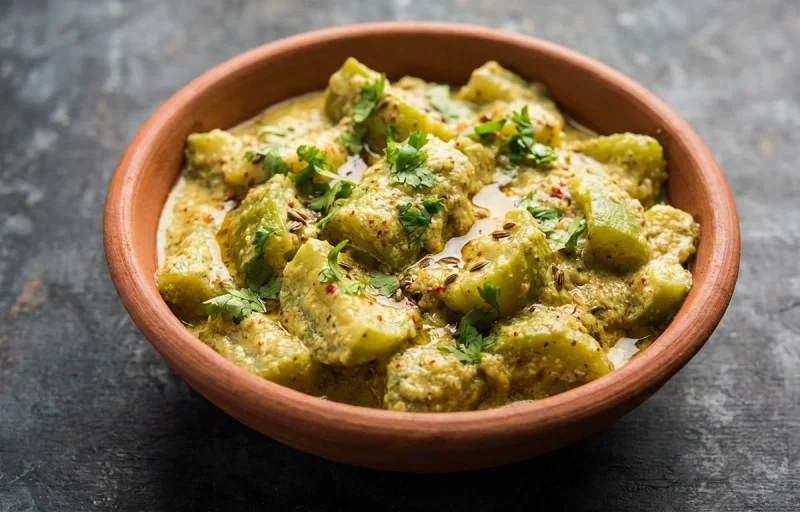
A classic Odia delicacy where tender ridge gourd is cooked in a rich, nutty poppy seed paste. This simple yet flavorful dish is a staple in Odia households and pairs perfectly with steamed rice and dal.
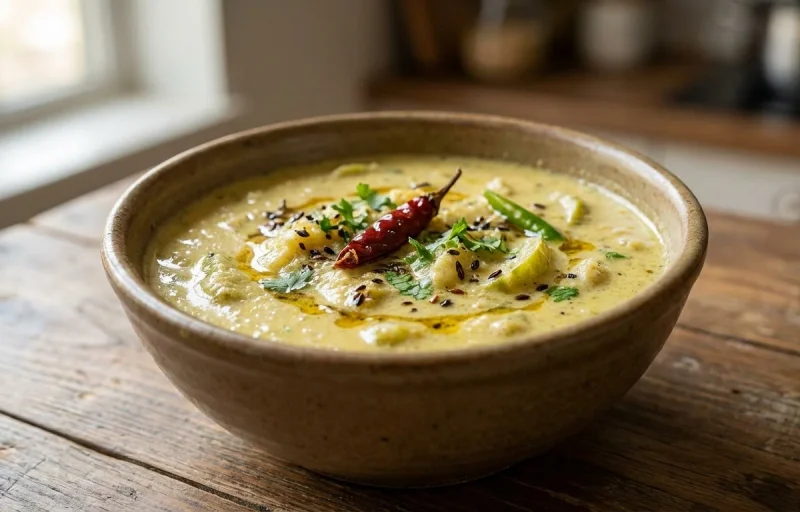
A classic Odia comfort food featuring tender ridge gourd cooked in a creamy, nutty poppy seed paste. This simple yet flavorful curry is a staple in Odia households and pairs perfectly with hot rice.
Yes, janhi is very healthy. It's extremely low in calories, fat, and cholesterol, while being rich in water and dietary fiber. It also provides essential nutrients like Vitamin C, iron, and magnesium, supporting hydration, digestion, and overall well-being.
Janhi is highly nutritious, offering over 90% water content for hydration and significant dietary fiber for digestive health. Per 100g, it contains only 18 calories, 0.5g protein, 3.4g carbs, and 0.1g fat. It also provides vitamins like C and minerals such as iron and magnesium.
Absolutely. Janhi is an excellent food for weight loss due to its very low-calorie count (18 calories per 100g) and high water and fiber content. It helps you feel full without consuming many calories, aiding in calorie deficit and promoting healthy digestion.
Yes, janhi is naturally both vegan and gluten-free. As a vegetable, it contains no animal products or gluten-containing grains, making it suitable for a wide range of dietary preferences and restrictions.
Yes, janhi is considered low-carb and can be included in a keto diet in moderation. With only 3.4g of carbohydrates per 100g, it's a good option for adding volume and nutrients without significantly impacting your daily carb intake.
Janhi is versatile and can be cooked in various ways. It's often peeled, chopped, and then stir-fried, curried, or added to stews and soups. It cooks relatively quickly and absorbs flavors well, making it a popular ingredient in many Asian cuisines.
Janhi has a mild, slightly sweet, and subtly earthy flavor. Its texture is tender and somewhat spongy when cooked, similar to zucchini or bottle gourd, making it a good base for absorbing spices and other ingredients.
janhi is a versatile ingredient found in cuisines around the world. With 18 calories per 100g and 0.5 grams of protein, it's a nutritious addition to many dishes.
Explore more ingredients in the vegetable category with complete nutrition information.
View all vegetable →Explore more ingredients similar to janhi.
The most-searched ingredients on CraftMyMeals.
Store fresh janhi in a cool, dry place, preferably in the refrigerator's crisper drawer. Keep it unwashed until ready to use to prevent spoilage. Properly stored, it can last for about 5-7 days.
Look for janhi that is firm to the touch, free from soft spots, blemishes, or cuts. The skin should be smooth and vibrant green. Avoid any that appear shriveled or discolored, as these indicate it's past its prime.
Yes, janhi is a suitable vegetable for diabetics. Its low glycemic index, high fiber content, and minimal carbohydrates help manage blood sugar levels. It's a healthy, hydrating, and nutrient-rich addition to a diabetic-friendly diet.