Grain10 recipes
jasmine rice.
VegetarianVeganGluten-freeDairy-freeNut-freePeanut-freeSoy-freeEgg-freeShellfish-freeHoney-freeAlcohol-free
ALSO KNOWN AS
fragrant ricehom mali ricethai fragrant rice
SERVING
CALORIES
356
PROTEIN
7.1g
CARBS
79.2g
FAT
0.70g
FIBER
1.3g
NUTRITION PROFILE · per 100 g
Everything in this ingredient.
MACRONUTRIENTS
Calories356kcal—
Protein7.1g14%
Carbohydrates79.2g29%
Fiber1.3g5%
Sugar0.10g0%
Total fat0.70g1%
Saturated fat0.18g1%
Trans fat0g—
Cholesterol0mg0%
Water11.6g—
MINERALS
Sodium1.0mg0%
Potassium115mg2%
Calcium10mg1%
Iron0.80mg4%
Magnesium25mg6%
Phosphorus115mg9%
Zinc1.1mg10%
Copper0.15mg17%
Manganese1.1mg48%
Selenium15.1µg27%
VITAMINS
Vitamin A0µg0%
Vitamin C0mg0%
Vitamin D0µg0%
Vitamin E0.11mg1%
Vitamin K0µg0%
Thiamin (B1)0.07mg6%
Riboflavin (B2)0.01mg1%
Niacin (B3)1.6mg10%
Pantothenic acid (B5)1.0mg20%
Vitamin B60.16mg9%
Folate (B9)8.0µg2%
Vitamin B120µg0%
%DV based on a 2,000 cal diet. Source: USDA FoodData Central. A dash in the %DV column means there’s no established Daily Value for that nutrient.
MEASUREMENT CONVERSIONS
How much is what.
1 cup185g
1 tablespoon12.5g
1 teaspoon4.2g
1 oz28.4g
1 lb453.6g
1 ml1.2g
1 liter850g
HEALTH BENEFITS
Why eat it.
- ✓Excellent source of quick energy from complex carbohydrates
- ✓Naturally gluten-free and safe for celiac diets
- ✓Very low in fat and cholesterol-free
- ✓Easily digestible, making it gentle on the stomach
- ✓Naturally low in sodium, supporting heart health
COOKING TIPS
In the kitchen.
- 1Rinse the rice 2-3 times before cooking to remove excess surface starch for fluffier results
- 2Use a water-to-rice ratio of 1.5:1 for stovetop cooking to maintain the characteristic soft texture
- 3Let the rice rest, covered, for 10 minutes after cooking to allow moisture to redistribute
STORAGE
Keep it fresh.
- Store in a cool, dry place in an airtight container to prevent moisture absorption
- Keep away from strong-smelling foods as rice can absorb surrounding odors
- Uncooked white jasmine rice has an almost indefinite shelf life if kept dry
FAQ
Frequently asked questions.
How long does uncooked jasmine rice last?
If stored in a cool, dry area in an airtight container, uncooked white jasmine rice can last indefinitely. For best quality, use within 2 years.
Is jasmine rice gluten-free?
Yes, jasmine rice is naturally gluten-free, making it a safe grain for individuals with celiac disease or gluten sensitivity.
What is the best substitute for jasmine rice?
Basmati rice is the best substitute due to its aromatic qualities, though it is less sticky. Standard long-grain white rice also works well.
Why is my jasmine rice mushy?
Mushy rice is usually caused by using too much water or not rinsing the rice to remove excess starch before cooking.
Does jasmine rice need to be soaked?
Unlike Basmati, jasmine rice does not require soaking. Rinsing is sufficient to achieve the desired texture.
How do I identify high-quality jasmine rice?
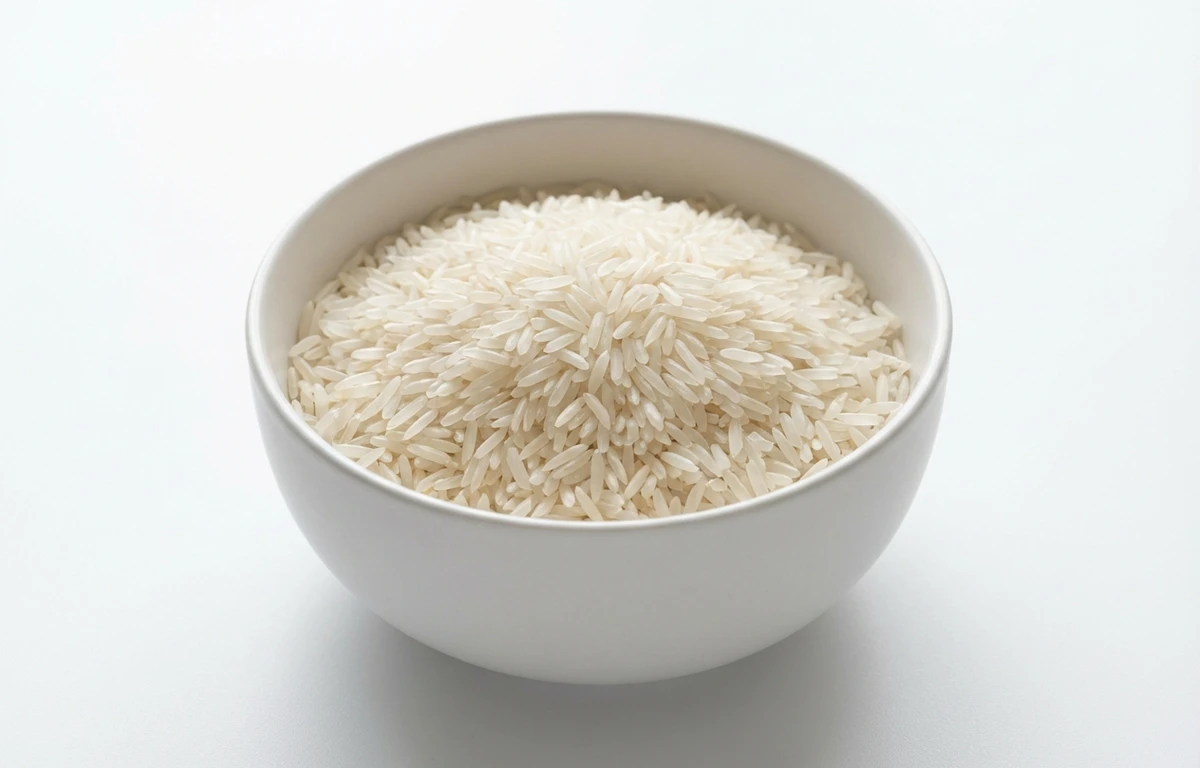
Look for 'Thai Hom Mali' certification on the package. The grains should be long, translucent, and have a distinct floral aroma even when raw.
Can I freeze cooked jasmine rice?
Yes, cooked jasmine rice freezes very well. Cool it quickly, seal in airtight bags, and freeze for up to 3 months.
Is jasmine rice a whole grain?
Standard white jasmine rice is refined. However, 'Brown Jasmine Rice' is available and is considered a whole grain.
RECIPES
Cook with jasmine rice.
10 recipes · sorted by what’s quick