Spice9 recipes
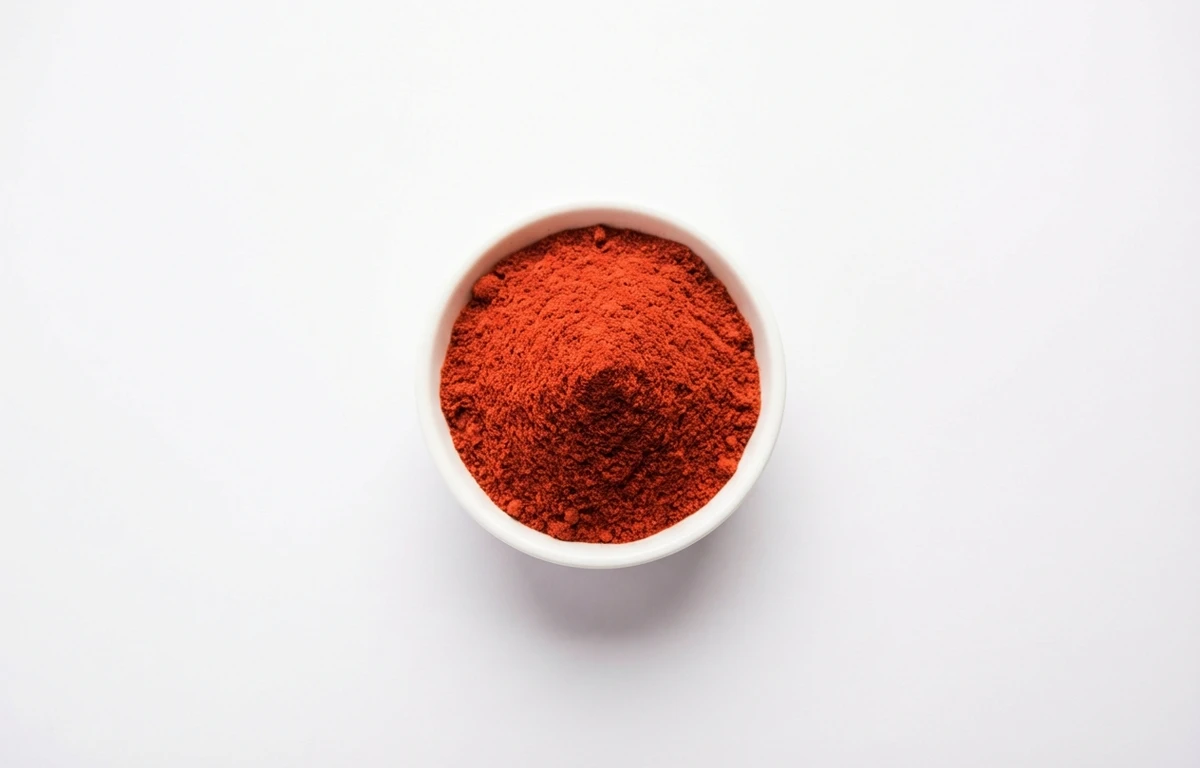
kashmiri red chili.
VegetarianVeganGluten-freeDairy-freeNut-freePeanut-freeSoy-freeEgg-freeShellfish-freeHoney-freeAlcohol-free
ALSO KNOWN AS
Kashmiri Red Chillikashmiri mirchkashmiri lal mirch
SERVING
CALORIES
324
PROTEIN
10.6g
CARBS
56.6g
FAT
13g
FIBER
24.9g
NUTRITION PROFILE · per 100 g
Everything in this ingredient.
MACRONUTRIENTS
Calories324kcal—
Protein10.6g21%
Carbohydrates56.6g21%
Fiber24.9g89%
Sugar10.3g21%
Total fat13g17%
Saturated fat2.4g12%
Trans fat0g—
Cholesterol0mg0%
Water10.8g—
MINERALS
Sodium30mg1%
Potassium1870mg40%
Calcium330mg25%
Iron17.3mg96%
Magnesium149mg35%
Phosphorus300mg24%
Zinc4.3mg39%
Copper0.90mg100%
Manganese1.9mg83%
Selenium6.3µg11%
VITAMINS
Vitamin A1480µg164%
Vitamin C76.4mg85%
Vitamin D0µg0%
Vitamin E29.8mg199%
Vitamin K80.3µg67%
Thiamin (B1)0.30mg25%
Riboflavin (B2)0.90mg69%
Niacin (B3)8.7mg54%
Pantothenic acid (B5)2.5mg50%
Vitamin B62.1mg124%
Folate (B9)52µg13%
Vitamin B120µg0%
%DV based on a 2,000 cal diet. Source: USDA FoodData Central. A dash in the %DV column means there’s no established Daily Value for that nutrient.
MEASUREMENT CONVERSIONS
How much is what.
1 cup120g
1 tablespoon7.5g
1 teaspoon2.5g
1 oz28.4g
1 lb453.6g
1 piece1.5g
HEALTH BENEFITS
Why eat it.
- ✓Rich in Vitamin C which boosts immunity
- ✓High antioxidant content helps fight oxidative stress
- ✓Contains capsaicin which may aid metabolism
- ✓Good source of Vitamin A for eye health
- ✓Provides essential minerals like iron and potassium
COOKING TIPS
In the kitchen.
- 1Soak whole dried chilies in warm water for 20 minutes to create a smooth, vibrant paste
- 2Deseed the chilies before use if you want the color without any residual heat
- 3Bloom the powder or whole chili in hot oil (tadka) to release its deep red pigment into the dish
STORAGE
Keep it fresh.
- Store in an airtight container in a cool, dark, and dry place
- Keep away from direct sunlight to prevent the vibrant red color from fading
- Can be stored in the refrigerator or freezer to extend shelf life and maintain potency
FAQ
Frequently asked questions.
How long does Kashmiri red chili last?
Whole dried chilies last up to 1 year in an airtight container. The powdered version starts losing its aroma and color after 6 months.
Is Kashmiri red chili very spicy?
No, it is known for being mild. It ranks low on the Scoville scale (approx 1,000-2,000 SHU), making it prized for color rather than heat.
What is the best substitute for Kashmiri red chili?
A mix of 3 parts sweet paprika and 1 part cayenne pepper is the best substitute for both color and mild heat.
How can I identify genuine Kashmiri chilies?
They are typically long, deep red, and have a very wrinkled skin compared to other varieties.
Can I freeze Kashmiri red chili powder?
Yes, freezing helps preserve the volatile oils and the intense red color for a longer period.
Why is my curry not turning red even after using this chili?
The color releases best when the chili is cooked in fat (oil or ghee). Try adding it to the oil at the start of cooking.
Do I need to wash dried Kashmiri chilies?
It is recommended to quickly rinse them or wipe with a damp cloth to remove any surface dust before soaking or grinding.
Is Kashmiri chili the same as Deggi Mirch?
They are similar, but Deggi Mirch is often a commercial blend of Kashmiri chilies and other red chilies to achieve a specific color and heat balance.
RECIPES
Cook with kashmiri red chili.
9 recipes · sorted by what’s quick