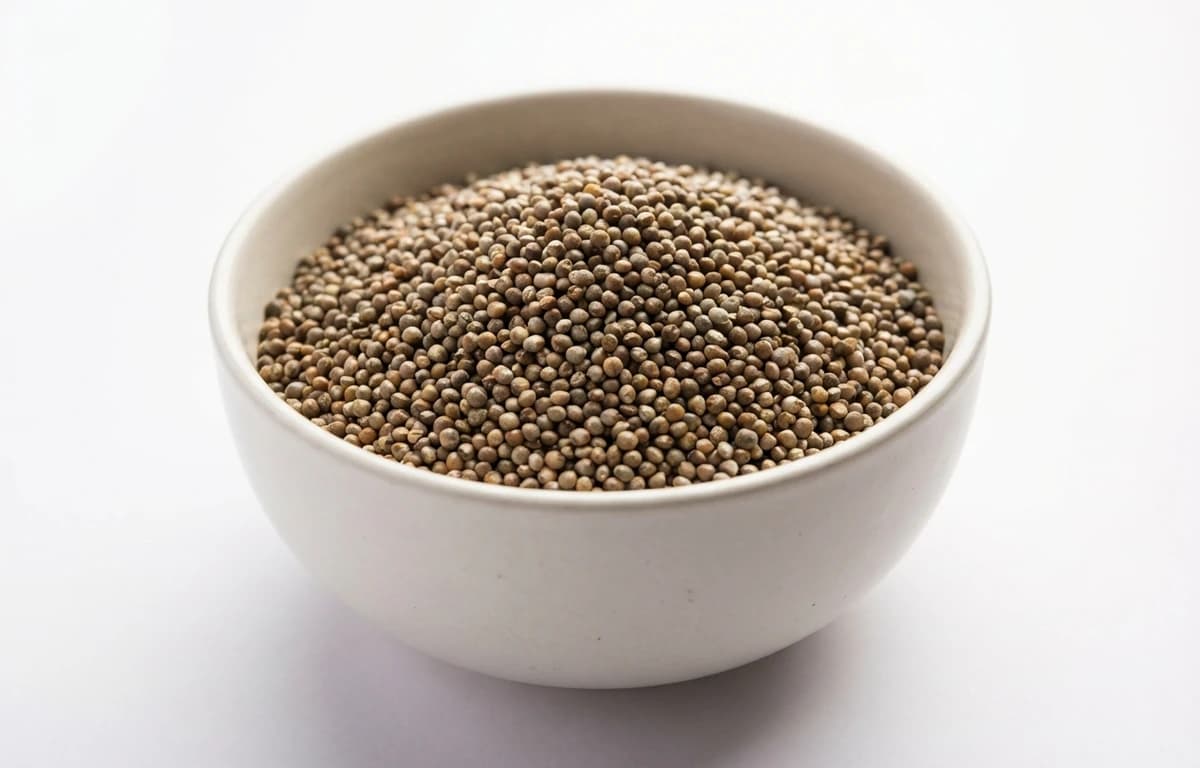
koni
Also known as: foxtail millet, kangni, Italian millet, German millet, Setaria italica
Loading...
Also known as: foxtail millet, kangni, Italian millet, German millet, Setaria italica
Per 100g
Nutrition data source: USDA FoodData Central
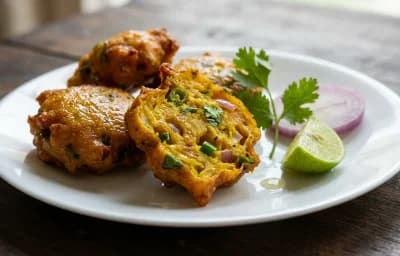
Crispy, savory fritters made from fresh fish roe, mixed with onions, spices, and chickpea flour. This authentic Bengali delicacy is a perfect appetizer or side dish, best enjoyed hot with a squeeze of lime and a side of kasundi.
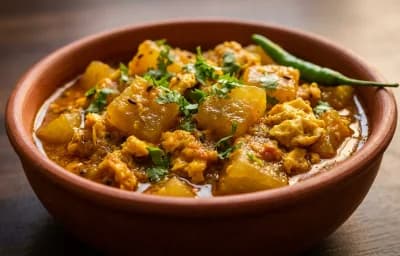
A comforting, rustic curry from the heart of Assam. Tender raw papaya and boiled eggs are simmered in a light, fragrant gravy, making it a perfect wholesome meal to enjoy with steamed rice.
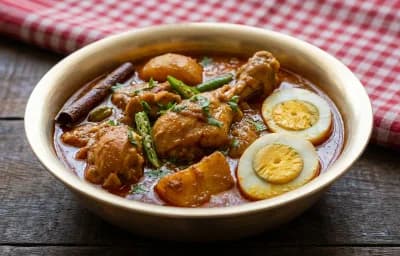
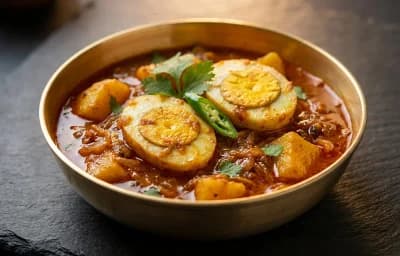
A classic Bengali comfort food, this hearty curry features tender chicken, potatoes, and hard-boiled eggs simmered in a fragrant, spiced gravy. It's the perfect Sunday lunch, best enjoyed with steamed rice.
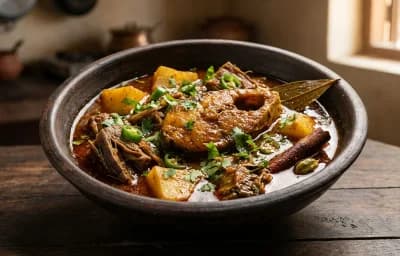
A delightful Bengali-style curry where tender shrimp and soft cauliflower florets are simmered in a fragrant, spiced tomato-onion gravy. This comforting dish, also known as Chingri Fulkopi, is perfect with steamed rice.
Yes, koni is very healthy. It's rich in dietary fiber, plant-based protein, B vitamins, and essential minerals like iron, magnesium, phosphorus, and zinc. These nutrients support digestion, energy metabolism, and overall well-being.
Koni is a powerhouse of nutrients. It's particularly beneficial for its high fiber content, which aids digestion and promotes satiety, and its plant-based protein, crucial for muscle health. It also provides B vitamins (niacin, thiamine, riboflavin) important for energy metabolism.
Per 100g, koni contains approximately 351 calories, 11.2g of protein, 63.2g of carbohydrates, and 4.3g of fat. This makes it a good source of sustained energy and plant-based protein.
Yes, koni is naturally gluten-free. This makes it an excellent grain option for individuals with celiac disease, gluten sensitivity, or those following a gluten-free diet.
Yes, koni can be a good choice for diabetics. It has a low glycemic index, which helps in managing blood sugar levels, and its high fiber content further contributes to stable glucose responses.
Koni is typically cooked like rice or other grains. A common method involves rinsing the grain, then simmering it in a 1:2 ratio of koni to water (or broth) for about 15-20 minutes until the liquid is absorbed and the grains are tender.
Koni has a mild, slightly nutty flavor and a pleasant, chewy texture. It's versatile and can be used as a side dish, in salads, soups, stews, or as a base for grain bowls, similar to quinoa or couscous.
koni is a versatile ingredient found in cuisines around the world. With 351 calories per 100g and 11.2 grams of protein, it's a nutritious addition to many dishes.
Explore more ingredients in the grain category with complete nutrition information.
View all grain →Uncooked koni should be stored in an airtight container in a cool, dry, dark place, away from direct sunlight and moisture. This helps to maintain its freshness and prevent spoilage for several months.
Koni can be beneficial for weight management. Its high fiber content promotes satiety, helping you feel full longer and potentially reducing overall calorie intake. Its low glycemic index also helps prevent blood sugar spikes that can lead to cravings.
Yes, koni is considered a whole grain. This means it contains all parts of the grain kernel – the bran, germ, and endosperm – retaining its full nutritional value, including fiber, vitamins, and minerals.