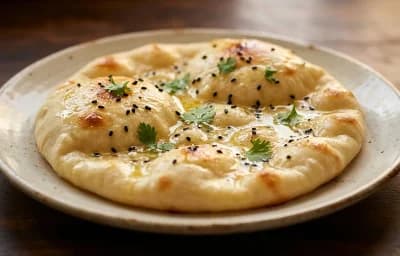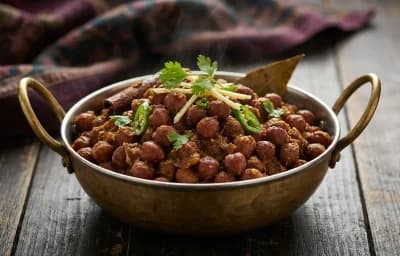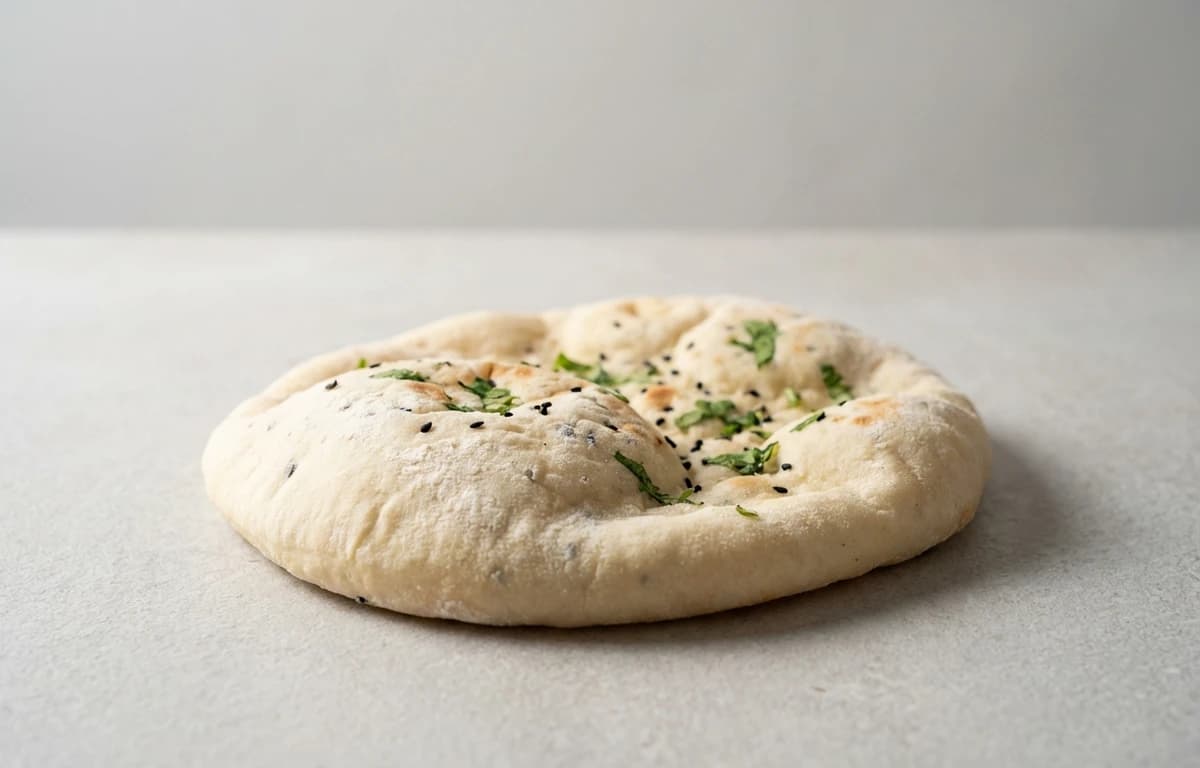
Kulcha
Also known as:
Loading...
Also known as:
Per 100g
Nutrition data source: USDA FoodData Central
Common measurement equivalents in grams
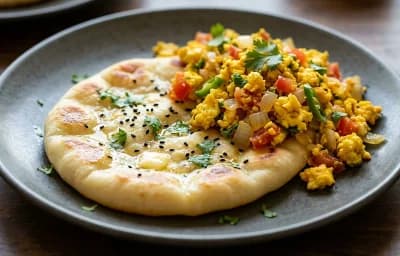
A quintessential North Indian street food delight! This recipe features spicy, fluffy scrambled eggs (bhurji) generously stuffed into soft, pillowy kulchas, then toasted with butter until golden and crisp. It's a hearty, flavorful, and satisfying meal perfect for any time of the day.
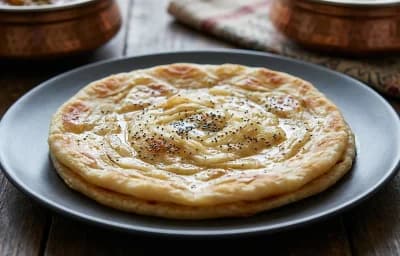
A traditional Kashmiri delight, this is a crispy, flaky, multi-layered bread. Baked to golden perfection and sprinkled with poppy seeds, it's the perfect companion to a warm cup of sheer chai.
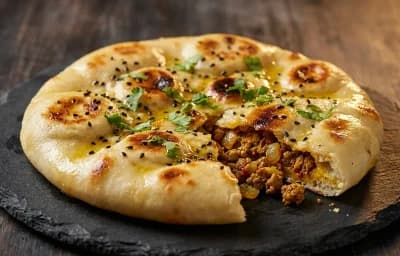
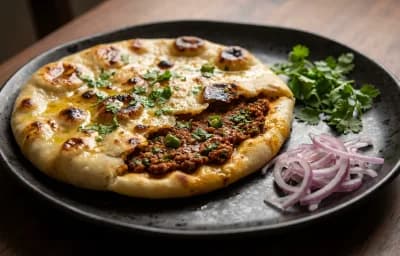
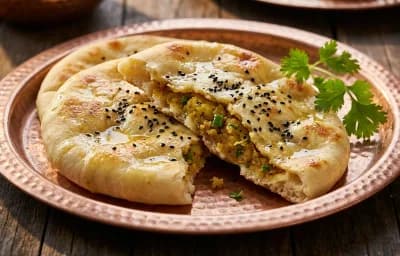
Soft, fluffy leavened bread stuffed with a savory, spiced minced meat filling. This North Indian classic is a hearty and delicious meal, perfect with a side of raita or chutney.
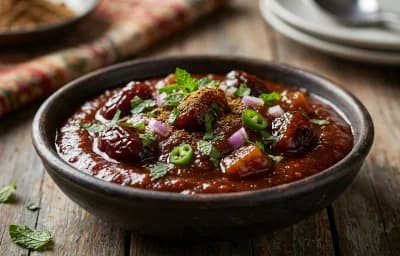
A delightful sweet, sour, and tangy chutney from the heart of Punjab. Made with dried plums, tamarind, and fresh mint, it's the perfect companion for Amritsari kulchas, parathas, or samosas. A burst of authentic Punjabi flavor in every spoonful!
Kulcha is a good source of energy due to its high carbohydrate content and provides some protein and B vitamins. However, because it is typically made with refined flour (maida) and often contains butter or ghee, it should be consumed in moderation as part of a balanced diet.
A 100g serving of kulcha contains approximately 280 calories and 52g of carbohydrates. It also provides about 9g of protein and 6g of fat, making it a calorie-dense bread option.
Kulcha is generally not considered a weight-loss food because it is high in refined carbohydrates and calories. If you are monitoring your weight, it is best to eat it in small portions or look for whole-wheat versions which offer more fiber.
Traditional kulcha is often not vegan because the dough frequently includes yogurt, milk, or butter to achieve its soft texture. To make it vegan, these dairy components must be replaced with plant-based alternatives like soy yogurt or oil.
No, kulcha is not gluten-free. It is primarily made from wheat flour (maida), which contains gluten, making it unsuitable for those with celiac disease or gluten sensitivity.
No, kulcha is not keto-friendly. With 52g of carbohydrates per 100g, it significantly exceeds the daily carb limit for a typical ketogenic diet, which usually restricts net carbs to under 50g per day.
While both are Indian flatbreads, naan is typically leavened with yeast and baked in a tandoor (clay oven), whereas kulcha is often leavened with baking powder or soda and can be cooked on a flat griddle (tawa). Kulcha is also more commonly stuffed with ingredients like potatoes or onions.
Kulcha is a versatile ingredient found in cuisines around the world. With 280 calories per 100g and 9 grams of protein, it's a nutritious addition to many dishes.
Explore more ingredients in the bread category with complete nutrition information.
View all bread →To keep kulcha soft, reheat it on a hot tawa (griddle) with a few drops of water or a light brush of butter. Alternatively, wrap it in a damp paper towel and microwave it for 15-20 seconds to prevent it from becoming tough or chewy.
Fresh kulcha should be stored in an airtight container or wrapped tightly in foil at room temperature for 1-2 days. For longer storage, you can freeze it for up to 3 months; ensure it is well-sealed to prevent freezer burn.
Yes, unlike many other leavened breads, kulcha is traditionally made using chemical leavening agents like baking powder and baking soda combined with yogurt. This creates a soft, fluffy texture without the long fermentation time required for yeast.