
Protein
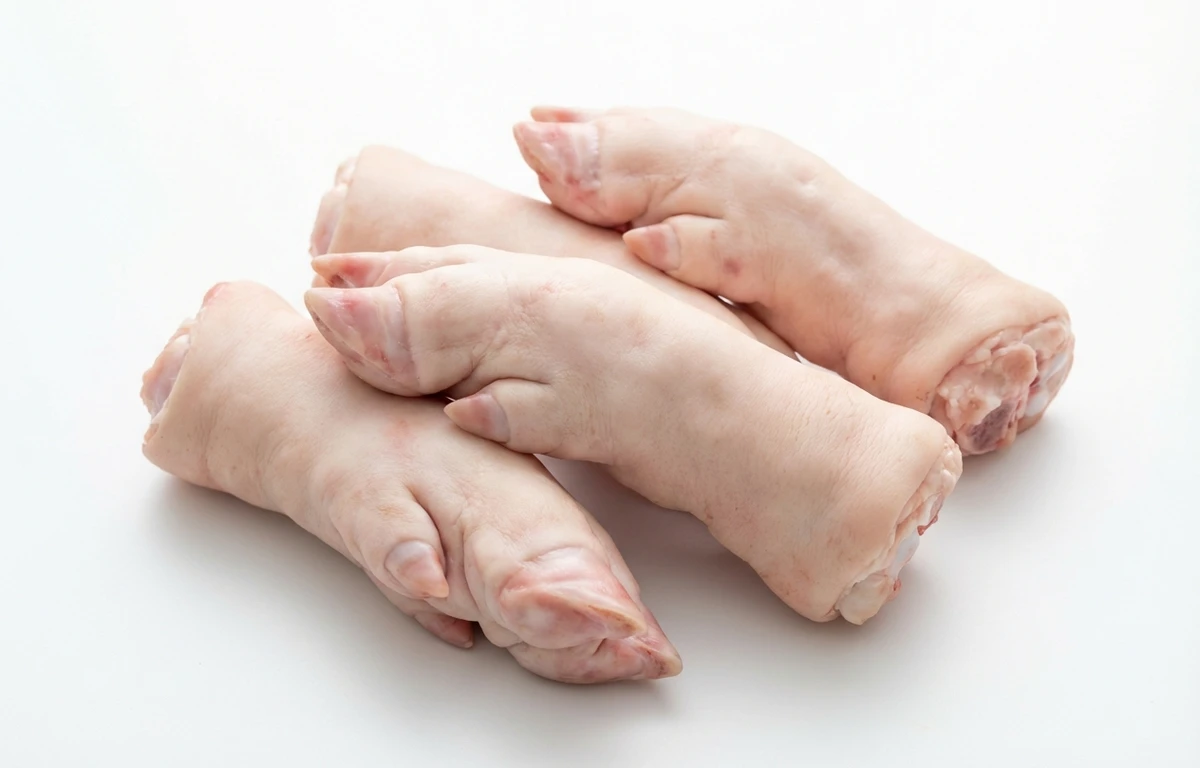
lamb trotters.
VegetarianVeganGluten-freeDairy-freeNut-freePeanut-freeSoy-freeEgg-freeShellfish-freeHoney-freeAlcohol-free
ALSO KNOWN AS
aattukallamb feet
SERVING
CALORIES
175
PROTEIN
21.9g
CARBS
0g
FAT
9.7g
FIBER
0g
NUTRITION PROFILE · per 100 g
Everything in this ingredient.
MACRONUTRIENTS
Calories175kcal—
Protein21.9g44%
Carbohydrates0g0%
Fiber0g0%
Sugar0g0%
Total fat9.7g12%
Saturated fat4.5g22%
Trans fat0.61g—
Cholesterol76mg25%
Water68.7g—
MINERALS
Sodium75mg3%
Potassium225mg5%
Calcium3.0mg0%
Iron2.1mg12%
Magnesium21mg5%
Phosphorus156mg12%
Zinc2.7mg25%
Copper0.12mg13%
Manganese0.01mg0%
Selenium6.9µg13%
VITAMINS
Vitamin A2.0µg0%
Vitamin C0mg0%
Vitamin D0µg0%
Vitamin E0.11mg1%
Thiamin (B1)0.13mg11%
Riboflavin (B2)0.37mg28%
Niacin (B3)6.3mg39%
Pantothenic acid (B5)0.70mg14%
Vitamin B60.43mg25%
Vitamin B121.6µg65%
%DV based on a 2,000 cal diet. Source: USDA FoodData Central. A dash in the %DV column means there’s no established Daily Value for that nutrient.
MEASUREMENT CONVERSIONS
How much is what.
1 piece175g
HEALTH BENEFITS
Why eat it.
- ✓Extremely rich in collagen and gelatin, which support joint health, skin elasticity, and gut integrity.
- ✓Good source of protein, essential for building and repairing tissues in the body.
- ✓Contains minerals like calcium and phosphorus, which are crucial for maintaining strong bones and teeth.
- ✓Provides glycine, an amino acid that may improve sleep quality and has anti-inflammatory properties.
COOKING TIPS
In the kitchen.
- 1Requires long, slow, moist-heat cooking methods like braising, stewing, or simmering for several hours to break down tough connective tissue and become tender.
- 2Thoroughly clean trotters before cooking by scrubbing, rinsing, and singeing off any remaining hair with a kitchen torch or over a gas flame.
- 3Blanching the trotters in boiling water for 5-10 minutes before the main cooking process can help remove impurities and create a cleaner final dish.
- 4Excellent for making rich, gelatinous broths and stocks, which form the base for many traditional soups and stews like Paya or Khash.
STORAGE
Keep it fresh.
- Store fresh, raw lamb trotters in the coldest part of the refrigerator (below 40°F / 4°C) and use within 1-2 days.
- For long-term storage, wrap tightly in plastic wrap and foil or use a vacuum-sealed bag and freeze for up to 6 months.
FAQ
Frequently asked questions.
Are lamb trotters healthy?
Yes, lamb trotters are highly nutritious, especially for their rich content of collagen and gelatin, which support joint health, skin elasticity, and gut integrity. They are also a good source of protein, essential for muscle repair, and provide important minerals like calcium and phosphorus for strong bones.
What are the main nutritional components of lamb trotters?
Per 100g, lamb trotters contain approximately 175 calories, 21.95g of protein, 9.73g of fat, and 0g of carbohydrates. Their unique nutritional value comes from being an excellent source of collagen and gelatin, which are beneficial for connective tissues.
Are lamb trotters good for joint health or skin?
Absolutely. Lamb trotters are exceptionally rich in collagen and gelatin, which are crucial for maintaining healthy joints, cartilage, and ligaments. These compounds also contribute to skin elasticity and hydration, potentially reducing signs of aging.
Are lamb trotters keto-friendly?
Yes, lamb trotters are very keto-friendly. They contain 0g of carbohydrates, a good amount of protein (around 22g per 100g), and a moderate amount of fat, making them suitable for a ketogenic diet.
Are lamb trotters gluten-free?
Yes, lamb trotters are naturally gluten-free. As an unprocessed animal product, they do not contain any gluten, making them a safe option for individuals with celiac disease or gluten sensitivity.
How do you prepare and cook lamb trotters?
Lamb trotters require thorough cleaning, often involving scrubbing and sometimes singeing to remove any hair. They are best cooked slowly over several hours, typically by braising, stewing, or simmering, to break down the tough connective tissues and render them tender and gelatinous.
What is the texture and flavor of cooked lamb trotters?
When properly cooked, lamb trotters have a unique, very tender, and gelatinous texture that almost melts in your mouth due to the high collagen content. The flavor is rich, savory, and distinctly lamb-like, often absorbing the aromatics and spices they are cooked with.
How should I store fresh lamb trotters?
Fresh lamb trotters should be stored in the coldest part of your refrigerator and ideally cooked within 1-2 days of purchase. For longer storage, they can be frozen for several months in an airtight container or freezer bag.
How can I tell if lamb trotters are fresh?
Fresh lamb trotters should have a clean, slightly pinkish-white appearance with no discoloration or strong odor. Avoid any trotters that appear slimy, have a grayish tint, or emit an off-putting smell, as these are signs of spoilage.
Can lamb trotters be used to make bone broth?
Yes, lamb trotters are an excellent ingredient for making nutrient-dense bone broth. Their high collagen and gelatin content will yield a rich, thick, and flavorful broth that is packed with beneficial compounds for gut health and joints.



















