Attu Kaal Paya
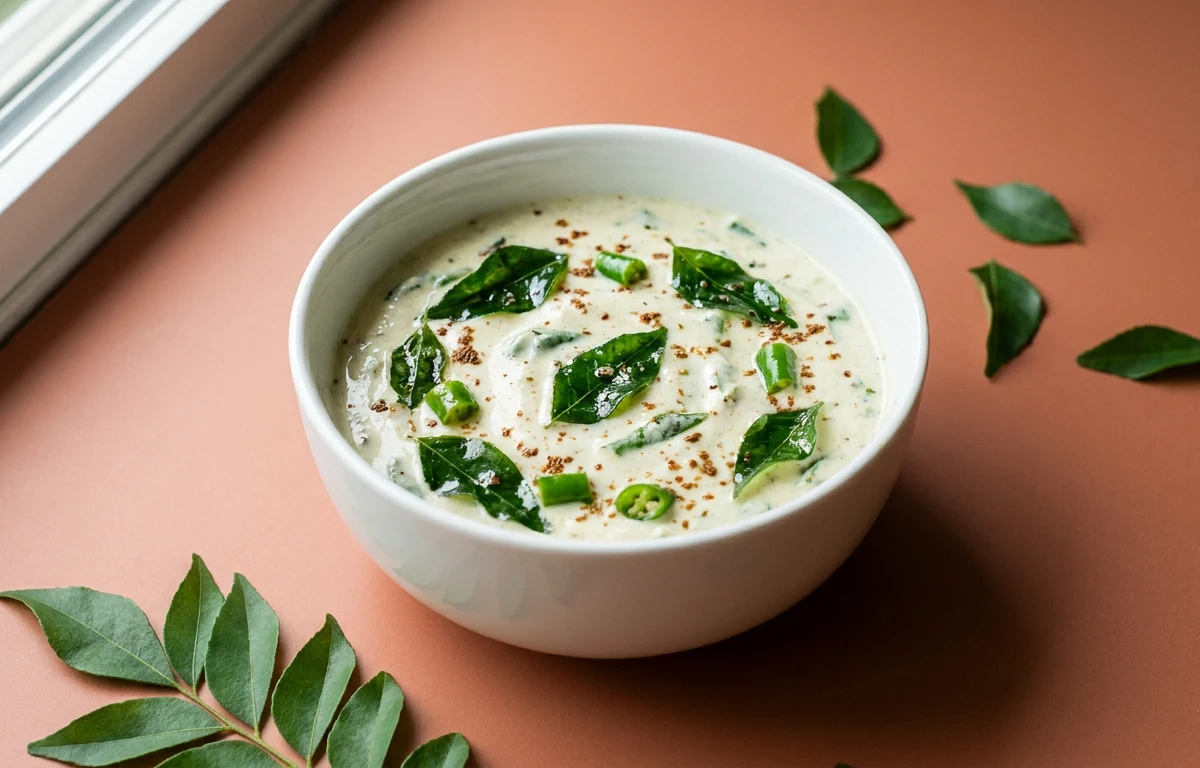
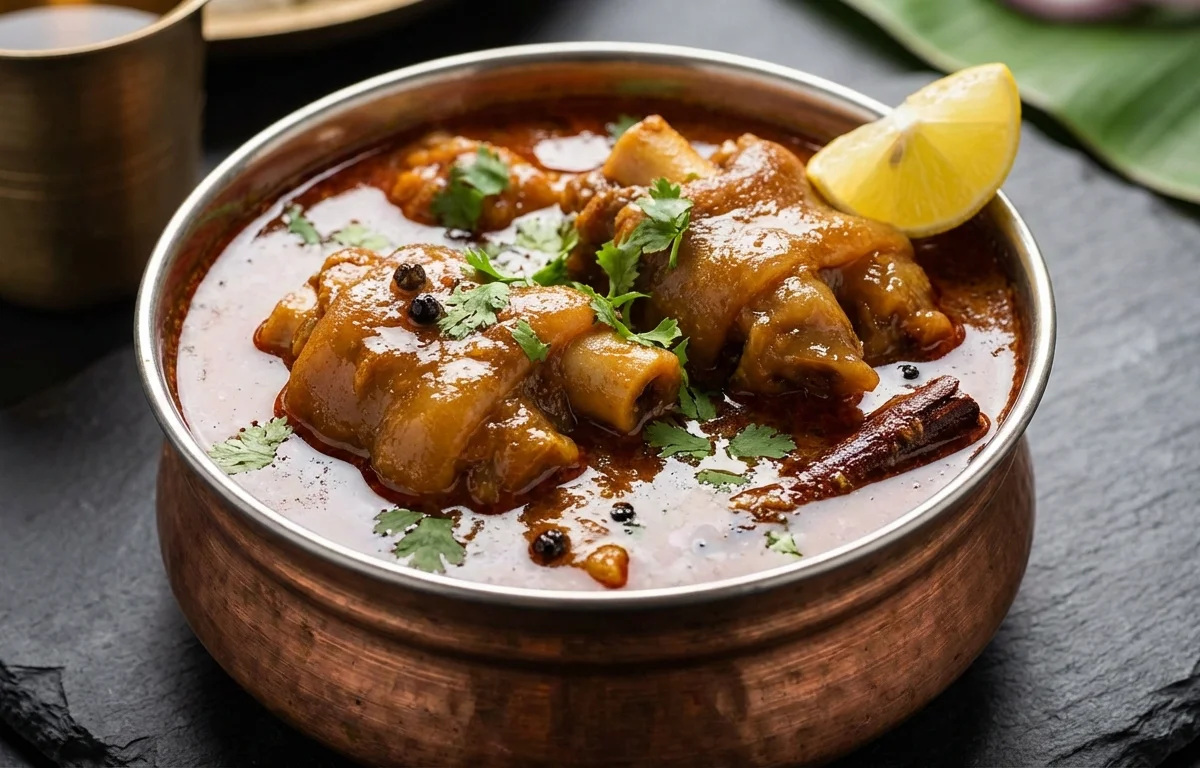
A slow-cooked South Indian goat trotters soup-curry with a rich, silky broth, gentle spice, and deep flavor from roasted coconut and whole spices. It is warming, satisfying, and especially good with idiyappam, appam, or parotta.
For 4 servings
- prep · ~10 min
Clean and rinse the goat trotters.
Wash the goat trotters very well under running water and drain completely. Keep the onions, tomatoes, green chilies, and coriander leaves ready.
TIPAsk the butcher to singe and scrape the trotters well, so the broth stays clean and full-flavored. - roast · ~5 min
Roast the coconut and whole spices.
1.Heat a small pan over low heat.2.Add fresh coconut, fennel seeds, black peppercorns, and cumin seeds.3.Roast gently until the coconut turns light golden and smells nutty, about 3 to 4 minutes.4.Cool slightly. - mix · ~3 min
Grind the roasted mixture.
Blend the roasted coconut and spices with a little water to a smooth paste. Set it aside for later.
TIPGrind it smooth for a silkier paya and better body in the broth. - saute · ~10 min
Cook the onion base.
1.Heat oil in a pressure cooker over medium heat.2.Add cinnamon, cloves, green cardamom, and bay leaf; cook for 20 to 30 seconds.3.Add sliced onions and cook until soft and lightly golden, 6 to 8 minutes.4.Add green chilies and ginger-garlic paste, then sauté until the raw smell goes away, about 1 minute. - saute · ~6 min
Add tomatoes and spice powders.
1.Add chopped tomatoes and cook until soft and pulpy, 4 to 5 minutes.2.Add coriander powder, red chili powder, turmeric powder, and salt.3.Mix well and cook for 1 minute. - pressure cook · ~50 min
Pressure cook the trotters.
1.Add the goat trotters and mix well with the masala.2.Pour in water and stir in the ground coconut paste.3.Close the cooker and cook on medium heat for 35 to 40 minutes, or until the trotters are very tender and the broth turns rich.4.Let the pressure release naturally.TIPTrotters need time to soften fully; if needed, pressure cook a little longer instead of rushing this step. - simmer · ~15 min
Simmer the paya.
Open the cooker and check the consistency. Simmer uncovered for 10 to 15 minutes until the broth is slightly thick, glossy, and well blended.
- garnish · ~1 min
Finish with coriander leaves and lemon juice.
- serve · ~1 min
Serve the Attu Kaal Paya hot.
Ladle into katoris and serve hot with idiyappam, appam, dosa, or parotta.
What to keep in mind.
6 tips from the recipe — small details that make a real difference to the final dish.
- 1Roast the coconut only to light golden; darker roasting can make the paya taste bitter.
- 2Let the pressure drop naturally so the broth stays clearer and the trotters finish softening gently.
- 3If the broth looks thin after pressure cooking, simmer uncovered until it turns glossy and lightly coats the spoon.
- 4Skim excess fat after resting for a few minutes if you want a cleaner, lighter-tasting paya.
- 5Add the lemon juice only at the end to brighten the rich broth without dulling the spices.
- 6Paya tastes even better after a few hours of rest, when the collagen-rich broth and masala meld fully.
Adapt it for your goals.
Spicier
Increase black pepper and red chili powder for a hotter, more peppery paya that pairs especially well with parotta.
thinner brothThinner-broth
Add a little more water and simmer briefly for a soupier version that is ideal with idiyappam or appam.
no coconutNo-coconut
Skip the coconut for a lighter, more broth-forward paya with a cleaner meat and spice profile.
stovetop slow cookedStovetop-slow-cooked
Cook covered on low heat for longer instead of pressure cooking if you prefer traditional slow extraction and deeper broth development.
Why this is on our healthy list.
Protein-Rich Main Dish
Goat trotters provide substantial animal protein, making this paya filling and satisfying as a meal.
Collagen-Rich Broth
Slow-cooked trotters create a naturally gelatinous broth, a hallmark of paya made from connective tissue and bone.
Digestive Spice Support
Ginger, garlic, cumin, fennel, and black pepper add classic warming spices that are traditionally valued in rich meat dishes.
Frequently asked questions
They should be very tender, with the broth turning rich and slightly sticky from released collagen. If still chewy, pressure cook longer.