Other10 recipes
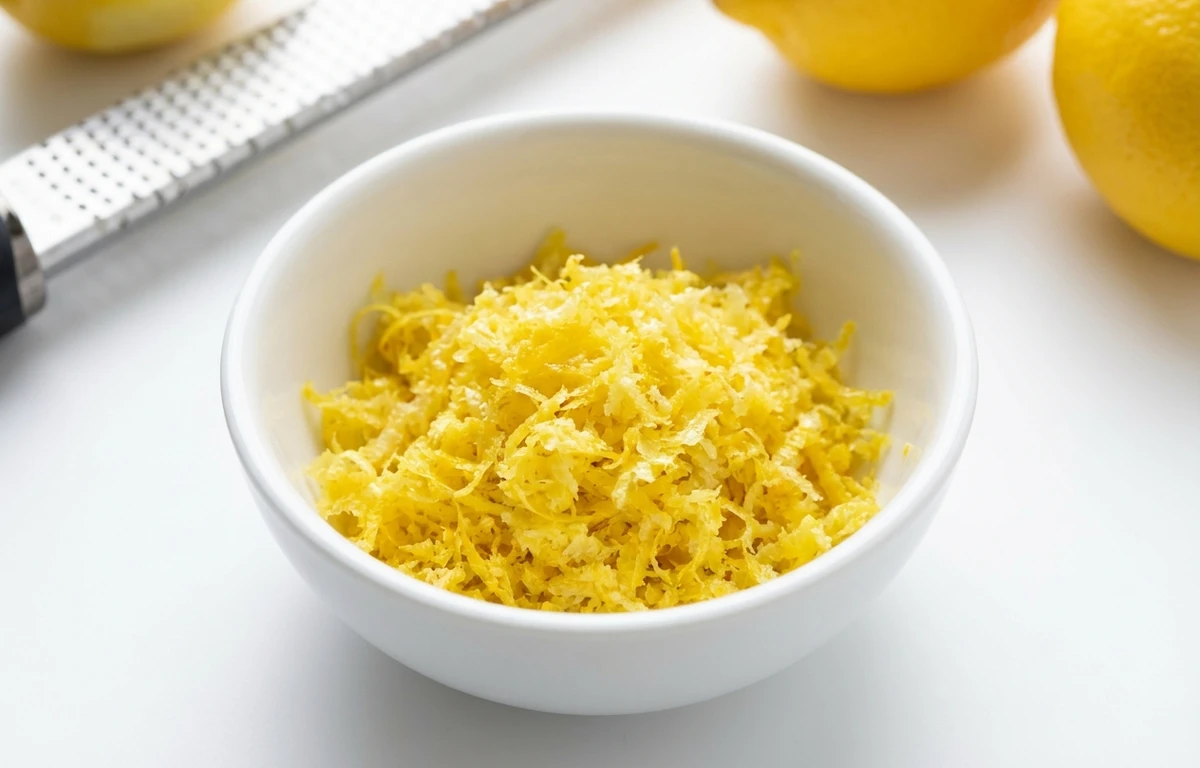
lemon zest.
VegetarianVeganGluten-freeDairy-freeNut-freePeanut-freeSoy-freeEgg-freeShellfish-freeHoney-freeAlcohol-free
ALSO KNOWN AS
lemon rindgrated lemon peellemon zestLemon Peel
SERVING
CALORIES
73
PROTEIN
1.5g
CARBS
16g
FAT
0.30g
FIBER
10.6g
NUTRITION PROFILE · per 100 g
Everything in this ingredient.
MACRONUTRIENTS
Calories72.7kcal—
Protein1.5g3%
Carbohydrates16g6%
Fiber10.6g38%
Sugar4.5g9%
Total fat0.30g0%
Saturated fat0.05g0%
Trans fat0g—
Cholesterol0mg0%
Water79g—
MINERALS
Sodium6.0mg0%
Potassium160mg3%
Calcium134mg10%
Iron0.60mg3%
Magnesium16mg4%
Phosphorus16mg1%
Zinc0.06mg1%
Copper0.08mg9%
Manganese0.07mg3%
Selenium0.60µg1%
VITAMINS
Vitamin A1.0µg0%
Vitamin C129mg143%
Vitamin D0µg0%
Vitamin E0.15mg1%
Vitamin K5.4µg5%
Thiamin (B1)0.06mg5%
Riboflavin (B2)0.09mg7%
Niacin (B3)0.20mg1%
Pantothenic acid (B5)0.21mg4%
Vitamin B60.08mg5%
Folate (B9)11µg3%
Vitamin B120µg0%
%DV based on a 2,000 cal diet. Source: USDA FoodData Central. A dash in the %DV column means there’s no established Daily Value for that nutrient.
MEASUREMENT CONVERSIONS
How much is what.
1 cup106g
1 tablespoon6g
1 teaspoon2g
1 ml0.4g
1 liter400g
1 piece1g
HEALTH BENEFITS
Why eat it.
- ✓Rich in antioxidants, particularly D-limonene, which may have anti-inflammatory and anti-cancer properties.
- ✓Contains pectin, a soluble fiber that can support digestive health and may help lower cholesterol.
- ✓Good source of Vitamin C and other bioactive compounds that support immune function and skin health.
- ✓Possesses antimicrobial properties that may help inhibit the growth of harmful bacteria.
COOKING TIPS
In the kitchen.
- 1Use a microplane or fine grater to remove only the yellow part of the peel, avoiding the bitter white pith underneath.
- 2Add zest at the end of the cooking process to preserve its bright, aromatic oils and potent flavor.
- 3Rub lemon zest into sugar when baking to release its essential oils and infuse the sugar with a strong lemon flavor.
- 4Incorporate into marinades, dressings, sauces, and baked goods to add a fresh, citrusy aroma and taste without adding extra acidity.
STORAGE
Keep it fresh.
- Store fresh zest in an airtight container in the refrigerator for up to one week.
- For long-term storage, freeze zest in a single layer on a baking sheet before transferring to a freezer-safe bag. It will keep for several months.
- Mix zest with sugar or salt and store in an airtight jar to create an infused flavoring that lasts for months.
FAQ
Frequently asked questions.
Is lemon zest healthy?
Yes, lemon zest is very healthy. It's packed with antioxidants like D-limonene, which may offer anti-inflammatory and anti-cancer benefits. It also contains pectin, supporting digestive health, and Vitamin C for immune function and skin health.
What are the nutritional benefits of lemon zest?
Lemon zest is rich in beneficial compounds, including potent antioxidants like D-limonene, which is being studied for its potential health protective effects. It also provides dietary fiber (pectin), Vitamin C, and other bioactive compounds that support overall well-being, immune health, and skin health.
How many calories and carbs are in lemon zest?
Lemon zest is very low in calories and carbs when used in typical serving sizes. Per 100g, it contains approximately 47 calories and 16g of carbohydrates. However, a typical recipe uses only a teaspoon or two, which contributes negligible calories and carbs.
Is lemon zest vegan and gluten-free?
Yes, lemon zest is naturally vegan and gluten-free. It is simply the grated outer peel of a lemon, containing no animal products or gluten-containing ingredients. This makes it suitable for a wide range of dietary preferences.
Is lemon zest keto-friendly or low-carb?
Yes, lemon zest is considered keto-friendly and very low-carb, especially in the small quantities typically used. While 100g has 16g of carbs, a teaspoon (around 2-3g) would contribute less than 1g of net carbs, making it an excellent flavor enhancer for low-carb diets.
How do you properly zest a lemon?
To properly zest a lemon, use a microplane, fine grater, or vegetable peeler. Grate only the bright yellow outer layer, avoiding the bitter white pith underneath. Rotate the lemon as you go to ensure you only get the zest.
What does lemon zest taste like and what is it used for?
Lemon zest has a bright, intensely aromatic, and slightly tart citrus flavor, without the sourness of lemon juice. It's widely used to add a fresh, vibrant aroma and flavor to both sweet and savory dishes, including baked goods, marinades, dressings, and cocktails.
How do you store lemon zest?
Fresh lemon zest can be stored in an airtight container in the refrigerator for up to 3-5 days. For longer storage, spread it thinly on a baking sheet and freeze until solid, then transfer to a freezer-safe bag or container for up to several months.
How long does lemon zest last?
Fresh lemon zest lasts about 3-5 days in the refrigerator. If frozen, it can maintain its flavor and aroma for up to 3-6 months. Beyond that, it may lose some of its potency, though it generally remains safe to consume.
Can you eat too much lemon zest?
While lemon zest is generally safe and healthy, consuming extremely large quantities might lead to digestive upset due to its fiber content or the concentration of essential oils. However, in typical culinary amounts, it is perfectly safe and beneficial. Always wash lemons thoroughly before zesting.
RECIPES
Cook with lemon zest.
10 recipes · sorted by what’s quick