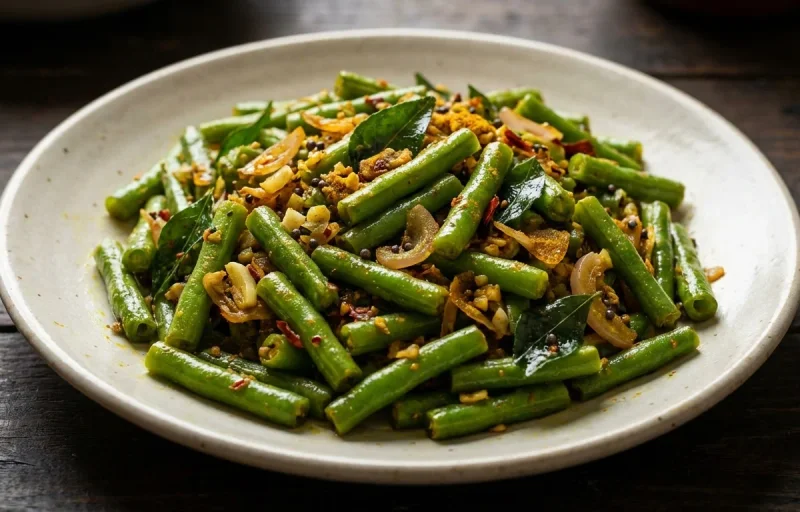
Protein7 recipes
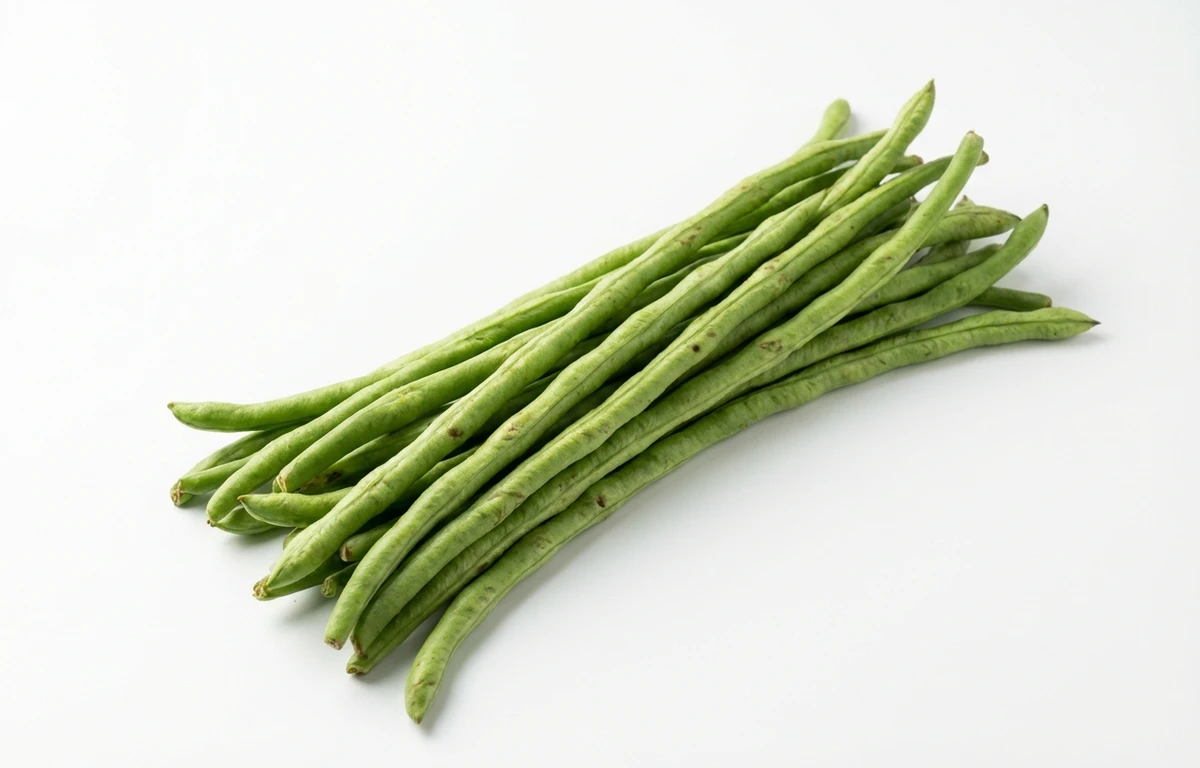
long beans.
VegetarianVeganGluten-freeDairy-freeNut-freePeanut-freeSoy-freeEgg-freeShellfish-freeHoney-freeAlcohol-free
ALSO KNOWN AS
yardlong beansChinese long beansasparagus beansboraलोबिया (Lobhia)long beanssnake beansbodibarbatipayathamkaikacang panjang
SERVING
CALORIES
47
PROTEIN
2.8g
CARBS
8.3g
FAT
0.20g
FIBER
3.6g
NUTRITION PROFILE · per 100 g
Everything in this ingredient.
MACRONUTRIENTS
Calories47kcal—
Protein2.8g6%
Carbohydrates8.3g3%
Fiber3.6g13%
Sugar1.0g2%
Total fat0.20g0%
Saturated fat0.04g0%
Trans fat0g—
Cholesterol0mg0%
Water88.5g—
MINERALS
Sodium4.0mg0%
Potassium240mg5%
Calcium50mg4%
Iron0.47mg3%
Magnesium44mg10%
Phosphorus59mg5%
Zinc0.27mg2%
Copper0.08mg9%
Manganese0.19mg8%
Selenium0.60µg1%
VITAMINS
Vitamin A42µg5%
Vitamin C18.8mg21%
Vitamin D0µg0%
Vitamin E0.04mg0%
Vitamin K18.7µg16%
Thiamin (B1)0.11mg9%
Riboflavin (B2)0.10mg8%
Niacin (B3)0.40mg3%
Pantothenic acid (B5)0.07mg1%
Vitamin B60.04mg2%
Folate (B9)60µg15%
Vitamin B120µg0%
%DV based on a 2,000 cal diet. Source: USDA FoodData Central. A dash in the %DV column means there’s no established Daily Value for that nutrient.
MEASUREMENT CONVERSIONS
How much is what.
1 cup100g
1 tablespoon6.3g
1 teaspoon2.1g
1 ml0.4g
1 liter416.7g
1 piece15g
HEALTH BENEFITS
Why eat it.
- ✓Rich in dietary fiber, which supports digestive health and helps regulate blood sugar levels.
- ✓Excellent source of Vitamin C, an antioxidant that boosts the immune system and promotes skin health.
- ✓Provides a good amount of Vitamin A, which is essential for vision health and immune function.
- ✓Contains folate (Vitamin B9), crucial for cell growth and metabolism, and particularly important during pregnancy.
- ✓Good source of minerals like potassium, iron, and calcium, supporting bone health, blood pressure, and oxygen transport.
COOKING TIPS
In the kitchen.
- 1Best cooked quickly using methods like stir-frying, steaming, or blanching to maintain their crisp-tender texture and vibrant color.
- 2Cut into 2-3 inch segments for even cooking and easier handling in dishes like stir-fries, curries, and salads.
- 3Long beans absorb flavors well; pair them with bold ingredients like garlic, ginger, chili flakes, soy sauce, or fermented black beans.
- 4Avoid boiling for long periods, as this can make them waterlogged and mushy.
STORAGE
Keep it fresh.
- Store unwashed long beans in a perforated plastic bag in the refrigerator's crisper drawer for up to one week.
- For long-term storage, blanch chopped beans for 2 minutes, plunge into an ice bath, drain well, and freeze in an airtight container for up to 10 months.
FAQ
Frequently asked questions.
Are long beans healthy?
Yes, long beans are very healthy. They are low in calories and fat, while being rich in dietary fiber, vitamins (C, A, folate), and minerals (potassium, iron, calcium). These nutrients support digestion, boost immunity, promote vision, and contribute to overall well-being.
What are the nutritional benefits of long beans?
Long beans are an excellent source of dietary fiber, aiding digestive health and blood sugar regulation. They provide significant Vitamin C for immune support and skin health, and Vitamin A for vision. Additionally, they contain folate, crucial for cell function, and minerals like potassium, iron, and calcium.
How many calories and carbs are in long beans?
Per 100 grams, long beans contain approximately 47 calories and 8.3 grams of carbohydrates. They are also very low in fat (0.2g) and provide a modest amount of protein (2.8g), making them a nutritious, low-calorie vegetable.
Are long beans suitable for a vegan diet?
Yes, long beans are entirely plant-based and are an excellent addition to a vegan diet. As a vegetable, they provide essential vitamins, minerals, and fiber without any animal products.
Are long beans gluten-free?
Yes, long beans are naturally gluten-free. They are a vegetable and do not contain any wheat, barley, or rye, making them safe for individuals with celiac disease or gluten sensitivity.
Are long beans keto-friendly?
While long beans are relatively low in calories and fat, their carbohydrate content of 8.3g per 100g might be considered moderate for strict ketogenic diets. They can be consumed in small portions, but other lower-carb vegetables might be preferred for those aiming for very low carb intake.
How do you cook long beans?
Long beans can be cooked in various ways. They are often stir-fried, steamed, boiled, or sautéed. Simply trim the ends, cut them into desired lengths (usually 2-3 inches), and cook until tender-crisp, typically for 5-7 minutes depending on the method.
What do long beans taste like?
Long beans have a mild, slightly sweet, and earthy flavor, similar to green beans but often with a firmer, chewier texture. They absorb flavors well from sauces and spices, making them versatile in many cuisines, especially Asian dishes.
How do you store long beans?
Store fresh long beans unwashed in a plastic bag or wrapped in a damp paper towel in the crisper drawer of your refrigerator. They typically stay fresh for about 5-7 days. For longer storage, they can be blanched and then frozen.
How do you know if long beans are fresh?
Fresh long beans should be firm, crisp, and bright green, without any signs of wilting, brown spots, or sliminess. They should snap easily when bent. Avoid beans that are limp, discolored, or have a slimy texture, as these indicate spoilage.
RECIPES
Cook with long beans.
7 recipes · sorted by what’s quick
.webp)