Spice10 recipes
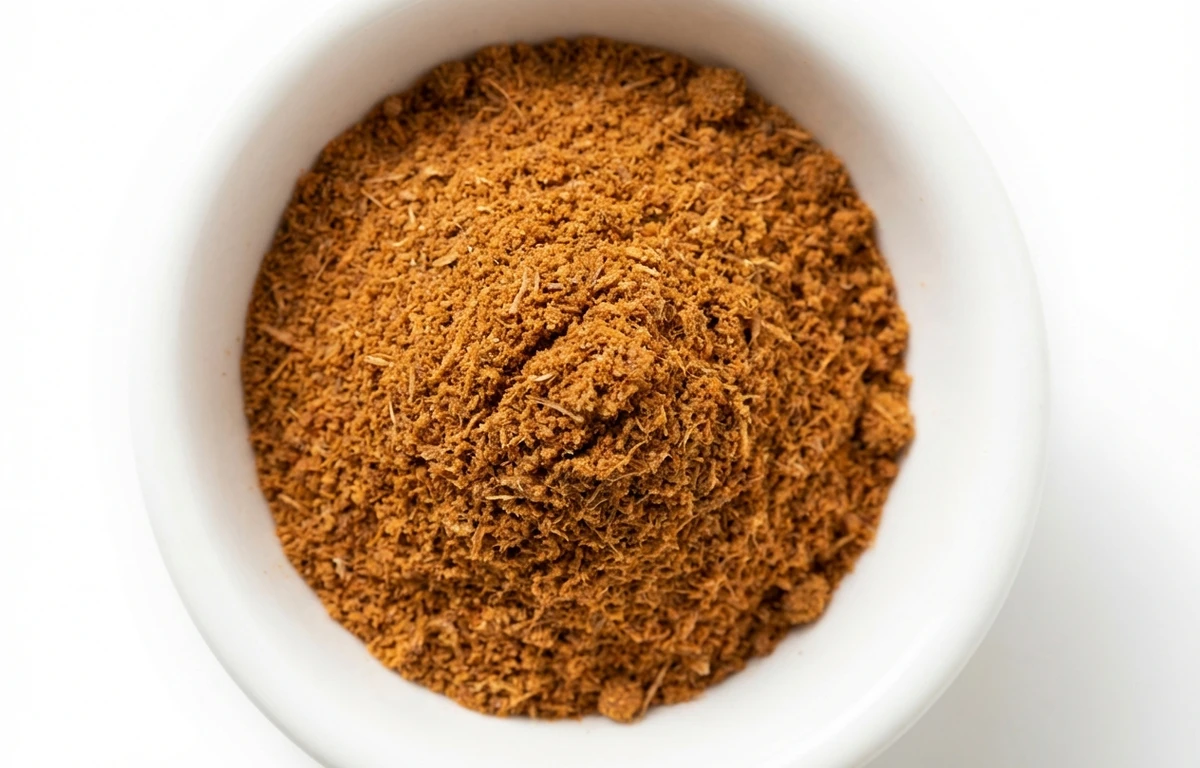
mace.
VegetarianVeganGluten-freeDairy-freeNut-freePeanut-freeSoy-freeEgg-freeShellfish-freeHoney-freeAlcohol-free
ALSO KNOWN AS
nutmeg flowerJaiphal ka phool
SERVING
CALORIES
475
PROTEIN
6.7g
CARBS
50.5g
FAT
32.4g
FIBER
20.3g
NUTRITION PROFILE · per 100 g
Everything in this ingredient.
MACRONUTRIENTS
Calories475kcal—
Protein6.7g13%
Carbohydrates50.5g18%
Fiber20.3g73%
Sugar3.0g6%
Total fat32.4g42%
Saturated fat20.3g102%
Trans fat0g—
Cholesterol0mg0%
Water6.2g—
MINERALS
Sodium80mg3%
Potassium450mg10%
Calcium252mg19%
Iron13.9mg77%
Magnesium207mg49%
Phosphorus110mg9%
Zinc1.2mg11%
Copper1.9mg211%
Manganese2.1mg92%
Selenium7.2µg13%
VITAMINS
Vitamin A42µg5%
Vitamin C21mg23%
Vitamin D0µg0%
Vitamin E4.2mg28%
Vitamin K70.4µg59%
Thiamin (B1)0.13mg11%
Riboflavin (B2)0.13mg10%
Niacin (B3)0.92mg6%
Pantothenic acid (B5)0.35mg7%
Vitamin B60.30mg18%
Biotin (B7)1.8µg6%
Folate (B9)32.6µg8%
Vitamin B120µg0%
%DV based on a 2,000 cal diet. Source: USDA FoodData Central. A dash in the %DV column means there’s no established Daily Value for that nutrient.
MEASUREMENT CONVERSIONS
How much is what.
1 cup84.8g
1 tablespoon5.3g
1 teaspoon1.7g
1 ml0.4g
1 liter353.3g
1 piece1.5g
HEALTH BENEFITS
Why eat it.
- ✓Possesses anti-inflammatory properties due to compounds like myristicin and eugenol.
- ✓Rich in antioxidants that help combat oxidative stress in the body.
- ✓Traditionally used as a digestive aid to alleviate bloating, gas, and indigestion.
- ✓Contains essential minerals such as manganese, copper, and magnesium, which are important for various bodily functions.
COOKING TIPS
In the kitchen.
- 1Mace has a flavor profile similar to nutmeg but is more delicate and aromatic; use it in dishes where a subtler spice note is desired.
- 2Add ground mace near the end of the cooking process to preserve its volatile oils and delicate aroma.
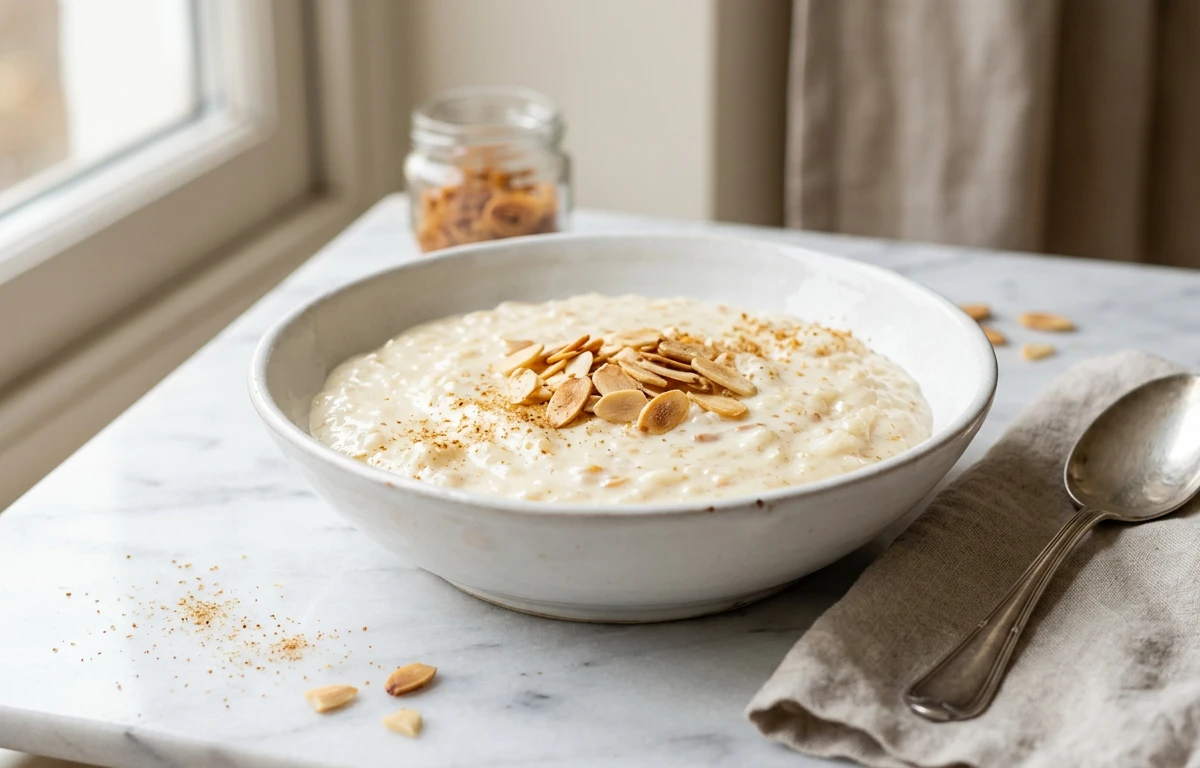
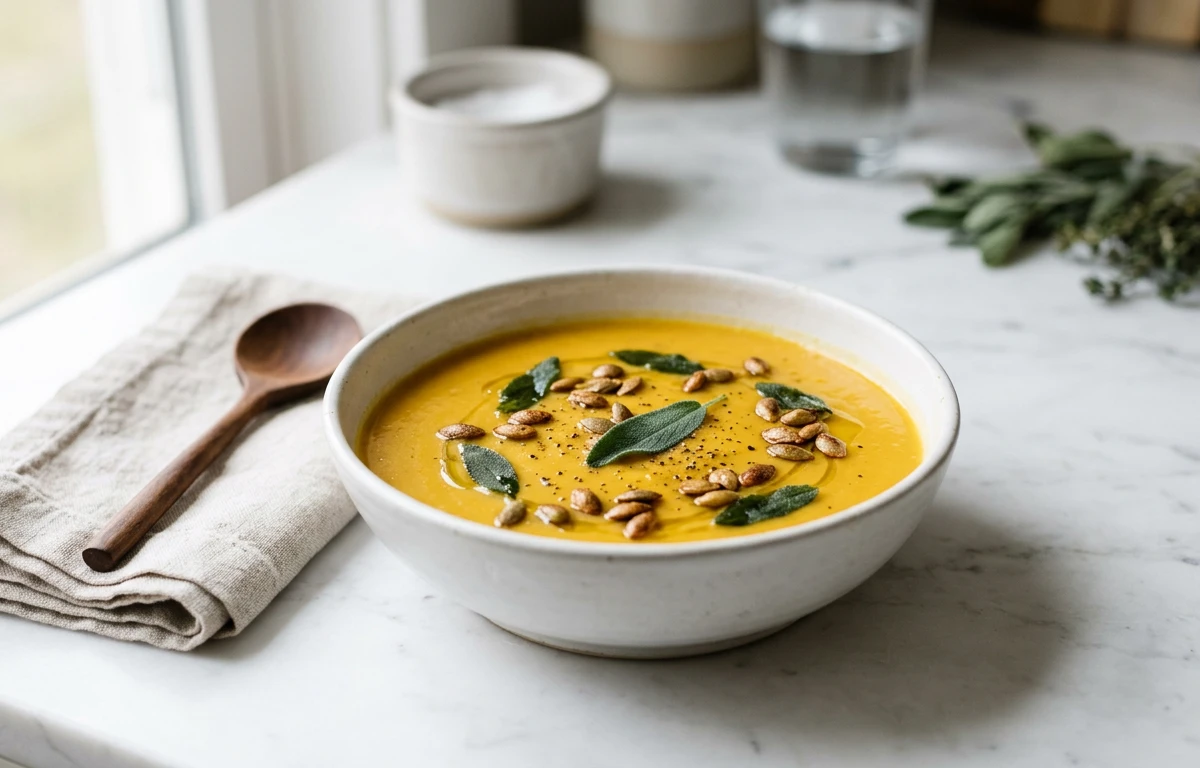
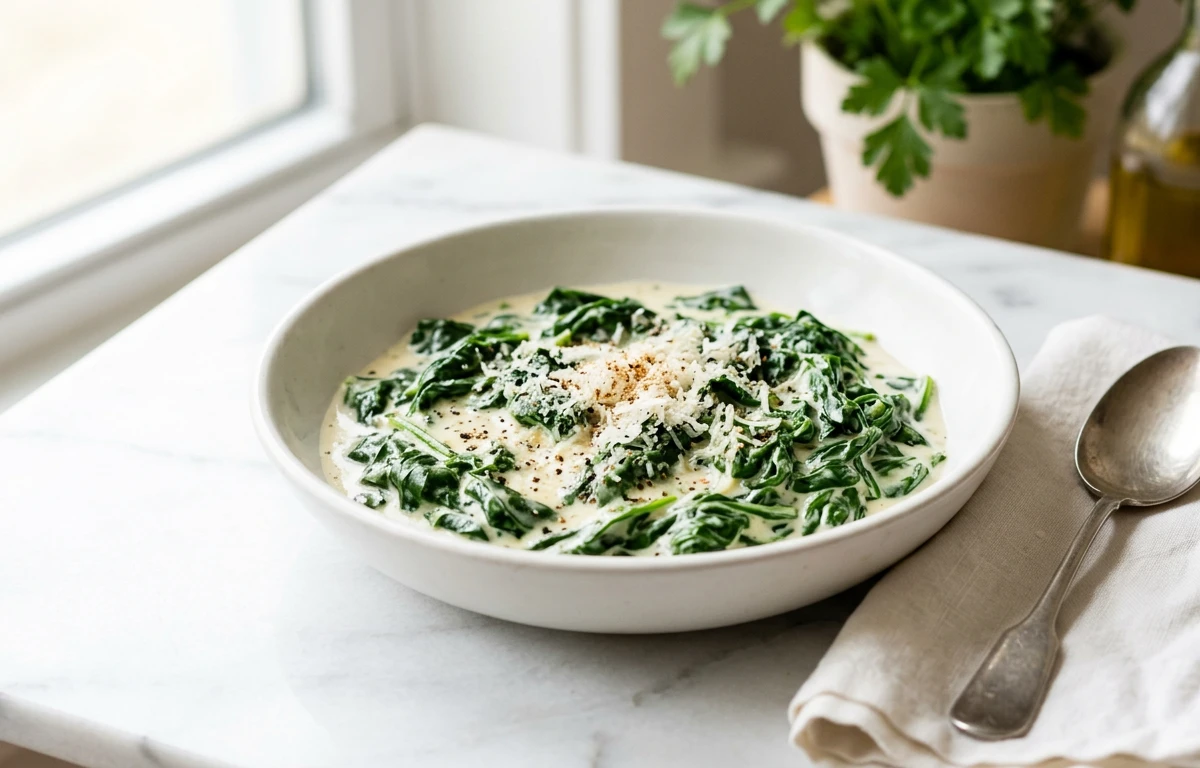
- 3It complements both sweet dishes like custards, puddings, and baked goods, and savory dishes such as cream sauces, sausages, and vegetable preparations.
- 4For the most vibrant flavor, purchase whole mace blades and grind them fresh just before use.
STORAGE
Keep it fresh.
- Store whole mace blades or ground mace in a tightly sealed, airtight container away from direct sunlight and heat.
- Whole mace blades will retain their potency for up to 2-3 years, while ground mace should be used within 6-12 months for best flavor.
FAQ
Frequently asked questions.
What are the health benefits of mace?
Mace possesses anti-inflammatory properties due to compounds like myristicin and eugenol. It's rich in antioxidants that help combat oxidative stress and has been traditionally used as a digestive aid to alleviate bloating and indigestion. It also contains essential minerals like manganese, copper, and magnesium.
What is the nutritional content of mace?
Per 100g, mace is quite calorie-dense, providing approximately 475 calories. It contains about 6.71g of protein, 50.5g of carbohydrates, and 32.4g of fat. However, mace is typically used in very small quantities, so its contribution to daily nutritional intake is minimal.
Is mace vegan and gluten-free?
Yes, mace is naturally vegan as it is a plant-derived spice, the aril of the nutmeg seed. It is also naturally gluten-free, making it suitable for individuals following vegan or gluten-free diets.
Is mace keto-friendly?
While mace contains 50.5g of carbs per 100g, it is used in such small amounts (typically less than a teaspoon per dish) that its carbohydrate contribution to a meal is negligible. Therefore, mace can be considered keto-friendly when used sparingly as a flavoring spice.
What does mace taste like?
Mace has a delicate, warm, and slightly sweeter flavor than nutmeg, with hints of pepper, pine, and citrus. It's often described as a more refined and subtle version of nutmeg, making it versatile for both sweet and savory dishes.
How is mace typically used in cooking?
Mace is used to flavor a variety of dishes, including baked goods like cakes and custards, and savory items such as stews, soups, sauces, and curries. It's also a common ingredient in spice blends for sausages, pates, and pickling, and pairs well with cheese, potatoes, and root vegetables.
What is the difference between mace and nutmeg?
Mace and nutmeg both come from the same fruit of the nutmeg tree. Mace is the lacy, reddish aril that covers the nutmeg seed, while nutmeg is the seed itself. Mace has a more delicate, subtle, and slightly sweeter flavor profile compared to nutmeg's stronger, earthier, and more pungent taste.
How should mace be stored?
Mace, whether whole or ground, should be stored in an airtight container in a cool, dark place away from direct sunlight and heat. This helps preserve its volatile oils and aromatic compounds, maintaining its flavor and potency.
How long does mace last, and does it expire?
While mace doesn't truly 'expire' in a way that makes it unsafe, its potency and flavor will diminish over time. Whole mace blades can last for 2-3 years, while ground mace typically retains its peak flavor for about 6-12 months. It's best to replace it when its aroma becomes faint.
Can mace be consumed in large quantities?
No, mace should be consumed in moderation. Like its counterpart nutmeg, mace contains compounds like myristicin which, in very large doses (several tablespoons), can have psychoactive effects and be toxic, causing symptoms like nausea, dizziness, and hallucinations. It is safe when used as a spice in typical culinary amounts.