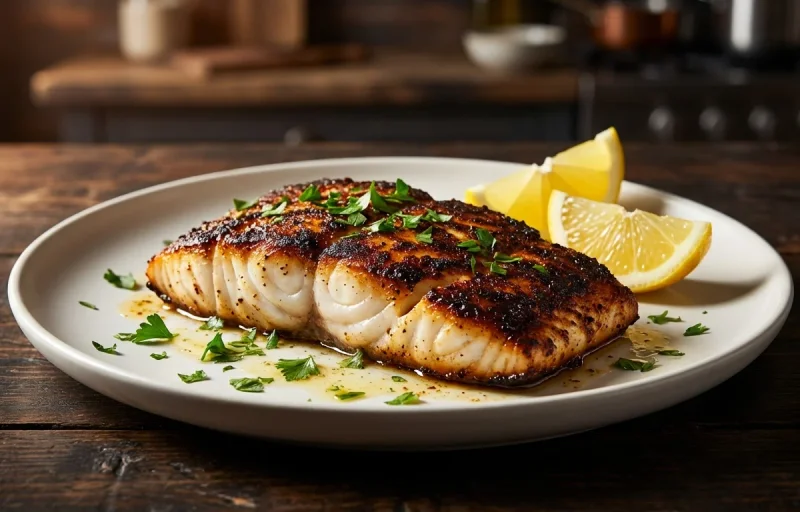
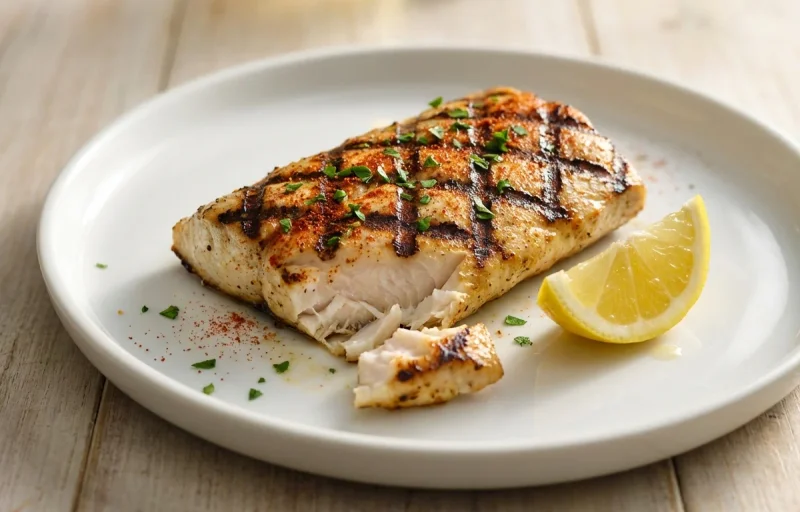
Other3 recipes
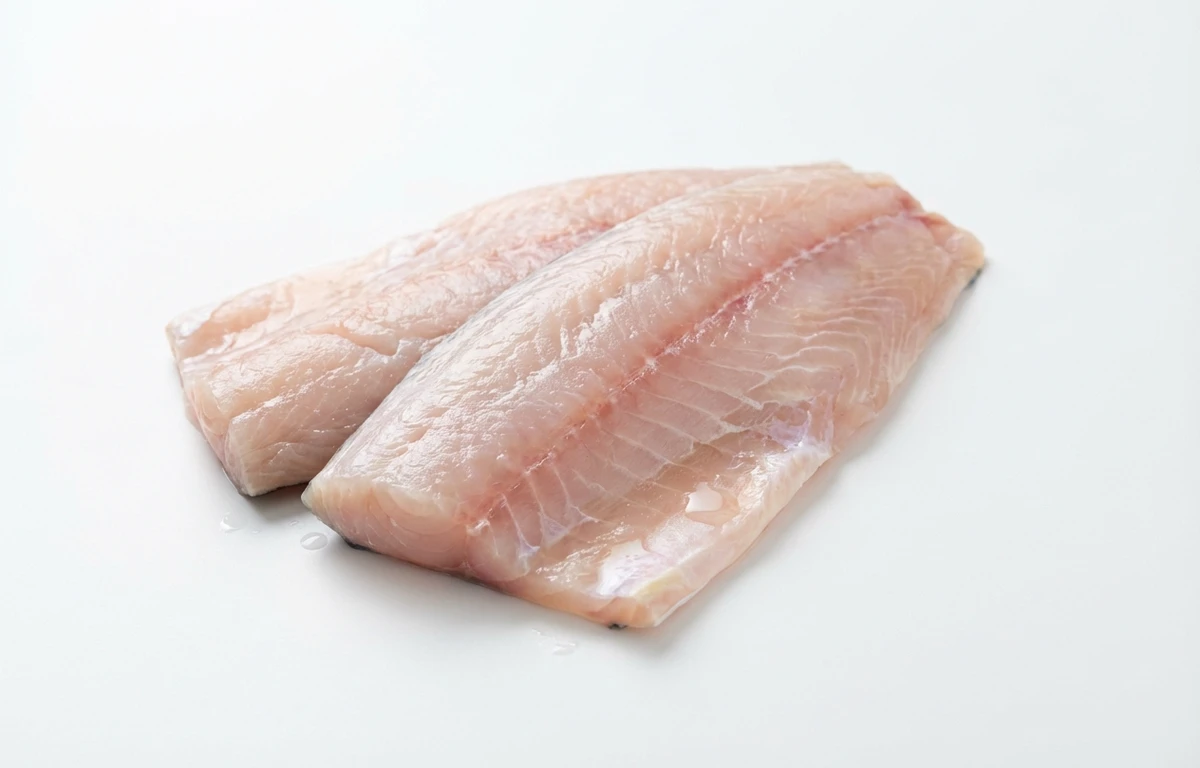
mahi-mahi fillets.
VegetarianVeganGluten-freeDairy-freeNut-freePeanut-freeSoy-freeEgg-freeShellfish-freeHoney-freeAlcohol-free
ALSO KNOWN AS
raw mahi-mahi filletsdolphin fish filletsdorado filletsMahi-Mahi Fillet
SERVING
CALORIES
85
PROTEIN
18.5g
CARBS
0g
FAT
0.70g
FIBER
0g
This ingredient is flagged as naturally gluten-free. Per 100 g, it provides 0.10 µg of vitamin K.
NUTRITION PROFILE · per 100 g
Everything in this ingredient.
MACRONUTRIENTS
Calories85kcal—
Protein18.5g37%
Carbohydrates0g0%
Fiber0g0%
Sugar0g0%
Total fat0.70g1%
Saturated fat0.20g1%
Trans fat0g—
Cholesterol73mg24%
Water79.2g—
MINERALS
Sodium88mg4%
Potassium416mg9%
Calcium15mg1%
Iron1.1mg6%
Magnesium30mg7%
Phosphorus143mg11%
Zinc0.40mg4%
Copper0.03mg3%
Manganese0.01mg0%
Selenium36.5µg66%
VITAMINS
Vitamin A54µg6%
Vitamin C0mg0%
Vitamin D0.50µg3%
Vitamin E0.80mg5%
Vitamin K0.10µg0%
Thiamin (B1)0.02mg2%
Riboflavin (B2)0.01mg1%
Niacin (B3)6.1mg38%
Pantothenic acid (B5)0.70mg14%
Vitamin B60.40mg24%
Folate (B9)5.0µg1%
Vitamin B120.60µg25%
%DV based on a 2,000 cal diet. Source: USDA FoodData Central. A dash in the %DV column means there’s no established Daily Value for that nutrient.
MEASUREMENT CONVERSIONS
How much is what.
1 oz28.4g
1 lb453.6g
1 piece170g
HEALTH BENEFITS
Why eat it.
- ✓Excellent source of lean, high-quality protein
- ✓Rich in Vitamin B12 for nerve function and energy
- ✓Low in calories and saturated fat for heart health
- ✓Provides essential omega-3 fatty acids
COOKING TIPS
In the kitchen.
- 1Cook to an internal temperature of 145°F (63°C) until the flesh is opaque
- 2Avoid overcooking as the lean meat can become dry and tough very quickly
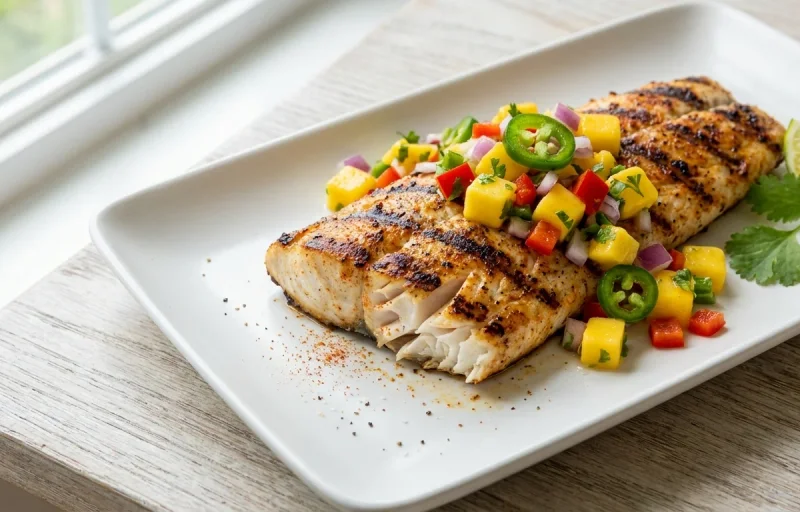
- 3Pairs exceptionally well with citrus-based marinades and tropical fruit salsas
STORAGE
Keep it fresh.
- Store in the coldest part of the refrigerator at 32-38°F (0-3°C)
- Keep in original packaging or vacuum-sealed bags to prevent oxidation
- Use fresh fillets within 1-2 days of purchase for optimal quality
FAQ
Frequently asked questions.
How long do raw mahi-mahi fillets last in the fridge?
Fresh mahi-mahi fillets should be used within 1 to 2 days of purchase if kept properly refrigerated.
Can I freeze mahi-mahi fillets?
Yes, they freeze well. Wrap them tightly in plastic wrap and then place in a freezer bag; they will stay good for up to 3 months.
What is the best way to tell if the fish is fresh?
Fresh mahi-mahi should have a mild, clean scent (not fishy), firm flesh that springs back when touched, and a moist appearance.
What are the best substitutes for mahi-mahi?
Halibut, swordfish, or snapper are excellent substitutes due to their similar firm texture and mild flavor.
Is mahi-mahi high in mercury?
Mahi-mahi is considered to have moderate mercury levels, making it safe for most people to eat 2-3 times per week.
How should I prep the fillets before cooking?
Rinse under cold water and pat completely dry with paper towels to ensure a good sear or crust.
Does mahi-mahi have a strong fishy taste?
No, it is known for its mild, slightly sweet flavor, making it a popular choice for those who don't like 'fishy' fish.
What are common ways to cook mahi-mahi?
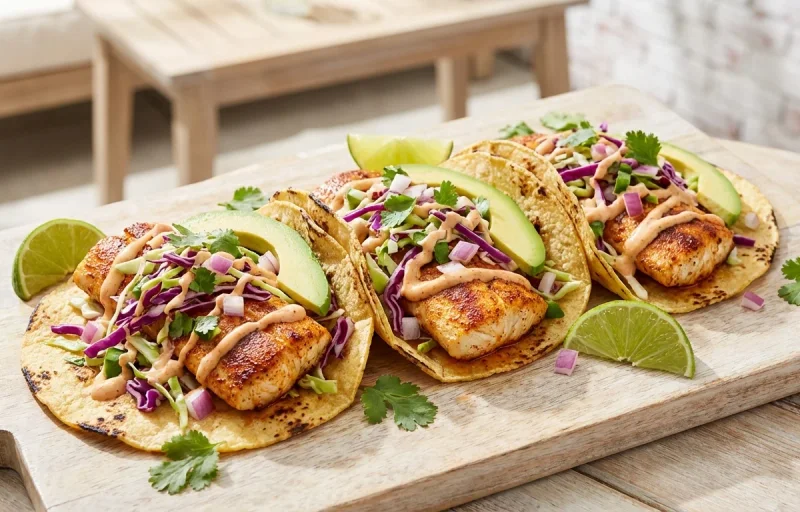
It is very versatile and can be grilled, pan-seared, baked, or used in fish tacos.
Is the skin edible?
While the skin is edible, it is quite thick and leathery, so it is usually removed before or after cooking.
Is mahi-mahi the same as a dolphin?
No, while it is sometimes called 'dolphin fish,' it is a ray-finned fish and is not related to the dolphin mammal.
RECIPES
Cook with mahi-mahi fillets.
3 recipes · sorted by what’s quick