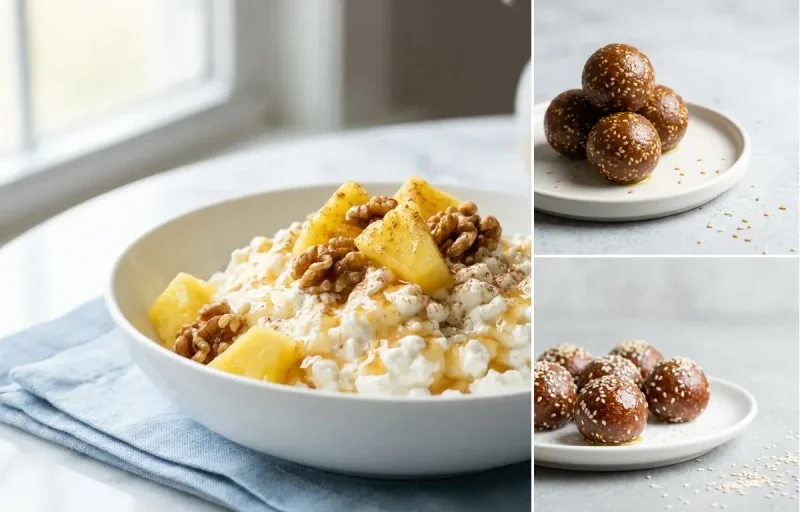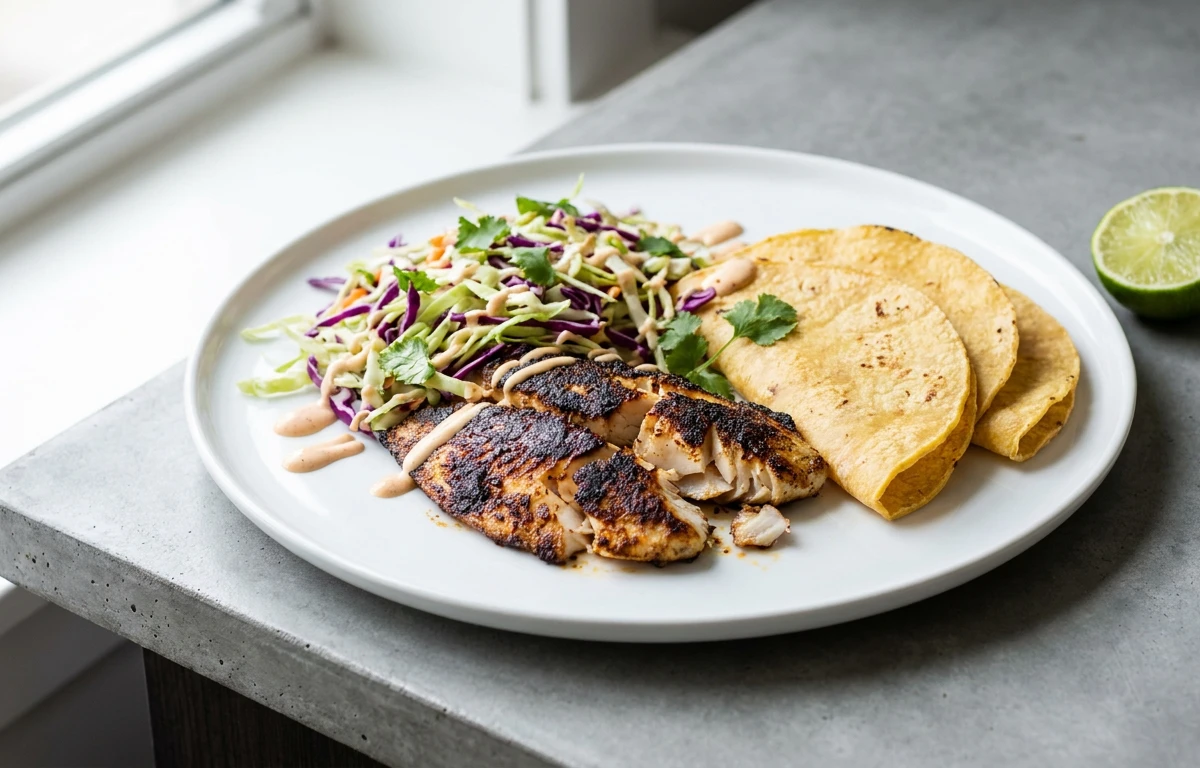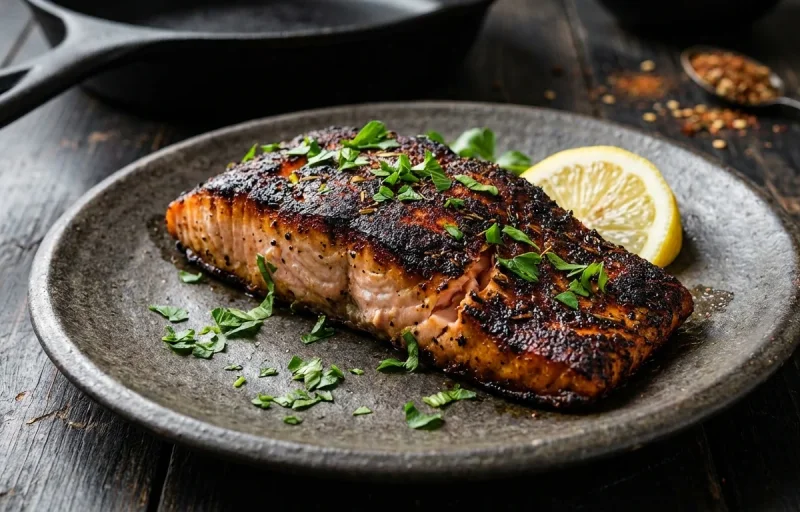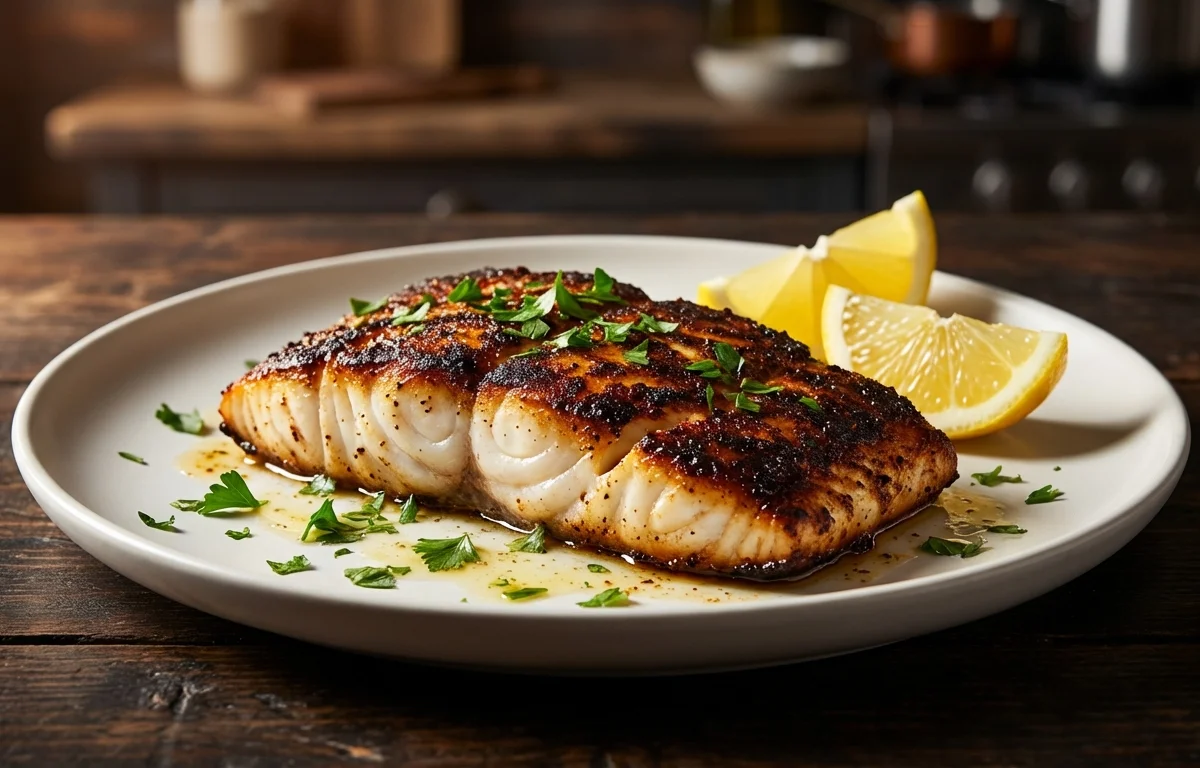
Blackened Mahi-Mahi
Firm, flaky mahi-mahi fillets coated in a bold Cajun spice blend and seared in a screaming-hot cast iron skillet until a dark, flavorful crust forms. The blackening technique locks in moisture while delivering smoky, spicy goodness. Ready in under 15 minutes, this Louisiana classic tastes like a restaurant meal at home.
For 4 servings
- prep · ~2 min
Make the blackening spice blend.
1.In a small bowl, combine paprika, garlic powder, onion powder, dried thyme, dried oregano, black pepper, cayenne pepper, and salt.2.Stir well until evenly mixed. Set aside. - prep · ~2 min
Prep the mahi-mahi fillets.
1.Pat the fillets completely dry with paper towels — any moisture will steam instead of sear.2.Brush both sides of each fillet generously with melted butter.TIPDry fish is critical. Even fridge-cold fillets sweat; pat them again right before seasoning. - prep · ~1 min
Coat the fillets in the spice blend.
1.Sprinkle the spice blend evenly over both sides of the buttered fillets.2.Press the spices gently with your fingers so they adhere to the flesh. - grill · ~5 min
Preheat the cast iron skillet until screaming hot.
1.Place a large cast iron skillet over high heat.2.Heat for 4 to 5 minutes, until the pan just begins to smoke.TIPTurn on the exhaust fan and open a window. The spice-filled smoke is intense but exactly what you want for the crust. - grill · ~3 min
Sear the mahi-mahi on the first side.
1.Carefully lay the fillets in the hot skillet, presentation-side down.2.Cook without moving for 3 minutes, or until a dark reddish-bronze crust forms and the fish releases naturally.TIPDon't crowd the pan — cook in batches if needed. Steam from overcrowding ruins the crust. - grill · ~3 min
Flip and finish cooking.
1.Gently flip each fillet with a thin metal spatula.2.Cook the second side for 2 to 3 minutes more, until the fish is opaque throughout and flakes easily with a fork.TIPMahi-mahi is done when its internal temp reaches 137°F. It will carry over to 140°F off the heat. - serve
Serve immediately with lemon wedges.
Transfer the fillets to warm plates and serve right away with lemon wedges on the side. Squeeze fresh lemon juice over the hot fish just before eating.
What to keep in mind.
7 tips from the recipe — small details that make a real difference to the final dish.
- 1Pat the fillets dry right before buttering to remove any moisture that formed while resting.
- 2Heat the cast iron skillet for a full 5 minutes until it just begins to smoke for the best crust.
- 3Don't move the fillets during the first sear — they release naturally when the crust is ready.
- 4Cook in batches if needed; overcrowding steams the fish and ruins the blackened crust.
- 5Use a thin metal spatula to flip; fish is delicate and a wide spatula supports it best.
- 6Check doneness with an instant-read thermometer at 137°F for perfectly flaky mahi-mahi.
- 7Serve immediately — blackened fish loses its crust quickly as it sits.
Adapt it for your goals.
Lower-heat
Reduce cayenne to a pinch and skip the black pepper for a milder spice crust that still blackens beautifully, ideal for kids or sensitive palates.
high proteinHigh-protein
Swap the butter for ghee or avocado oil to reduce dairy while keeping the high smoke point needed for blackening.
gluten freeGluten-free
This recipe is naturally gluten-free as written — just confirm your spice blend is from a certified gluten-free source.
herbaceousHerbaceous
Add 1 teaspoon of dried rosemary or sage to the spice blend for an earthy, aromatic twist that complements the fish's sweetness.
Why this is on our healthy list.
Lean Protein Source
Mahi-mahi is a lean fish packed with high-quality protein to support muscle repair and satiety.
Rich in Anti-Inflammatory Spices
Paprika, thyme, oregano, and garlic powder contain antioxidant compounds that help reduce inflammation.
Low in Saturated Fat
Brushed with just 2 tablespoons of butter, this dish keeps saturated fat moderate while delivering big flavor.
Frequently asked questions
Yes, but thaw the fillets completely in the fridge overnight and pat them extremely dry before buttering — excess moisture will prevent the crust from forming.