Grain9 recipes
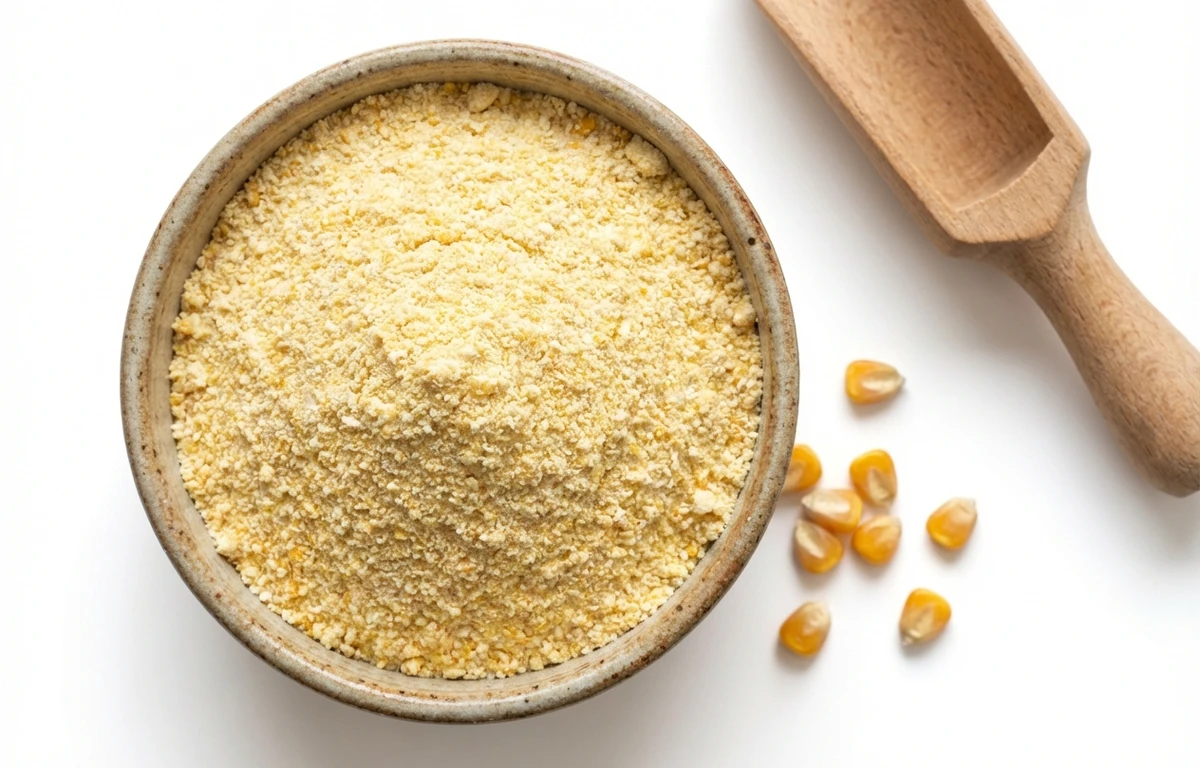
maize flour.
VegetarianVeganGluten-freeDairy-freeNut-freePeanut-freeSoy-freeEgg-freeShellfish-freeHoney-freeAlcohol-freeWhole grain
ALSO KNOWN AS
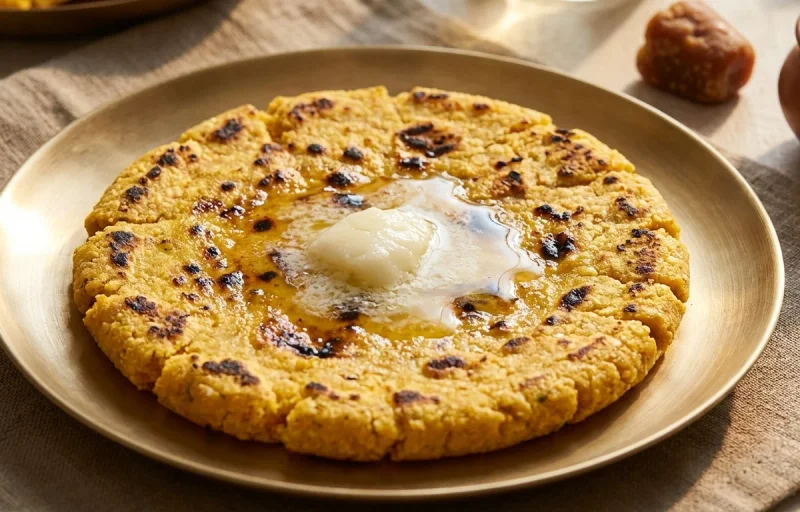
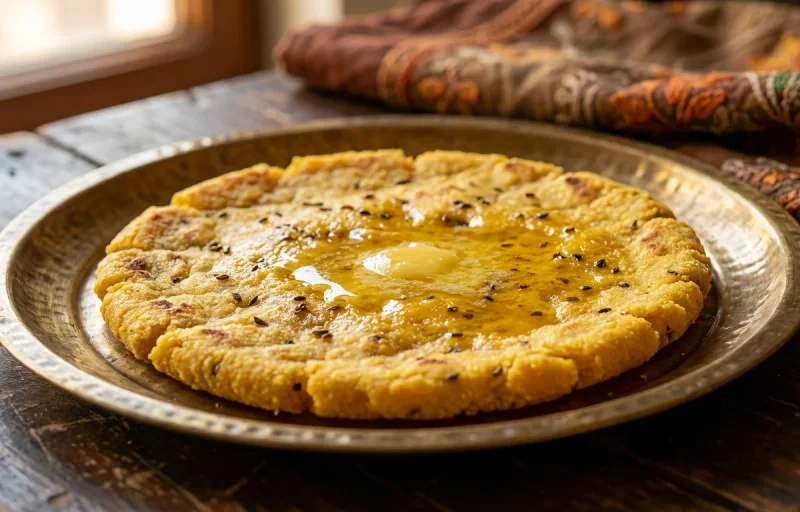
makki ka attacornmealyellow maize flourmaize flourmakki attafine yellow cornmeal
SERVING
CALORIES
361
PROTEIN
6.9g
CARBS
76.8g
FAT
3.9g
FIBER
7.3g
NUTRITION PROFILE · per 100 g
Everything in this ingredient.
MACRONUTRIENTS
Calories361kcal—
Protein6.9g14%
Carbohydrates76.8g28%
Fiber7.3g26%
Sugar0.60g1%
Total fat3.9g5%
Saturated fat0.50g3%
Trans fat0g—
Cholesterol0mg0%
Water10.9g—
MINERALS
Sodium5.0mg0%
Potassium287mg6%
Calcium7.0mg1%
Iron2.4mg13%
Magnesium93mg22%
Phosphorus272mg22%
Zinc1.7mg15%
Copper0.20mg22%
Manganese0.50mg22%
Selenium15.4µg28%
VITAMINS
Vitamin A11µg1%
Vitamin C0mg0%
Vitamin D0µg0%
Vitamin E0.40mg3%
Vitamin K0.30µg0%
Thiamin (B1)0.38mg32%
Riboflavin (B2)0.20mg15%
Niacin (B3)3.6mg23%
Pantothenic acid (B5)0.60mg12%
Vitamin B60.40mg24%
Folate (B9)25µg6%
Vitamin B120µg0%
%DV based on a 2,000 cal diet. Source: USDA FoodData Central. A dash in the %DV column means there’s no established Daily Value for that nutrient.
MEASUREMENT CONVERSIONS
How much is what.
1 cup125g
1 tablespoon9g
1 teaspoon3g
1 oz28.4g
1 lb453.6g
1 liter550g
HEALTH BENEFITS
Why eat it.
- ✓Naturally gluten-free, making it safe for celiac diets
- ✓High in dietary fiber which aids in digestion
- ✓Contains antioxidants like lutein and zeaxanthin for eye health
- ✓Good source of complex carbohydrates for sustained energy
- ✓Provides essential minerals like magnesium and phosphorus
COOKING TIPS
In the kitchen.
- 1Use boiling water when kneading dough for better binding and softness
- 2Mix with a small amount of wheat flour if gluten-free properties are not required for easier handling
- 3Sift before use to remove any lumps and ensure a smooth texture in batters
STORAGE
Keep it fresh.
- Store in an airtight container to prevent moisture absorption
- Keep in a cool, dark, and dry place to avoid rancidity
- Can be refrigerated or frozen to extend shelf life up to a year
FAQ
Frequently asked questions.
Is maize flour the same as cornstarch?
No. Maize flour is made by grinding the whole corn kernel into a fine powder, whereas cornstarch is processed to extract only the starchy part of the kernel.
How long does maize flour last?
When stored in an airtight container in a cool, dry place, it typically lasts 6 to 9 months. Refrigeration can extend this to 12 months.
Is maize flour gluten-free?
Yes, pure maize flour is naturally gluten-free. However, always check labels for potential cross-contamination if you have a severe allergy.
What is the difference between yellow and white maize flour?
Yellow maize flour contains more beta-carotene (Vitamin A) and has a slightly stronger flavor, while white maize flour is milder and lower in carotenoids.
Can I substitute maize flour for all-purpose flour?
Not directly in a 1:1 ratio for baking bread, as maize flour lacks gluten and won't rise the same way. It is best used in specific recipes like tortillas or cornbread.
How do I know if maize flour has gone bad?
It will develop a bitter or sour smell and may show signs of clumping or insect activity. If it smells musty, discard it.
What are the best substitutes for maize flour?
Masa harina is the closest substitute. Depending on the recipe, cornmeal, chickpea flour (besan), or rice flour can also work.
Does maize flour need to be cooked?
Yes, maize flour should be cooked before consumption to make it digestible and to improve the flavor and texture.
RECIPES
Cook with maize flour.
9 recipes · sorted by what’s quick