
Condiment4 recipes
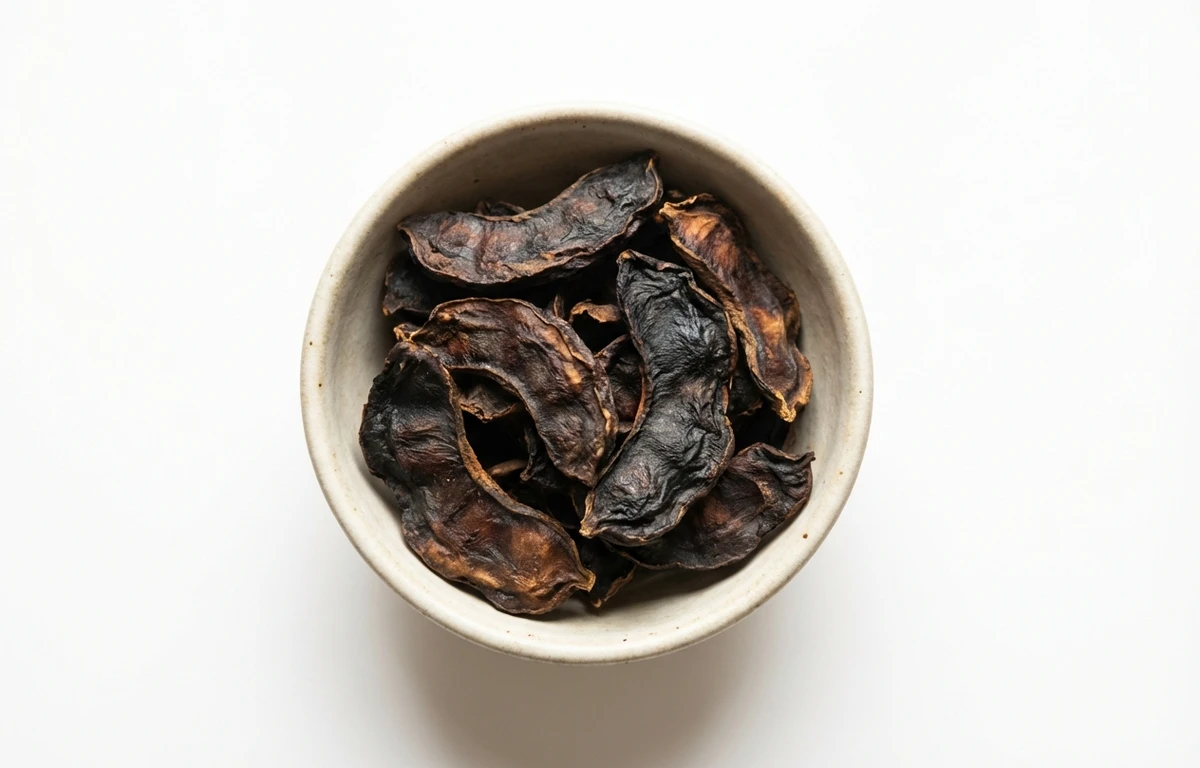
malabar tamarind.
VegetarianVeganGluten-freeDairy-freeNut-freePeanut-freeSoy-freeEgg-freeShellfish-freeHoney-freeAlcohol-free
ALSO KNOWN AS
kudampuligambogeMalabar tamarindBrindleberryPot tamarindGamboogeVrikshamlagarcinia cambogia
SERVING
CALORIES
239
PROTEIN
2.8g
CARBS
62.5g
FAT
0.60g
FIBER
5.1g
NUTRITION PROFILE · per 100 g
Everything in this ingredient.
MACRONUTRIENTS
Calories239kcal—
Protein2.8g6%
Carbohydrates62.5g23%
Fiber5.1g18%
Sugar38.8g78%
Total fat0.60g1%
Saturated fat0.27g1%
Trans fat0g—
Cholesterol0mg0%
Water31.4g—
MINERALS
Sodium28mg1%
Potassium628mg13%
Calcium74mg6%
Iron2.8mg16%
Magnesium92mg22%
Phosphorus113mg9%
Zinc0.10mg1%
Copper0.09mg10%
Selenium1.3µg2%
VITAMINS
Vitamin A2.0µg0%
Vitamin C3.5mg4%
Vitamin D0µg0%
Vitamin E0.10mg1%
Vitamin K2.8µg2%
Thiamin (B1)0.43mg36%
Riboflavin (B2)0.15mg12%
Niacin (B3)1.9mg12%
Pantothenic acid (B5)0.14mg3%
Vitamin B60.07mg4%
Folate (B9)14µg4%
Vitamin B120µg0%
%DV based on a 2,000 cal diet. Source: USDA FoodData Central. A dash in the %DV column means there’s no established Daily Value for that nutrient.
MEASUREMENT CONVERSIONS
How much is what.
1 cup120g
1 tablespoon7.5g
1 teaspoon2.5g
1 ml0.5g
1 liter500g
1 piece5g
HEALTH BENEFITS
Why eat it.
- ✓Contains hydroxycitric acid (HCA), which is studied for its potential to block fat production and suppress appetite.
- ✓Traditionally used to aid digestion and relieve gastric issues.
- ✓Possesses anti-inflammatory properties that may help in managing conditions like arthritis.
- ✓May help in regulating cholesterol levels by reducing bad cholesterol (LDL) and triglycerides.
COOKING TIPS
In the kitchen.
- 1Soak the dried pieces in warm water for 15-20 minutes before use to soften them and extract the flavor.
- 2Use as a souring agent in South Indian fish curries and other gravies, adding a unique smoky and tangy taste.
- 3A little goes a long way; start with one or two small pieces for a standard-sized curry as its flavor is very potent.
- 4The dark water from soaking can be added to the dish for flavor and color. The rind itself can be added during cooking and removed before serving.
STORAGE
Keep it fresh.
- Store the dried rinds in an airtight glass or ceramic jar in a cool, dark, and dry place.
- When stored properly, it can last for over a year. Avoid plastic containers for long-term storage as its acidity can react with the material.
FAQ
Frequently asked questions.
Is Malabar tamarind healthy?
Yes, Malabar tamarind, also known as Garcinia cambogia, is considered healthy due to its high content of hydroxycitric acid (HCA). HCA is studied for its potential benefits in weight management, digestion, and cholesterol regulation. It also possesses anti-inflammatory properties.
What are the nutritional facts for Malabar tamarind?
Per 100g, Malabar tamarind contains approximately 239 calories, 2.8g protein, 62.5g carbohydrates, and 0.6g fat. It's primarily a source of carbohydrates and is low in fat and protein.
Is Malabar tamarind good for weight loss?
Malabar tamarind is often associated with weight loss due to its hydroxycitric acid (HCA) content. HCA is believed to help block fat production and suppress appetite. While research is ongoing, it's often used as a supplement for this purpose.
How is Malabar tamarind used in cooking?
Malabar tamarind is primarily used as a souring agent in South Indian cuisine, particularly in Kerala and coastal regions. It's added to fish curries, stews, and other dishes to impart a distinct tangy flavor. It's typically used in its dried form, soaked in water before use.
What does Malabar tamarind taste like?
Malabar tamarind has a distinctly sour and tangy taste, often described as more intensely sour than regular tamarind, with a slightly fruity undertone. It provides a unique tartness that brightens up dishes.
Is Malabar tamarind vegan and gluten-free?
Yes, Malabar tamarind is naturally vegan and gluten-free. It is a fruit-derived ingredient and contains no animal products or gluten-containing grains, making it suitable for these dietary preferences.
Can diabetics eat Malabar tamarind?
While Malabar tamarind is primarily carbohydrates (62.5g per 100g), it is typically used in small quantities as a condiment. Diabetics can generally consume it in moderation as part of a balanced diet, but should monitor overall carbohydrate intake.
How do you store Malabar tamarind?
Dried Malabar tamarind should be stored in an airtight container in a cool, dry, and dark place. Proper storage helps maintain its flavor and prevents moisture absorption, ensuring it lasts for a long time, often several months to a year.
What is hydroxycitric acid (HCA) in Malabar tamarind?
Hydroxycitric acid (HCA) is the primary active compound found in Malabar tamarind. It's a derivative of citric acid and is believed to inhibit an enzyme called citrate lyase, which plays a role in fat synthesis. HCA is also thought to increase serotonin levels, potentially leading to reduced appetite.
Are there any side effects of consuming Malabar tamarind?
When used as a culinary ingredient in typical amounts, Malabar tamarind is generally safe. However, in concentrated supplement forms, some individuals might experience mild side effects like digestive discomfort, headaches, or skin rashes. It's always best to consult a healthcare professional before taking supplements.
RECIPES
Cook with malabar tamarind.
4 recipes · sorted by what’s quick



















