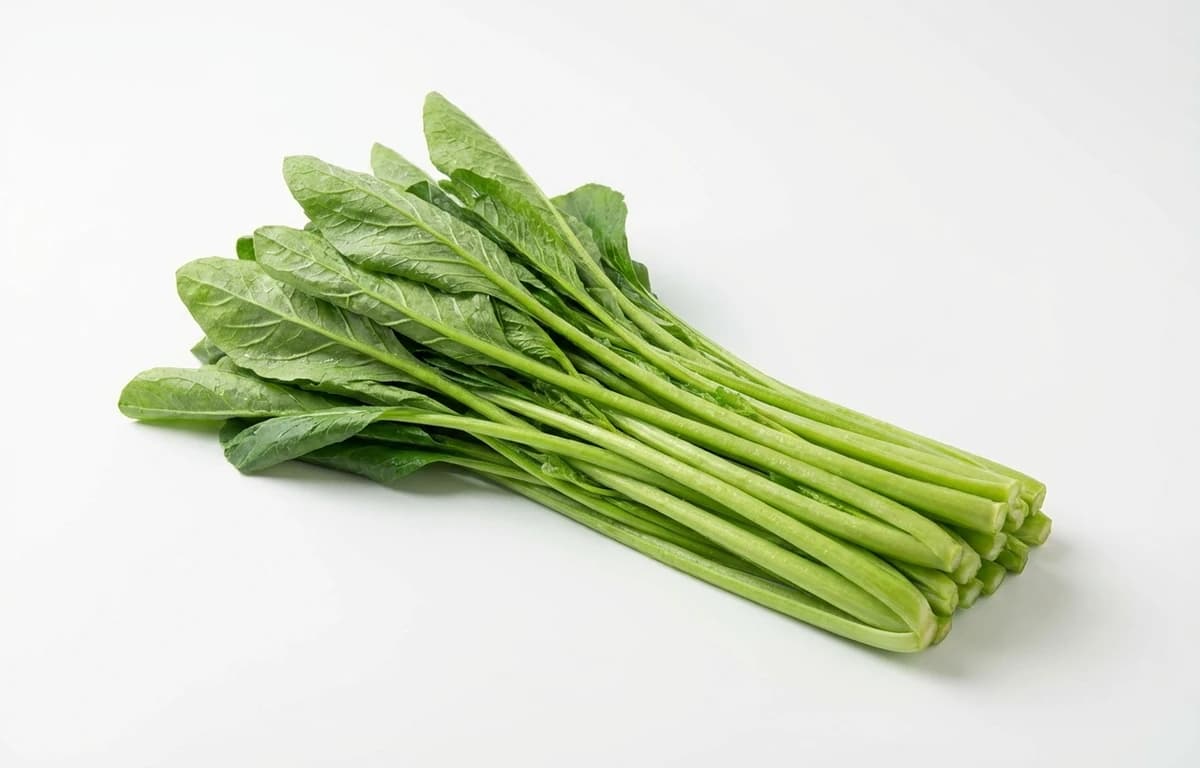
manoli
Also known as:
Loading...
Also known as:
Per 100g
Nutrition data source: USDA FoodData Central
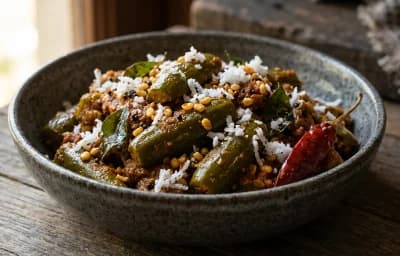
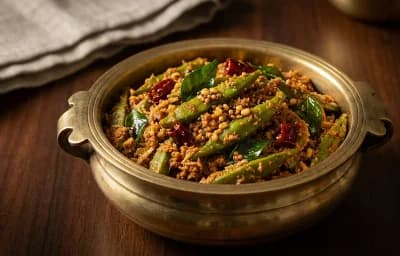
A delightful dry stir-fry from Mangalore featuring tender ivy gourd and freshly grated coconut, seasoned with a unique blend of spices. This dish offers a perfect balance of sweet, tangy, and spicy flavors.
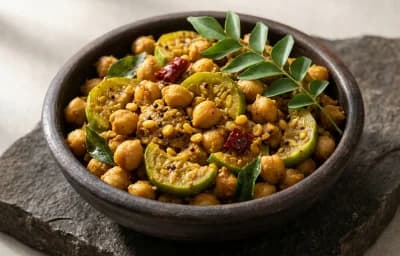
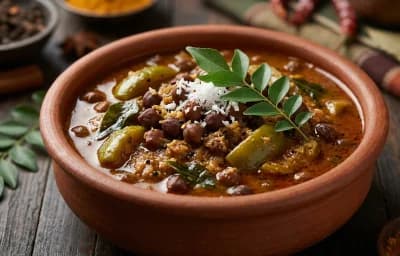
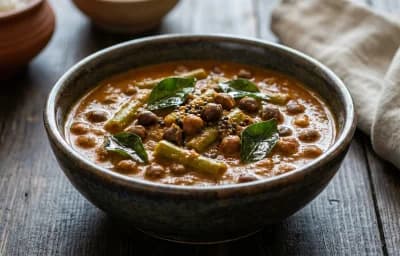
A traditional Mangalorean dry curry featuring tender ivy gourd and hearty black chickpeas tossed in a fragrant, freshly roasted coconut and spice masala. A perfect side dish that brings coastal Karnataka flavors to your table.
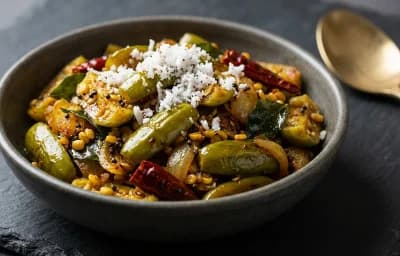
A delightful Mangalorean stir-fry featuring ivy gourd, tossed with freshly grated coconut and aromatic spices. This simple yet flavorful side dish, known locally as manoli, pairs perfectly with rice and dal.
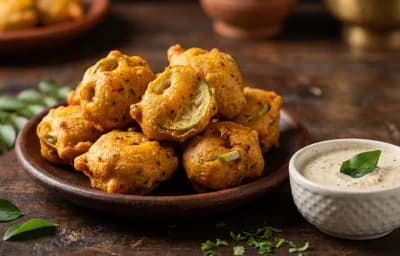
Crispy, golden-brown fritters made with tender ivy gourd dipped in a spiced chickpea flour batter. A popular and savory tea-time snack from the coastal regions of Karnataka.
Yes, manoli is very healthy. It's low in calories and fat, rich in dietary fiber, and a good source of antioxidants like beta-carotene. It also provides essential minerals like iron and potassium, supporting overall well-being.
Per 100g, manoli contains only 18 calories, 1.2g protein, 3.1g carbs, and 0.1g fat. It's particularly beneficial for its high fiber content, antioxidants, and minerals, contributing to digestive health, vision, and immune function.
Absolutely. With only 18 calories per 100g and high fiber content, manoli can promote satiety and aid in weight management. Its low-fat profile also makes it an excellent addition to a calorie-controlled diet.
Yes, manoli is highly beneficial for diabetics. It contains compounds that may help regulate blood sugar levels by mimicking insulin, making it a great choice for managing glucose levels. Its low carbohydrate content is also favorable.
Yes, manoli can be considered keto-friendly due to its very low carbohydrate content, with only 3.1g of carbs per 100g. It can be incorporated into a ketogenic diet in moderation to add nutrients and fiber without significantly impacting carb limits.
Yes, as a natural vegetable, manoli is inherently vegan and gluten-free. It is suitable for individuals following plant-based diets or those with gluten sensitivities and celiac disease.
Manoli can be cooked in various ways. It's often stir-fried, sautéed, or added to curries and stews. It can also be blanched and used in salads or steamed as a simple side dish.
manoli is a versatile ingredient found in cuisines around the world. With 18 calories per 100g and 1.2 grams of protein, it's a nutritious addition to many dishes.
Explore more ingredients in the vegetable category with complete nutrition information.
View all vegetable →Manoli typically has a mild, slightly bitter taste, often described as earthy or subtly herbaceous. Its flavor is generally not overpowering, making it versatile for absorbing other flavors in dishes.
To keep manoli fresh, store it in a perforated plastic bag in the crisper drawer of your refrigerator. It typically stays fresh for about 3-5 days. Avoid washing it until just before use to prevent spoilage.
While manoli is traditionally cooked, it can be eaten raw, especially when young and tender. However, cooking can help reduce any potential bitterness and make it easier to digest for some individuals.